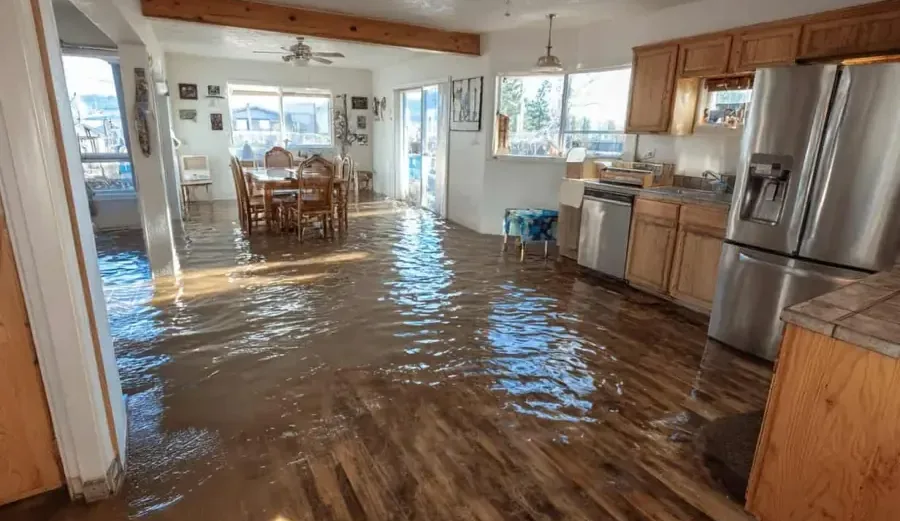
Public drainage equipment can reduce water on streets, yet it cannot describe what happened beneath a floor or inside a wall. Indoor restoration begins where the municipal drainage response ends: at the affected building materials.
Key takeaways
- Public pumps, catch basins, storm drain pipes, and tidal valves serve drainage functions outside the restoration scope.
- A parcel map identifies mapped flood exposure; an interior inspection records the water damage requiring cleanup.
- Document the exterior water route separately from moisture found inside the structure.
- Extraction removes accessible liquid while cleaning and dehumidification address contacted materials.
- Official flood information and building measurements answer different property questions.
What the public drainage facts actually say
The city maintains an extensive storm drain pipe system, 3,224 catch basins, and 86 tidal valves. The Storm Drain Maintenance Crew inspects, maintains, and repairs that system, including clearing blocked drains, removing catch basin debris, and repairing damaged pipes.
For a damaged home, the useful record begins at the opening where water entered. Photographs of deposited debris, marks on the wall, and wet flooring help connect that opening to affected rooms.
The cleanup scope then follows the observed route through the building.
- Use city facts only for public system context.
- Record property observations in a separate file.
- Avoid assigning a drain failure without confirmation.
- Do not infer parcel exposure from system totals.
Tides and street drainage are one side of the problem
The city identifies Balboa Peninsula, Balboa Island, and Newport Island as low lying areas vulnerable during unusually high tides. It also uses 18 pumps to remove standing water from streets near Newport Harbor.
Public crews may operate pumps or tidal valves as outdoor conditions change.
A property owner still needs to know whether water crossed a threshold, entered a garage, reached utilities, or moved beneath interior finishes. The local water extraction service answers those building questions through direct inspection and moisture mapping.
- Observe where water approached the structure.
- Photograph entry points and interior water marks.
- Note utilities or appliances reached by water.
- Keep outdoor and indoor findings clearly labeled.
Extraction begins with material and contamination checks
Water arriving from outside should be treated cautiously because its route may include streets, soil, debris, or waste. Before extraction, the team establishes safe access, checks electrical concerns, and keeps dry belongings away from the work path.
Surface water is only the first layer of the assessment.
Seams, cabinet bases, wall bottoms, and floor transitions can retain water after open areas are cleared. Porous materials receive close assessment for direct contact and cleanability.
Durable surfaces may remain when they can be reached, cleaned, and dried without trapping contamination.
- Control traffic between wet and dry areas.
- Remove accessible liquid from low sections.
- Check edges after the puddle is gone.
- Separate porous and durable material decisions.
Drainage maps and moisture maps serve different purposes
Official flood maps help property owners examine mapped risk. They are not a substitute for a room inspection after water enters.
Likewise, a moisture map shows current material conditions but does not redraw an official flood designation or predict a future event.
Keeping those tools separate prevents overstatement. A homeowner can consult official sources for parcel questions while a restoration crew documents the water path inside.
The structural drying service then follows readings across materials that remain after extraction and cleaning.
- Use official sources for mapped flood questions.
- Use direct readings for current building moisture.
- Do not translate one map into the other.
- Preserve both records when they are relevant.
Drying must address hidden layers
A tile face, finished wall, or cabinet door can look normal while adjacent backing materials remain damp. The crew identifies assemblies that can dry in place and areas that need selective access.
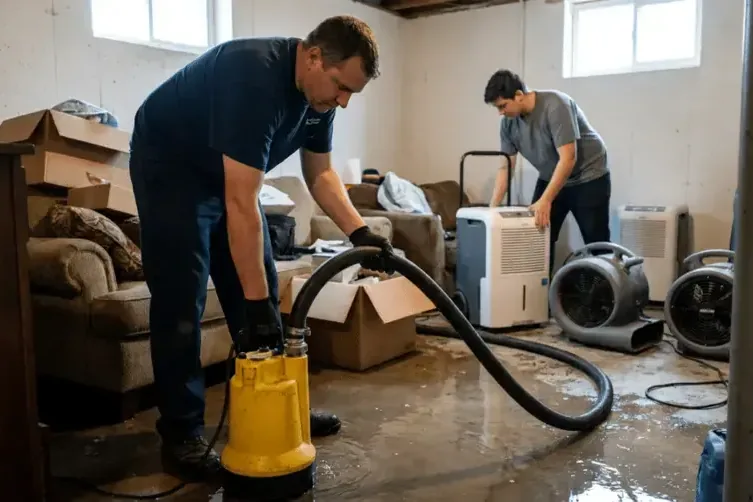
Air movement is directed toward exposed wet surfaces, and dehumidification manages moisture released into the room.
Progress is checked at stable locations so trends can be compared. If one section remains wet, technicians investigate blocked airflow, trapped layers, or additional removal needs.
Completion follows final comparisons rather than a fixed schedule tied to the outdoor water level.
- Mark floor and wall monitoring locations.
- Open trapped sections only when findings justify it.
- Move equipment toward slower drying materials.
- Document the final condition of retained assemblies.
Use infrastructure context without making a claim
Upper Newport Bay, San Diego Creek, Newport Harbor, and the Pacific Ocean are part of the city’s water setting. At a flooded property, the inspection starts closer to home: door thresholds, exterior openings, deposited debris, and the rooms reached by water.
The main extraction service provides general information about removal and drying, while the local service addresses city specific context. A property record remains strongest when it states what was seen, measured, cleaned, removed, and dried with photographs and measurements tied to each affected room.
- Identify the opening where water entered the building.
- Connect facts to context rather than causation.
- Base the indoor scope on measured conditions.
- Keep repair and mitigation roles distinct.
Questions to ask after public water recedes
When street water falls, a property owner can focus on direct building questions. Did water cross an opening, touch an electrical component, enter a cabinet, or move under continuous flooring?
Did debris remain at a threshold or floor drain? Each answer points to an inspection need without claiming why the public drainage system behaved as it did.
Owners can also record which public notices or official map documents they consulted. Those materials belong beside, rather than inside, the restoration scope.
A dated inspection record helps the owner track cleaning, removal, and drying choices alongside the conditions found in each room.
The same separation helps during insurance discussions. Public system documents can establish the broader event context, while photographs and moisture logs establish the interior loss.
The carrier can then evaluate the policy using records that identify their source and purpose. Neither set of documents needs speculation about a catch basin, pump, or tidal valve serving the property.
- List every exterior opening that received water.
- Check utilities before using affected rooms.
- Save public notices as separate context.
- Tie restoration choices to indoor evidence.
Questions
What does a tidal valve do for an individual home?
Tidal valves are part of the city storm drain system. A homeowner checking exposure can consult the official parcel map. After water enters, inspection of the entry point and affected rooms determines the cleanup work.
Can a storm drain map replace an indoor inspection?
No. Public drainage information describes infrastructure. Indoor inspection identifies current water entry, contamination, affected materials, and moisture that may be hidden beneath finishes.
Why treat outside water cautiously?
Its route can include streets, soil, debris, and other contaminants. Cleanup planning considers where the water traveled and which porous or durable materials received contact.
When does structural drying begin?
After accessible liquid, debris, and cleaning needs are addressed, the drying setup targets retained wet materials. Repeated readings direct equipment changes and completion.
Where should a property owner check flood risk?
Official flood information should be used for parcel questions. A restoration company can document current damage but should not assign or interpret an unverified flood designation.