Water Damage Restoration South Gate, CA
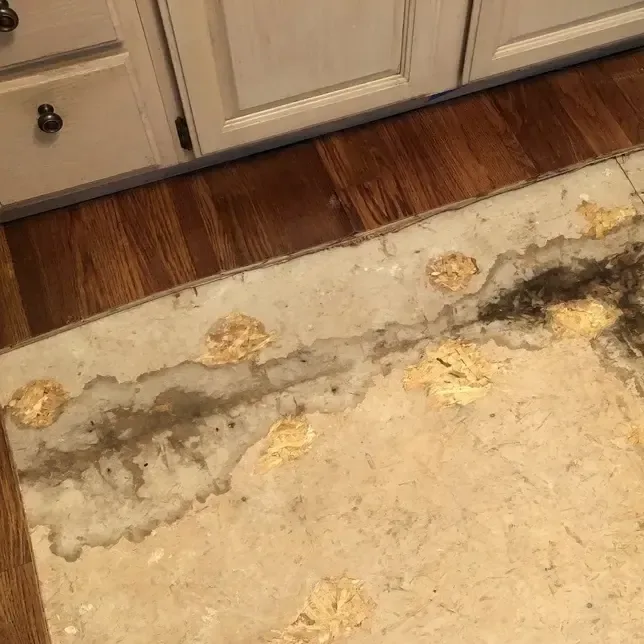
A wet floor can hide moisture under cabinets, inside wall bases, and between finish layers that still look dry from the doorway.
(888) 563-9619Request a moisture assessmentThe restoration team traces the source, maps affected materials, and documents drying progress from the first inspection through final readings.
Protect people and preserve useful evidence
- 1
Avoid immediate hazards
Keep people away from sagging ceilings, wet electrical components, sewage, and slippery walking surfaces until those conditions are assessed.
- 2
Stop safe water sources
Close an accessible valve or stop the contributing appliance only when the route avoids water, damaged wiring, and unstable materials.
- 3
Photograph the path
Capture the source, visible water, damaged finishes, and affected belongings before moving items that can safely remain in place.
- 4
Separate dry contents
Move unaffected belongings to a protected location without dragging them through sewage, debris, or the damaged section.
- 5
Record what happened
Note when the problem was found, which rooms changed, and any source repair already completed for the inspection record.
Help for leaks, backups, and storm water
Each service addresses a different source and contamination level while keeping moisture measurement and material condition central to the work.
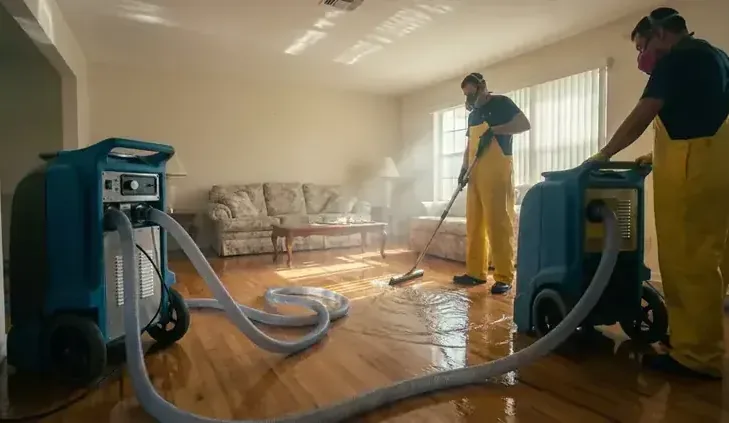 Water Extraction and RemovalRemoving puddles leaves the next question: which floor edges and wall bases are still wet? Meter readings set the drying boundary.View service
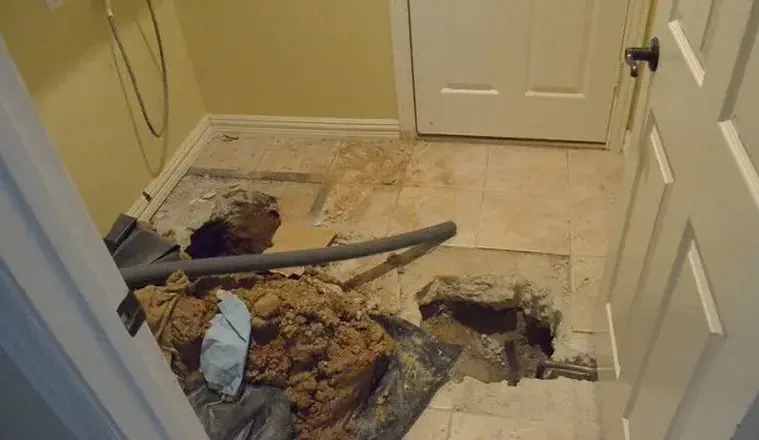 Slab Leak Water DamageDamp flooring over concrete calls for a traceable moisture map. Access decisions depend on the affected room, not a citywide pipe assumption.View service
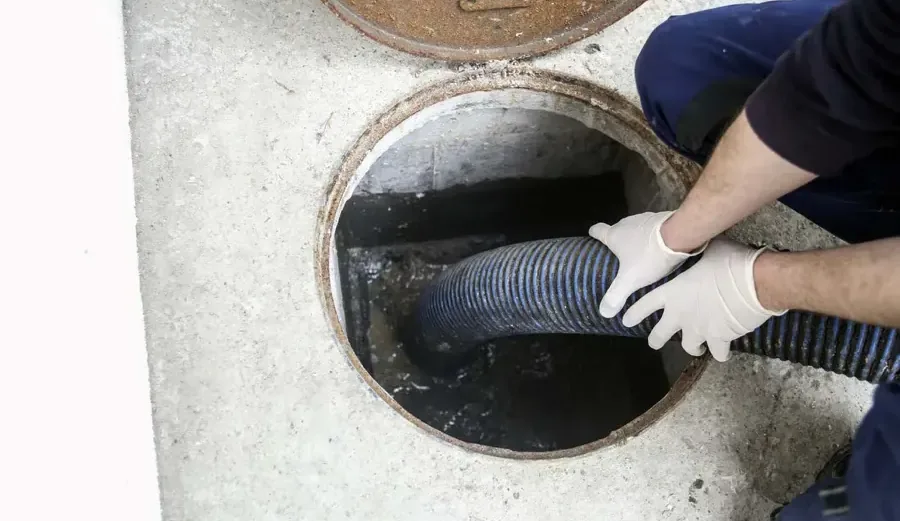 Sewage Backup CleanupSewer discharge changes how belongings and building materials are handled. Containment keeps the affected zone apart from clean rooms.View service
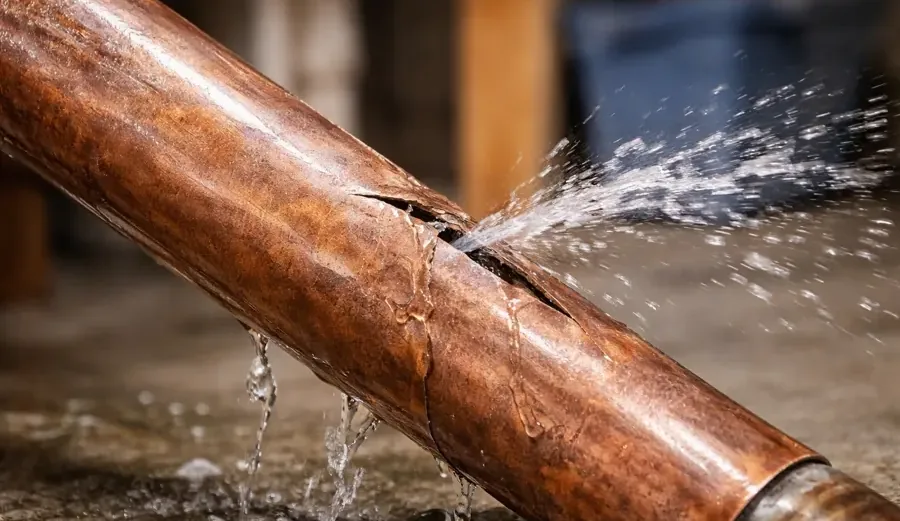 Burst and Pinhole Pipe LeaksA supply failure can send water through several rooms before shutoff. The first inspection follows that route beyond the broken fitting.View service
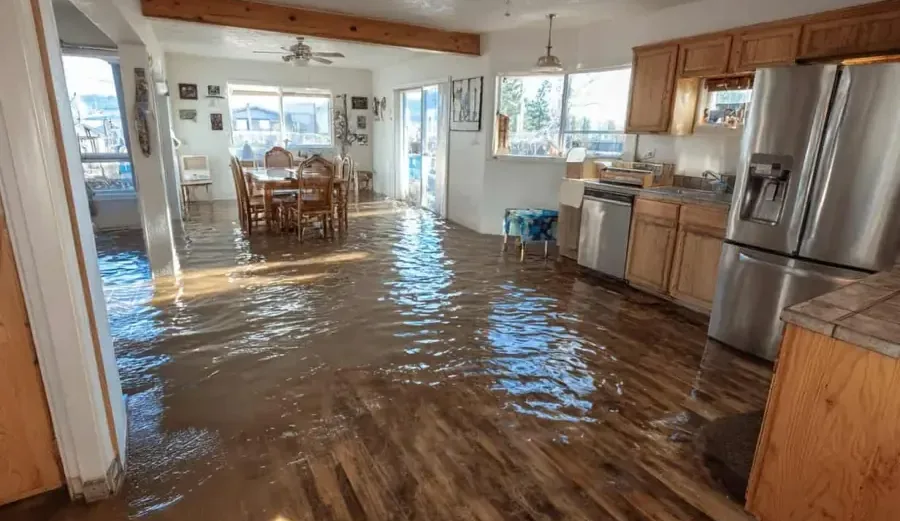 Storm and Flood CleanupThe Los Angeles River provides drainage context for South Gate; the cleanup scope still comes from the actual entry route and affected materials.View service
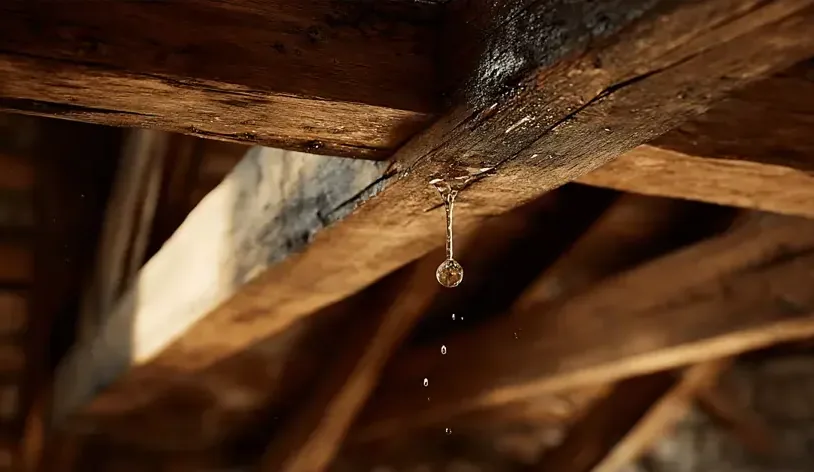 Roof Leak Water DamageAn interior drip may sit away from the roof opening. Checks along the overhead water path help locate damp framing and insulation.View service
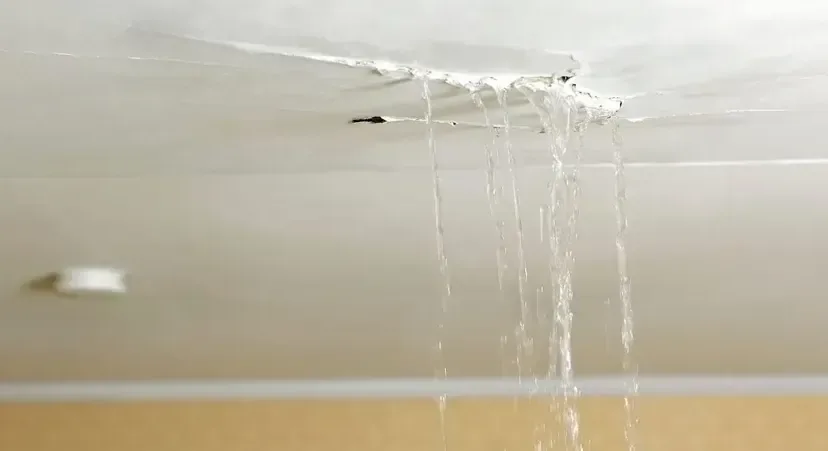
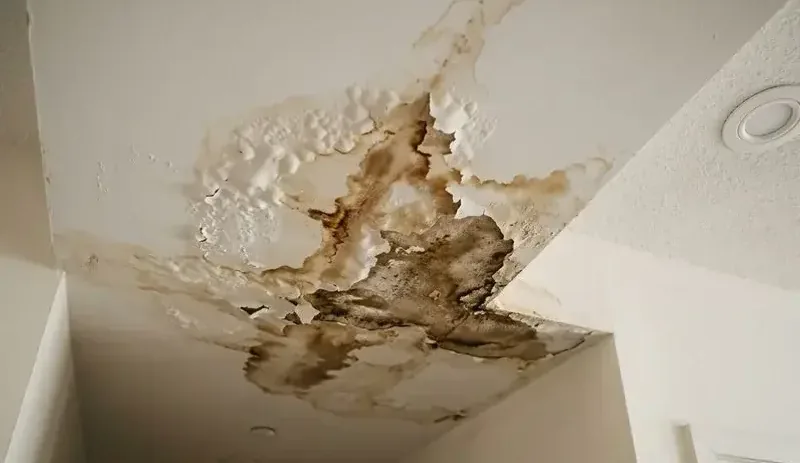 Ceiling Leak Water DamageWet material above an occupied room needs a safe assessment before access. The stain alone cannot show the full overhead loss.View service
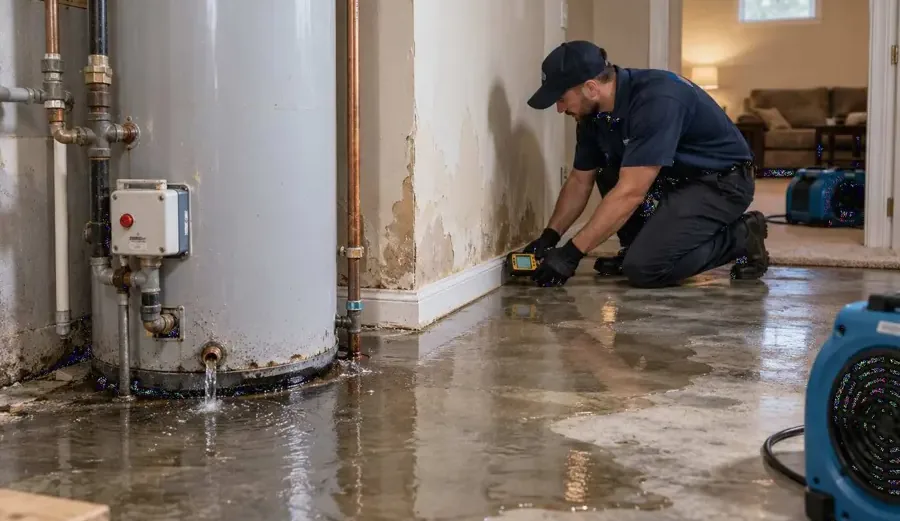 Water Heater Leak CleanupAfter qualified shutoff, readings around the heater base and adjoining finishes establish whether cleanup extends beyond the utility space.View service
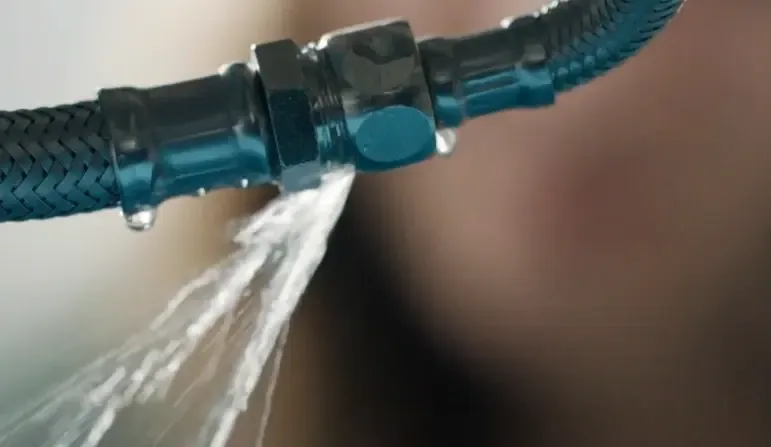 Appliance and Supply Hose LeaksA washer or dishwasher release may reach an adjoining unit. Room-by-room records help separate equipment repair from building cleanup.View service
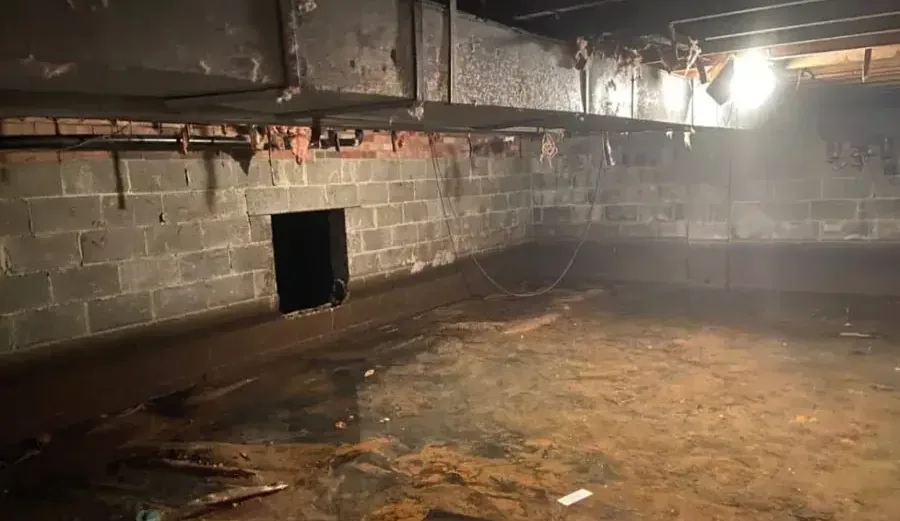 Crawl Space Water RemovalFor properties with underfloor access, the inspection checks entry hazards and standing water before equipment goes beneath the building.View service
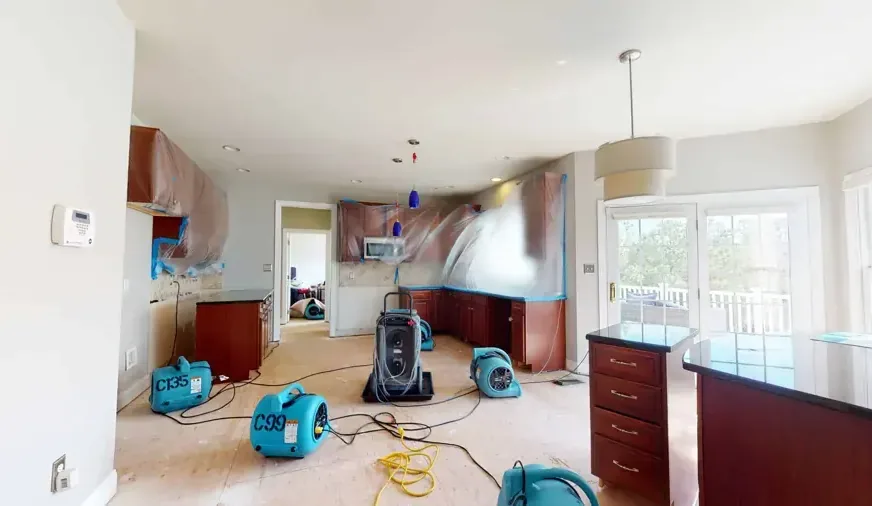 Structural Drying and DehumidificationEach wet assembly needs a suitable dry comparison. Monitoring notes explain why equipment stays, moves or comes out.View service
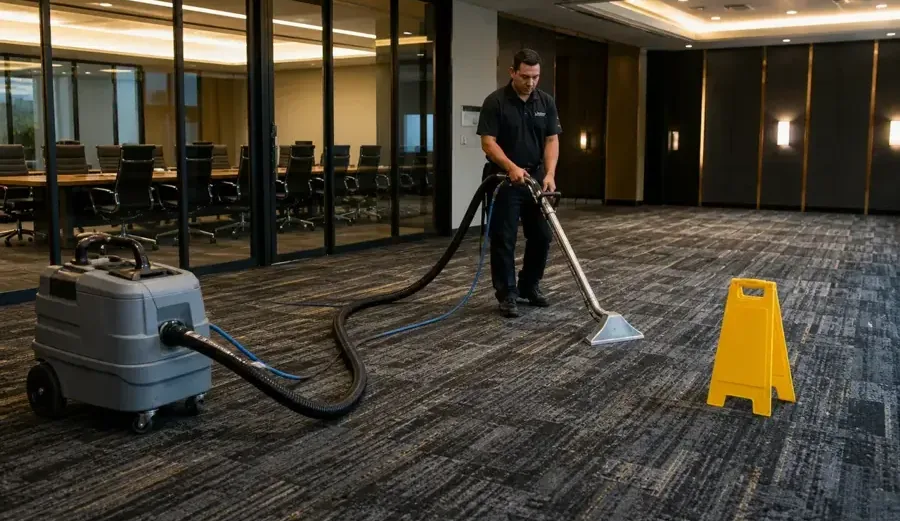 Commercial Water DamageTweedy Mile businesses need a work plan that identifies wet stock, equipment access and rooms that can remain separate from cleanup.View service
Decisions follow the materials that are wet
Visible water is only one part of the loss. The team compares surfaces, concealed cavities, and adjoining rooms so removal and drying decisions stay tied to observed property conditions.
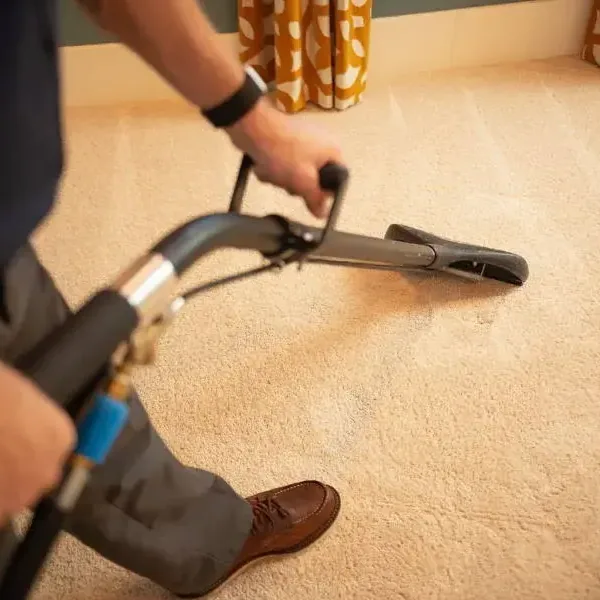
Source and route first
The inspection begins at the origin, then follows seams, connected cavities, and low points to trace the supported water path.
Materials assessed separately
Drywall, framing, cabinets, concrete, and layered floors release moisture differently, so the assembly receives its own drying method and comparison.
Progress shown in readings
Marked monitoring locations show change over time and support equipment adjustments when one material responds differently from another.
Records for later decisions
Photographs, moisture notes, cleaning details, and comparisons create an account for owners, managers, and insurance discussions.
The source changes the cleanup plan
Clean supply water
A supply leak may allow more materials to remain when they are sound, accessible, and responding to controlled drying.
Explore extraction serviceUsed appliance water
Discharge from an appliance may contain food residue, detergent, or other soil and needs cleaning matched to contacted surfaces.
Explore appliance cleanupSewage or outside water
Drain backups and exterior water require separation, protective handling, and removal of porous materials that cannot be safely restored.
See sewage cleanupWhat shapes the cost of water damage work?
The source, contamination, number of affected rooms, material layers, access, and drying time all shape cost. A property inspection defines what can remain and what needs controlled removal.
Contained clean-liquid event
$1,200 to $3,500
- Limited clean water
- Direct material access
- Focused drying
Multi-zone dehumidification
$3,500 to $7,500
- Several wet rooms
- Layered materials
- Repeat monitoring
Contaminated or complex event
$7,500 to $12,000+
- Contaminated water
- Selective removal
- Access coordination
Published ranges help with early planning. The property inspection and authorized scope determine the actual restoration price for a specific loss.
Drying ends when the readings support it
Extraction reduces the water load, but absorbed moisture still needs managed airflow and dehumidification. Repeat checks show whether hidden areas are improving with exposed surfaces.
- 1
Map
Inspect the source area and adjoining assemblies, then mark the locations that need repeat measurements during the drying period.
- 2
Remove
Extract accessible water and take out materials that contamination, damage, or poor access prevents from being restored in place.
- 3
Dry
Place air movement and dehumidification around the actual wet materials while protecting rooms outside the established work zone.
- 4
Confirm
Compare the marked locations with suitable dry references and record the results before the drying setup is removed.
Keep the loss record organized
The insurance carrier decides coverage, while restoration records explain the observed property conditions and authorized mitigation work.
- Notes about the source and discovery time
- Wide and close photographs of affected rooms
- Initial readings at mapped material locations
- Records of cleaning and selective removal
- Final readings compared with dry materials
What the property owner can keep
Save photographs taken before cleanup, receipts for protection, source repair paperwork, and messages about the claim or authorized work.
Ask the carrier how the policy addresses the cause, deductible, damaged contents, temporary protection, and reconstruction after materials reach the drying goal.
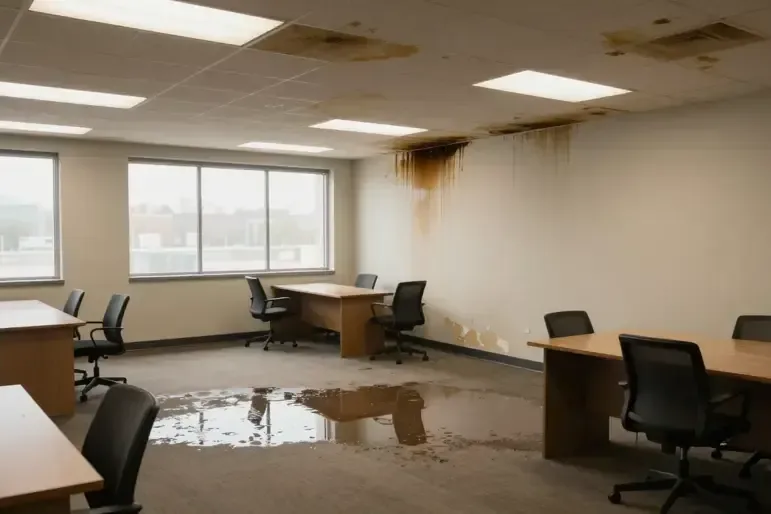
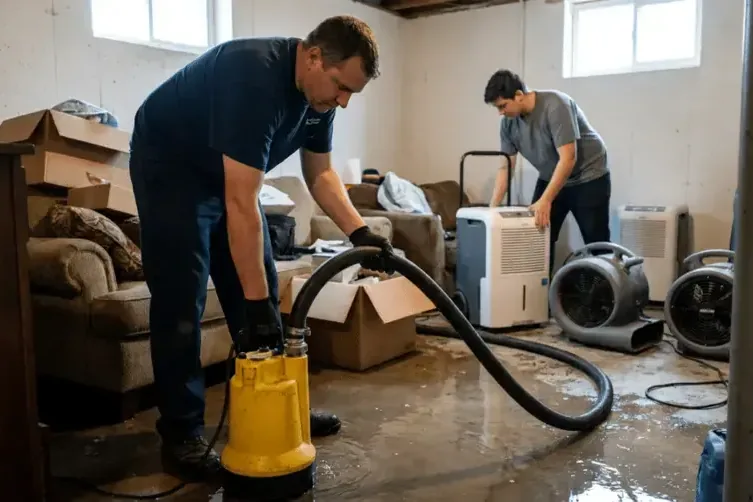
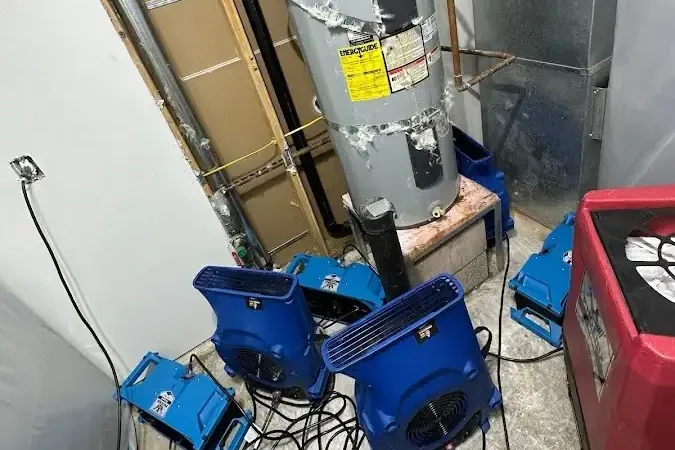
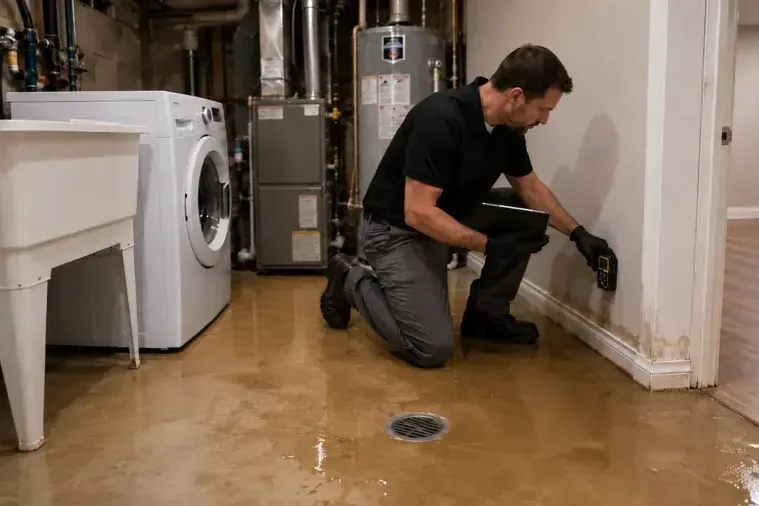
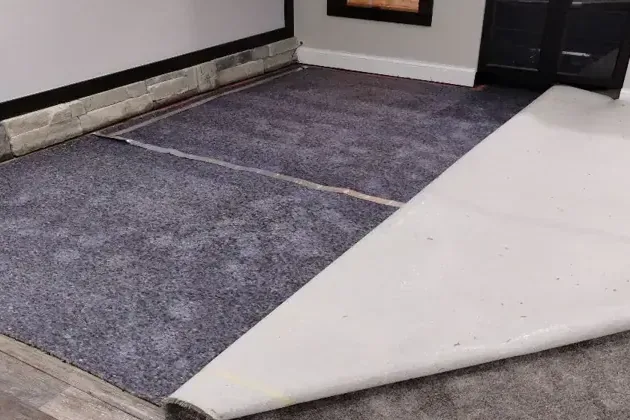
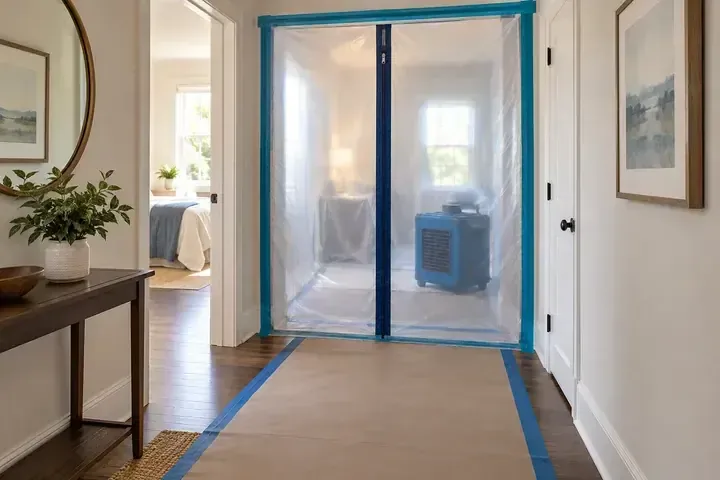
Scenes from extraction and structural drying
Restoration service across South Gate
Areas and local corridors
ZIP served
Nearby service areas
Describe the source and rooms involved
Service covers homes and businesses around Tweedy Mile, the Los Angeles River, Imperial Highway, and residential streets between those named areas.
Use the service area overview for additional locations or visit the main restoration page for extraction, cleanup, drying, and documentation details.
South Gate, CA · [email protected]
Building use affects water response
South Gate includes homes, rental properties, mixed use zones, and business corridors, so access, occupants, shared assemblies, material layers, and operating needs can change the restoration sequence.
Property specific assessment A property inspection and current official information should determine flood exposure rather than assumptions based only on a nearby river or roadway.
- 01Shared walls and floors Water can pass through connected cavities or beneath continuous flooring before a neighboring room shows a stain or surface change.
- 02Mixed use settings The Tweedy Boulevard Specific Plan includes mixed use and Industrial Flex zones, where access and operating schedules may shape mitigation planning.
- 03Rental documentation The Census recorded both owner occupied and renter occupied homes, making clear condition records useful when several parties coordinate the work.
- 04Drain obstructions Municipal code restricts solids, grease, oil, tar, and chemicals that can obstruct sewers, underscoring the need to identify backup material before cleanup.
- 05Layered materials Cabinets, wall bases, floor coverings, and concrete can retain different amounts of moisture even when the visible puddle has already disappeared.
Water damage questions
Unsure which service fits?
Describe the source, visible path, affected rooms, and any immediate safety concern so the first inspection can focus on useful priorities.
(888) 563-9619(888) 563-9619Explain what happenedWhat should be reported first?
Start with the known source, when the water was discovered, rooms with visible changes, standing water, odors, and any sagging ceiling or electrical concern. The inspection then confirms the actual boundary.
Why inspect beyond the puddle?
Water follows seams, wall cavities, low points, and absorbent materials. A dry looking doorway or floor edge may still border moisture beneath the finish, so adjacent areas need comparison readings.
Can drying begin while a leak continues?
The source must be controlled for drying to succeed. Safe extraction and protection may begin during repair coordination, but repeated wetting prevents reliable progress and can expand the affected area.
Does every damp wall need to be removed?
No. Contamination, material condition, access, and measurement trends determine that decision. Sound material may remain when it can be cleaned, dried, and verified without trapping moisture.
How is sewage handled differently?
The work area is separated, porous materials that cannot be safely cleaned are removed, and remaining surfaces receive appropriate cleaning. People and unaffected contents stay outside the controlled zone.
What happens to wet belongings?
Items are photographed and sorted by material, exposure, and condition. Restorable contents can be moved to a protected space, while disposal decisions should be documented before damaged items leave.
How long does structural drying take?
Duration depends on the water load, affected materials, access, weather conditions, and whether the source stays controlled. Repeat readings provide a better basis than a fixed calendar promise.
What records support an insurance discussion?
Useful records include source notes, photographs, moisture maps, authorized removal, cleaning details, equipment logs, and final comparisons. The carrier applies policy terms and makes the coverage decision.
When is equipment ready to leave?
The crew checks marked locations against appropriate dry materials and reviews the trend across the drying period. Normal appearance alone does not show whether concealed layers have reached the target.
Start with the source and the full moisture path
A documented assessment can turn a confusing wet area into a practical extraction, cleaning, and drying plan.
(888) 563-9619Request a property assessment