Water Damage Restoration Bell, CA
Water inside a Bell home, rental or business can cross several finishes before anyone sees the full extent. A response starts by locating the source and wet perimeter.
(888) 563-9619Define the affected spaceThe work record follows conditions from the first photographs through extraction, cleaning, equipment changes and final material comparisons.
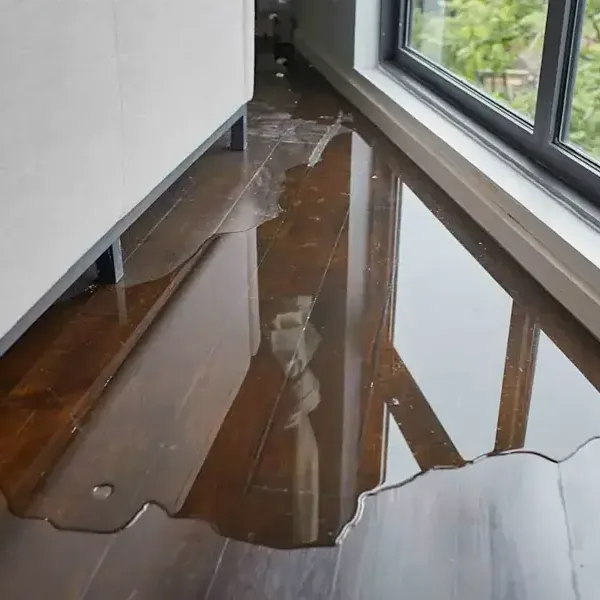
Safe first actions after water appears
- 1
Pause the source
Use a familiar shutoff only from a dry route, and leave uncertain controls or damaged equipment for the proper service trade.
- 2
Close unsafe rooms
Keep people away from sewage, wet electricity, unstable ceilings and flooring that no longer feels secure.
- 3
Photograph the route
Capture the source area, water marks and affected contents before pumps, movement or finish removal changes the evidence.
- 4
Create a clean holding area
Place unaffected belongings beyond equipment paths and keep wet debris from crossing into rooms that stayed dry.
- 5
Prepare a short account
Note when the water appeared, spaces reached and any source repair already completed for the inspection record.
Restoration services matched to the water source
Every source creates a different restoration problem. The building assessment connects water condition, material access and removal choices before a drying plan is established.
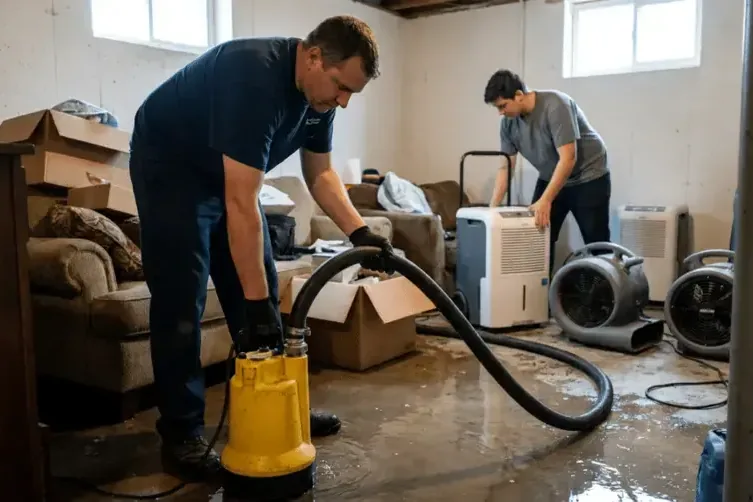
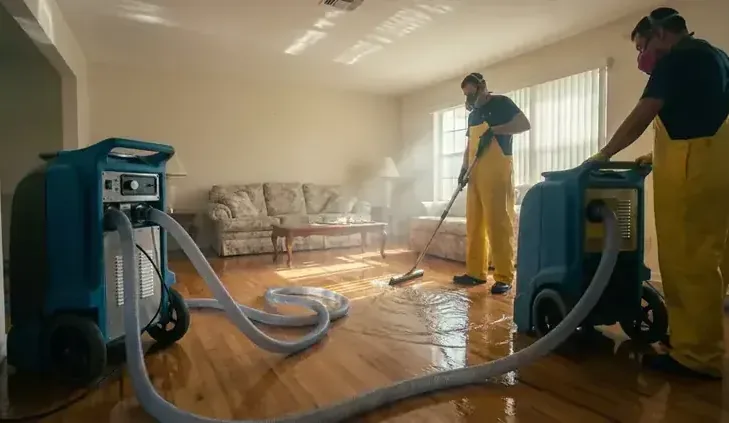 Water Extraction and RemovalPooled water is removed with equipment selected for the depth and surface, followed by checks at room edges where moisture can remain concealed.View service
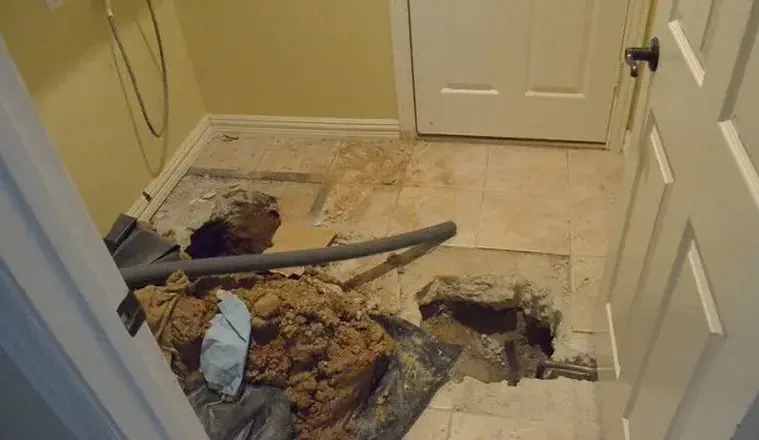 Slab Leak Water DamageDamp flooring near a slab is mapped before openings are planned, keeping the restoration scope tied to the confirmed pipe route and affected finishes.View service
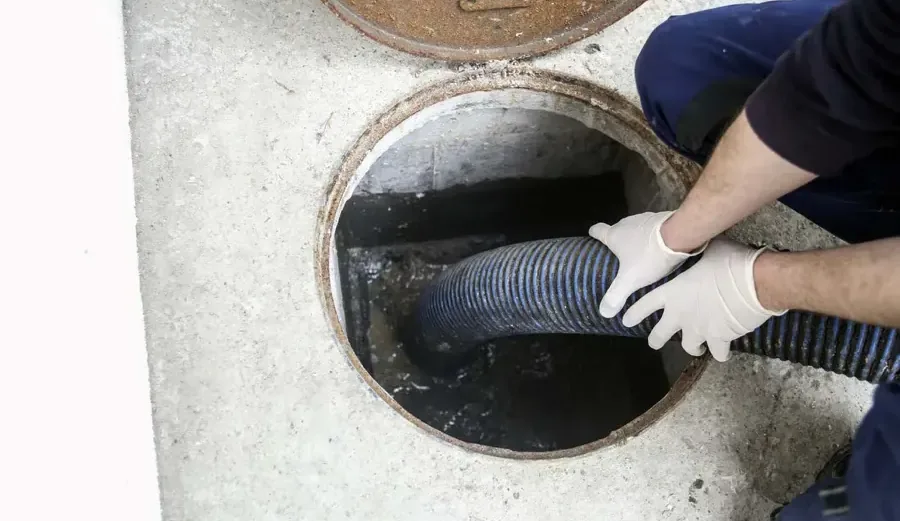 Sewage Backup CleanupSewage work separates occupants from contamination, controls dirty debris, cleans durable surfaces and records when the structure reaches a dry condition.View service
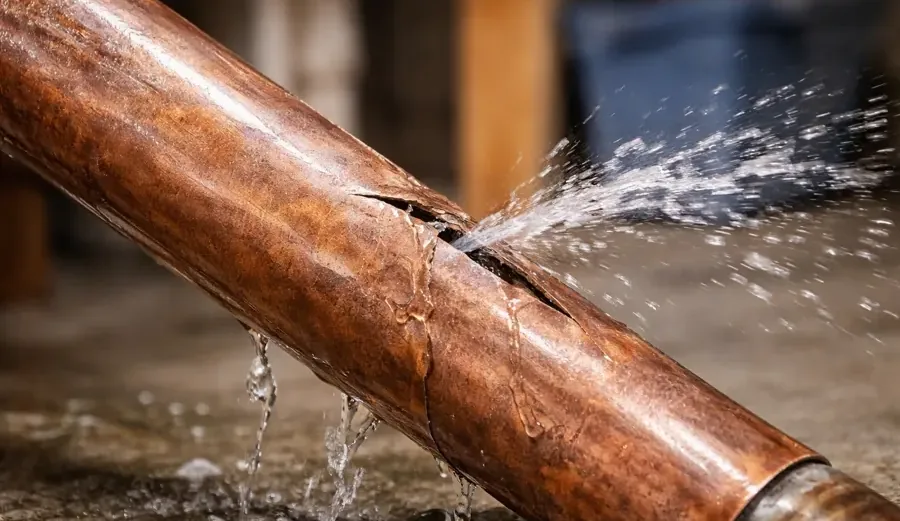 Burst and Pinhole Pipe LeaksAfter safe shutoff and pipe repair, the water path is followed through walls, cabinets and continuous flooring rather than stopping at the break.View service
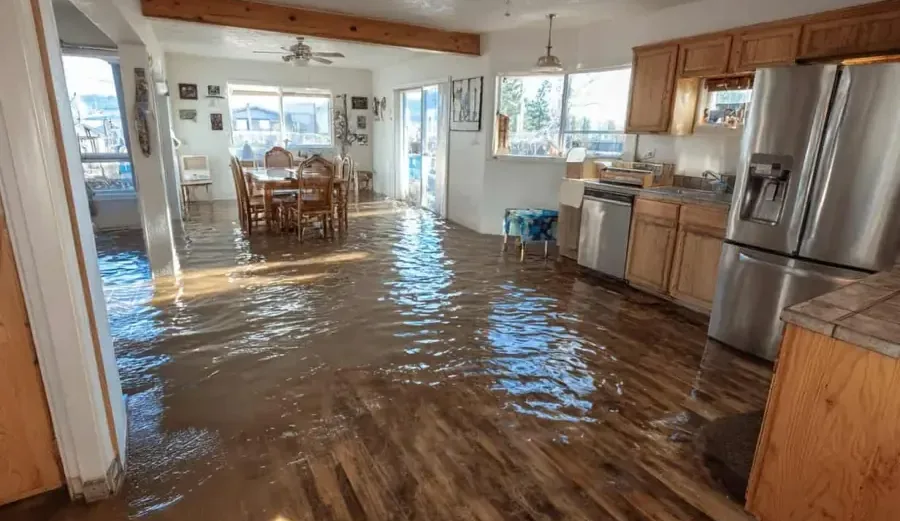 Storm and Flood CleanupRainwater entry is assessed by its route and contacts, while any parcel flood conclusion remains dependent on verified official information.View service
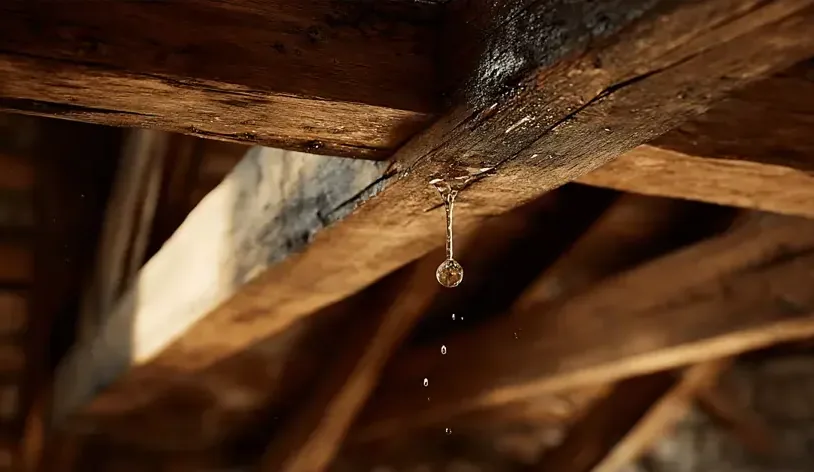 Roof Leak Water DamageInterior roof leak work tracks damp ceilings, insulation and upper walls after temporary exterior protection prevents additional rain from entering.View service
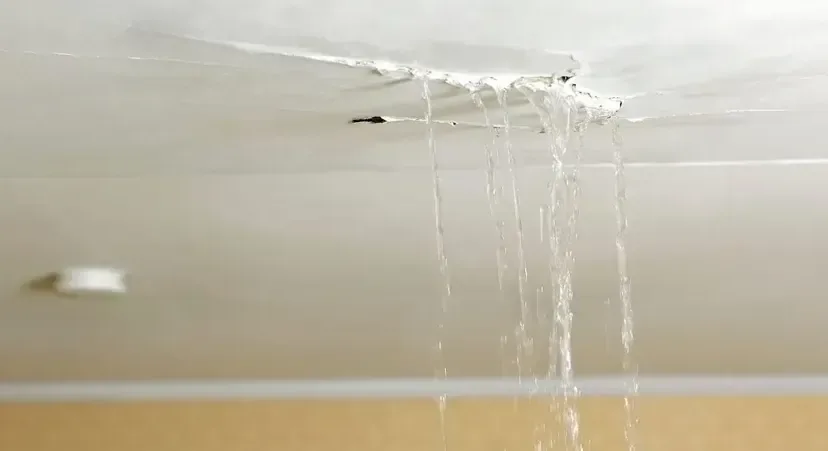
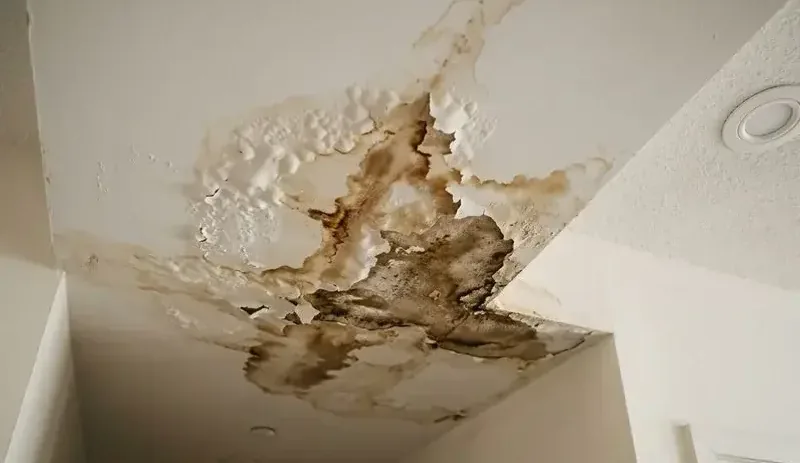 Ceiling Leak Water DamageAn overhead stain is checked beyond its visible border, with the room below protected while unstable finish and hidden moisture are addressed.View service
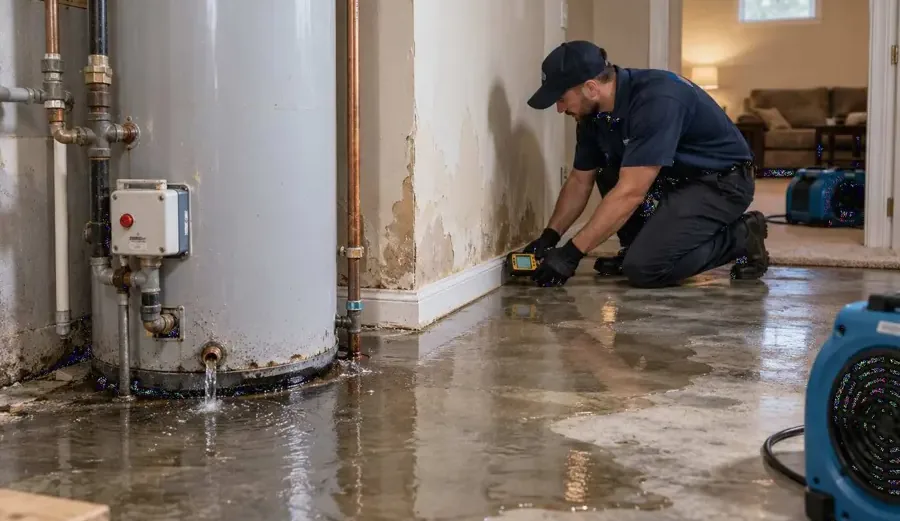 Water Heater Leak CleanupWater around a tank may reach storage, wall bases and a neighboring room, so cleanup extends beyond the equipment footprint when readings support it.View service
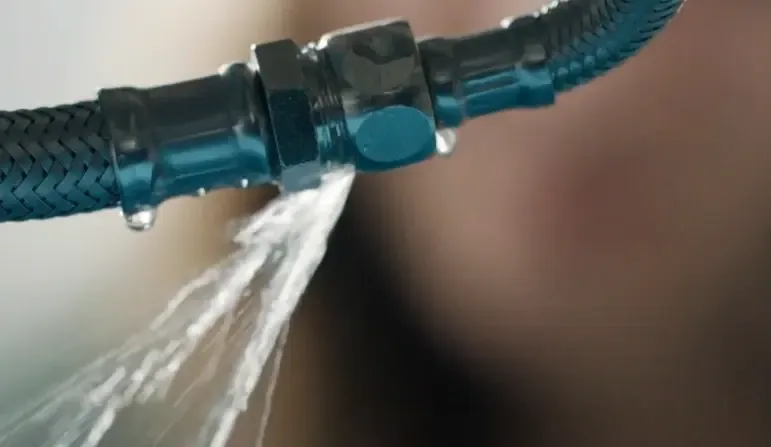 Appliance and Supply Hose LeaksHose, drain and appliance releases are traced beneath cabinets and floor seams before drying equipment is placed around the wet assembly.View service
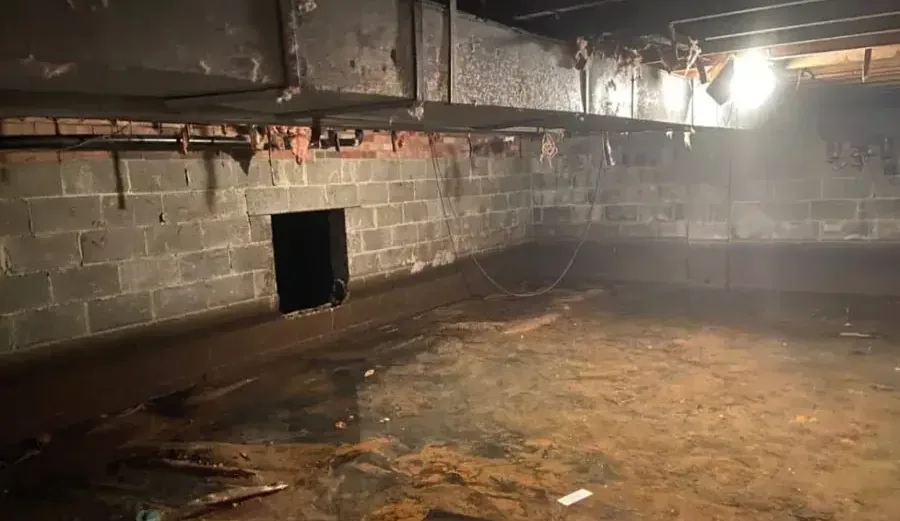 Crawl Space Water RemovalFor buildings that actually have below floor access, standing water and damp supports are evaluated with attention to entry hazards and contamination.View service
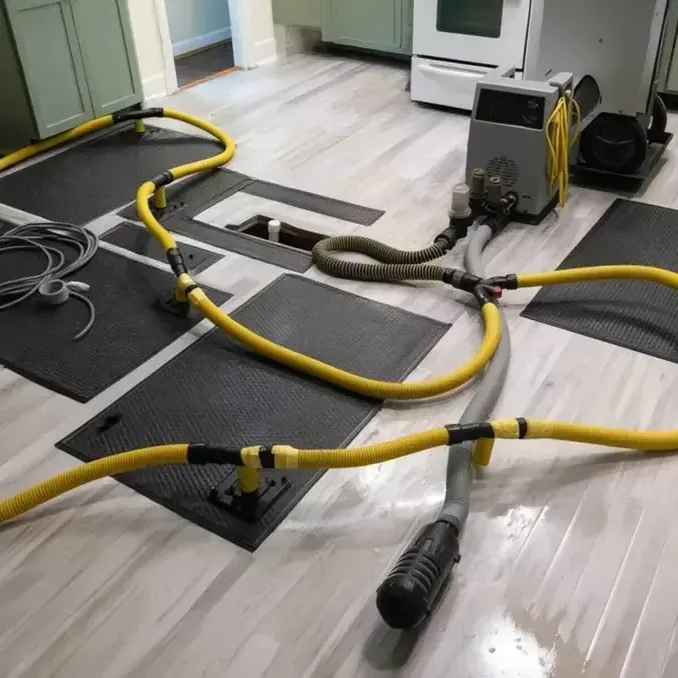
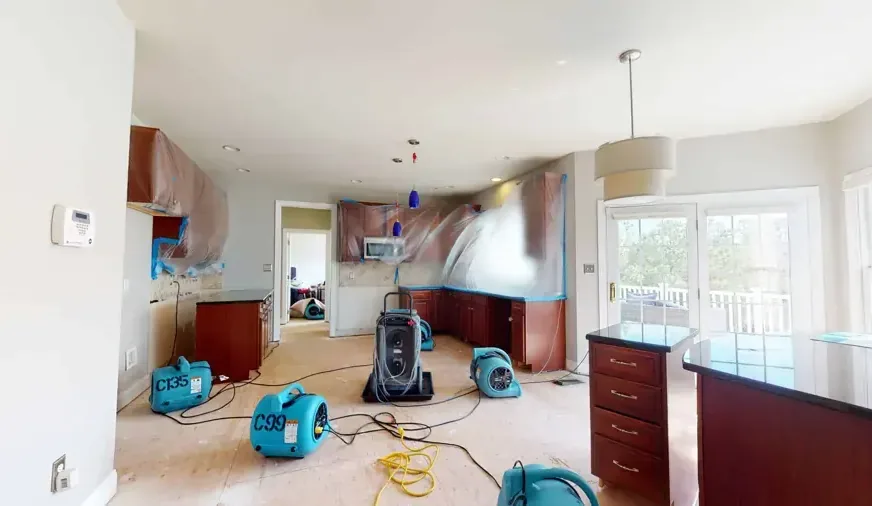 Structural Drying and DehumidificationAir movement and vapor removal are adjusted from repeated measurements, allowing each tracked wall, floor or framing area to show its own progress.View service
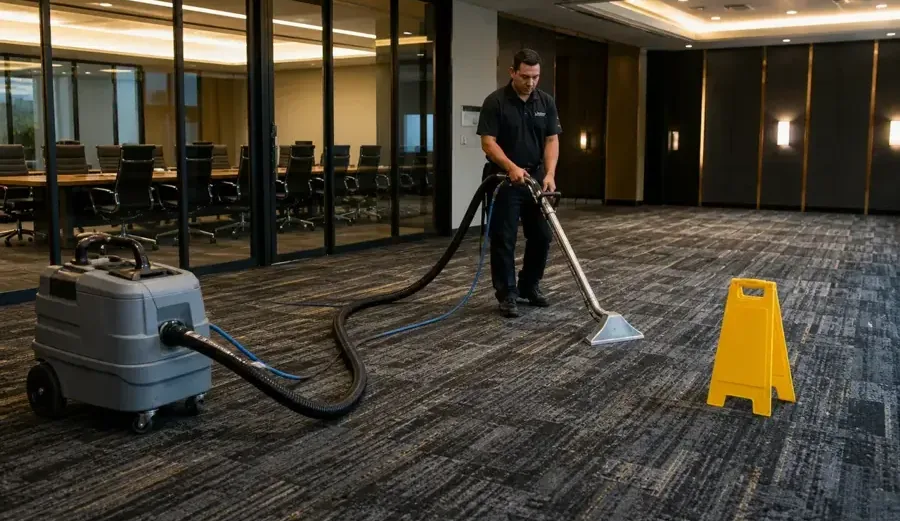 Commercial Water DamageBusiness response uses defined work zones, clean access routes and separate progress records so completed spaces stay apart from active mitigation.View service
A room assessment that follows moisture
A building specific response looks beyond the first wet surface. Technicians mark connected materials, plan safe access around occupants and revise the equipment arrangement as individual areas change.
Begin with source evidence
Observed flow, staining and repair findings establish the likely origin before removal or drying decisions expand.
Test the hidden perimeter
Floor edges, wall bottoms and neighboring spaces receive readings where the water route suggests concealed absorption.
Organize occupied space
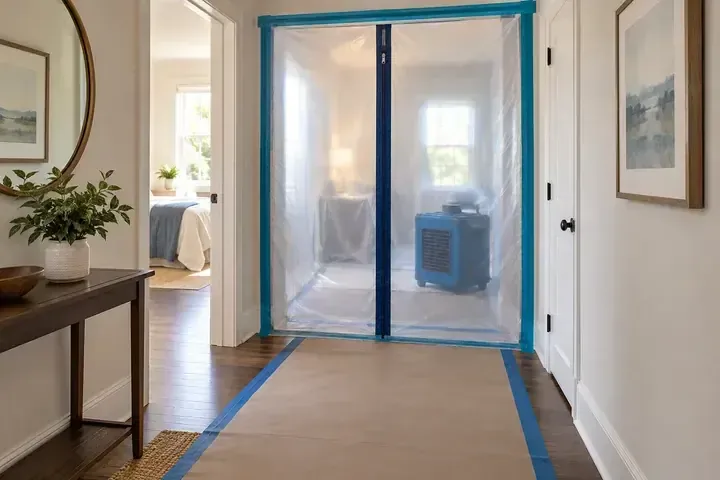
Containment and cord paths protect available rooms while keeping wet debris and active equipment inside the work boundary.
Close with comparisons
Final measurements at marked materials are judged beside suitable dry references and recorded with completion photographs.
Cleaning depends on what the water contacted
Supply releases
A failed pipe may start with sanitary water, yet contacted materials still determine cleaning needs.
Explore water removalAppliance discharges
Used wash water and leaking connections can reach concealed cabinet bases and floor layers.
Review appliance lossesSewage contact
Contaminated rooms need restricted access, controlled removal and cleaning before drying begins.
Understand backup cleanupWhat affects restoration cost in Bell?
Restoration costs reflect affected materials, water condition, concealed access and drying needs. The inspection separates extraction, cleaning and retained material recovery from source repair and later finish replacement.
Contained room wetting
$1,200 to $3,500
- Accessible water
- Limited finishes
- Targeted monitoring
Connected room damage
$3,500 to $7,500
- Expanded moisture mapping
- Additional equipment
- Material access
Complex contaminated loss
$7,500 to $12,000+
- Controlled removals
- Cleaning requirements
- Separate work zones
These figures are planning ranges. The property assessment identifies actual materials, access limitations and cleaning requirements before the authorized restoration scope is established.
A dry room needs more than appearance
Drying decisions depend on repeat readings within affected materials. The team adjusts access and equipment when a wall, floor layer or framing section needs a different approach.
- 1
Establish the boundary
Locate the source and mark affected materials before removal alters the visible water route.
- 2
Reduce the wet load
Recover accessible water and identify finishes that cannot remain in their current condition.
- 3
Manage retained moisture
Arrange airflow and dehumidification around accessible wet components while tracking individual material progress.
- 4
Record the outcome
Compare final measurements at marked points and describe any remaining repair or access limitation.
Separate observations, work and policy decisions
Owners receive documentation of the observed damage and authorized restoration. Insurance coverage remains a decision under the applicable policy.
- Arrival photographs showing rooms and contents
- Source status and reported discovery details
- Named locations for material moisture readings
- Descriptions of removed and retained finishes
- Completion comparisons with remaining repair needs
Preserve the initial information
Safe photographs, repair receipts and the discovery timeline can help connect the initial condition with subsequent work.
Property contacts should keep authorization records and identify any insurer requests before disposal or reconstruction changes the scene.
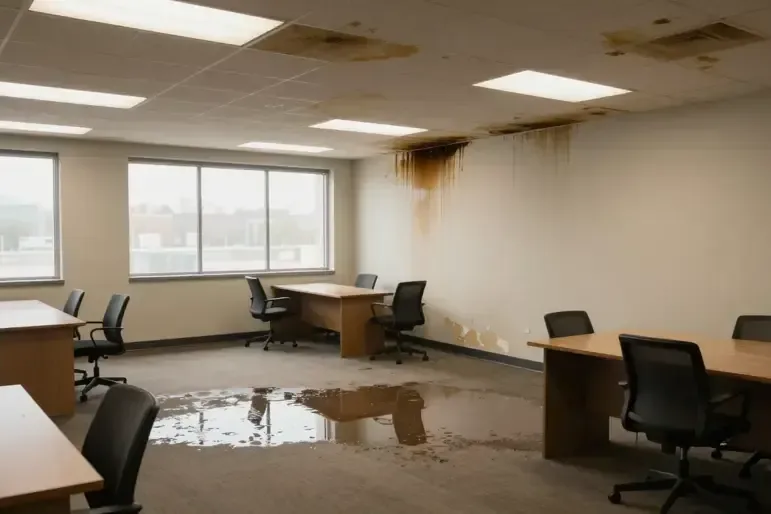
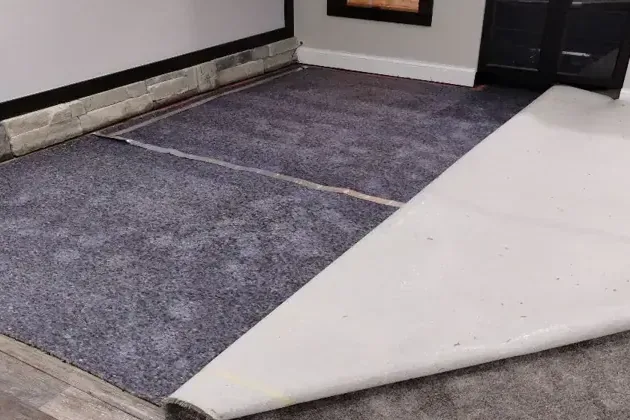
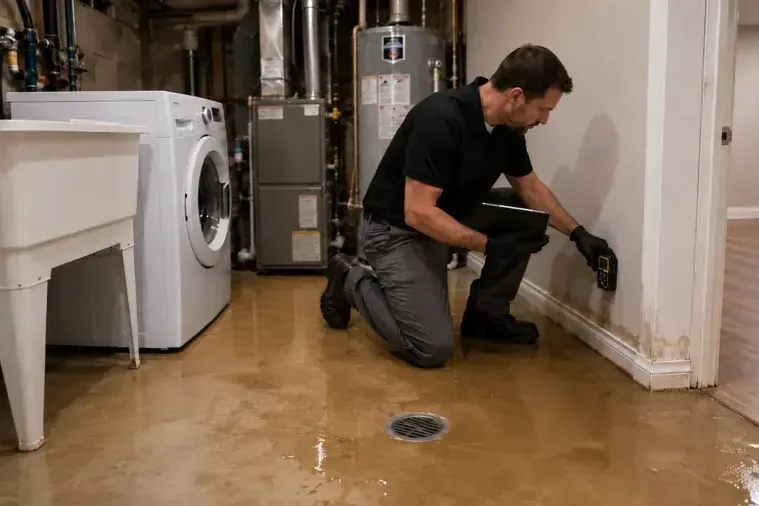
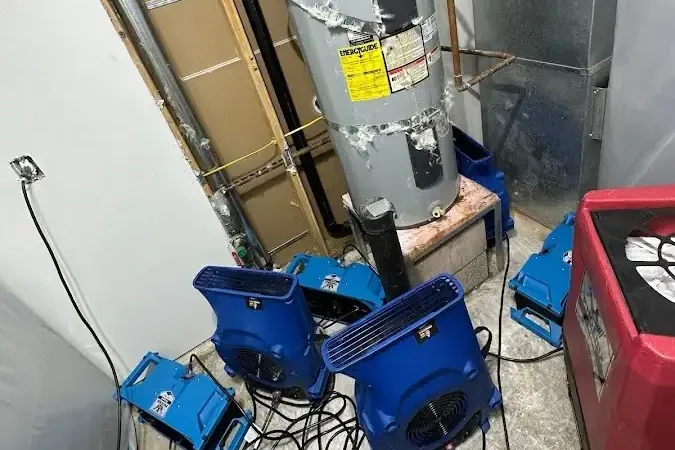
Examples of water removal and material access
Property assessments across the service area
Landmarks and geographic context
Service ZIP
Other service hubs
Start with the source and affected rooms
Service includes properties around Bell City Hall, Bell High School and Bell Community Center. Each building receives its own moisture assessment.
Explore source specific restoration and the service area overview for related cleanup options.
Bell, CA · [email protected]
Water paths need individual inspection
The city has a substantial rental population, making connected unit checks useful when water reaches shared walls, ceilings or floors. The building itself still supplies the evidence for scope.
River setting Bell sits on the west bank of the Los Angeles River. A building assessment still needs the observed entry route and affected materials.
- 01Shared assemblies A release in one rental may pass through a party wall, common floor or ceiling opening before the neighboring space develops an obvious stain.
- 02Compact occupancy Equipment cords, debris routes and containment need planning around people who may continue using dry parts of the property.
- 03Layered flooring Water can remain below a finished surface or cabinet base after open pooling is gone, requiring readings at seams and perimeters.
- 04River context The Los Angeles River provides geographic context. Flood exposure at a property requires appropriate parcel information and inspection of the actual water entry.
- 05Older infrastructure context The city developed sewer facilities after incorporation, while a present indoor backup still requires its own source and contamination assessment.
Water damage questions
Discuss the water source
Share the source, visible route and rooms involved so the first visit can address hazards, documentation and material access.
(888) 563-9619(888) 563-9619Explain the building lossWhat should occupants do first?
People should leave any area with sewage, electrical exposure, unstable ceilings or slippery flooring. A safe shutoff may be used only when the control is familiar and accessible.
How far can water travel indoors?
Water can pass under continuous flooring, through cabinet voids and along framing. Measurements in adjoining rooms help distinguish the true perimeter from the first visible mark.
Why does rental housing change the inspection?
A shared wall, ceiling or floor can connect separate units. When evidence points that way, checking the adjacent space can reveal moisture before surface staining develops.
Which wet materials can remain?
Material condition, water category, access and sanitation all matter. Sound finishes may allow monitored drying, while contaminated or badly damaged porous products can require controlled removal.
What does the crew document?
The file can include source notes, wide photographs, close views, marked moisture locations, cleaning records and final comparisons. Coverage decisions remain with the insurer.
How are drying devices arranged?
Placement follows the damp materials and room layout. Readings over time show whether airflow should move, access should change or individual equipment can be removed.
Does the river prove a property will flood?
No. The Los Angeles River is a local feature, but a parcel specific conclusion requires verified mapping and property evidence rather than a citywide assumption.
What makes a project more complex?
Contamination, concealed absorption, several affected rooms, difficult access and occupied areas can add work. Inspection turns those conditions into an authorized sequence.
Where is service available?
Response covers Bell homes, rentals and workplaces near Bell City Hall, Bell High School and Bell Community Center, with each scope based on site findings.
Connect the water source with every affected finish
A property assessment can turn scattered signs into a documented removal and drying sequence.
(888) 563-9619Set an inspection