Water Damage Restoration Tustin, CA
The restoration team controls active water, maps damp materials, extracts standing water and documents a drying plan for homes and businesses across Tustin.
(888) 563-9619Plan the water responseWork follows the source, water condition and readings found inside the building, with photos supporting decisions from inspection through completion.
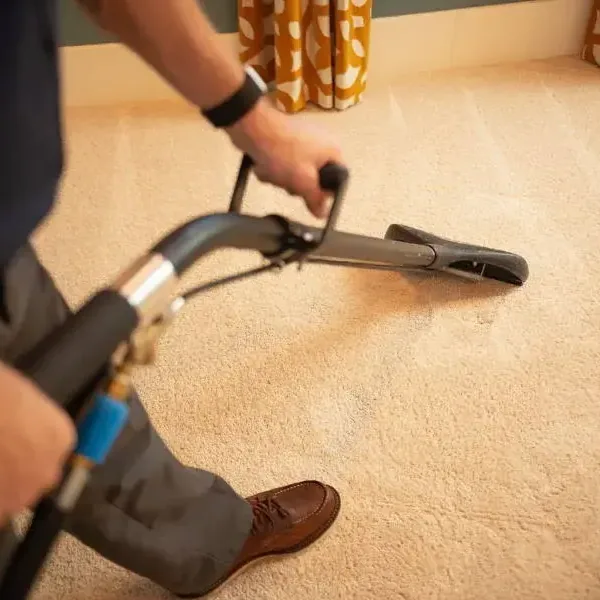
What to do before the drying crew begins
- 1
Control the source
Close a safe valve or stop the contributing appliance, then avoid wet electrical components and unstable materials.
- 2
Protect occupants
Block access where contaminated water, sagging ceilings or slippery surfaces create hazards before inspection.
- 3
Preserve the record
Photograph the water path and damaged contents before moving items unless safety requires immediate action.
- 4
Move dry belongings
Relocate unaffected contents beyond the moisture boundary without carrying debris through clean parts of the building.
- 5
Prepare useful details
Note when water was discovered, which rooms are involved and who needs current documentation.
Response for every water source in Tustin
Each service begins with source control and a material by material inspection, then moves through appropriate extraction, cleaning, drying and final verification.
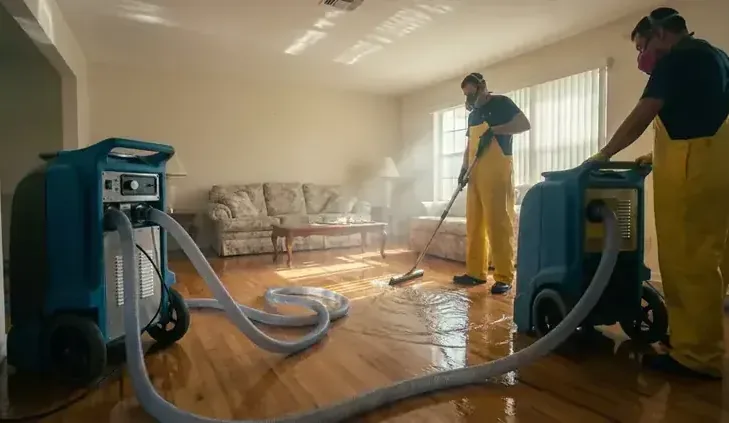 Water Extraction and RemovalStanding water in an apartment can cross a doorway before it is noticed; extraction follows the spread into connected rooms.View service
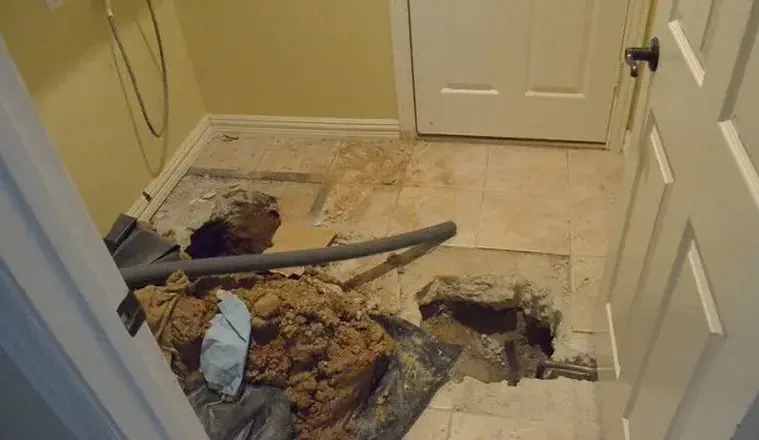 Slab Leak Water DamageWarm or damp flooring calls for source investigation and readings beneath accessible finishes before a repair area closes.View service
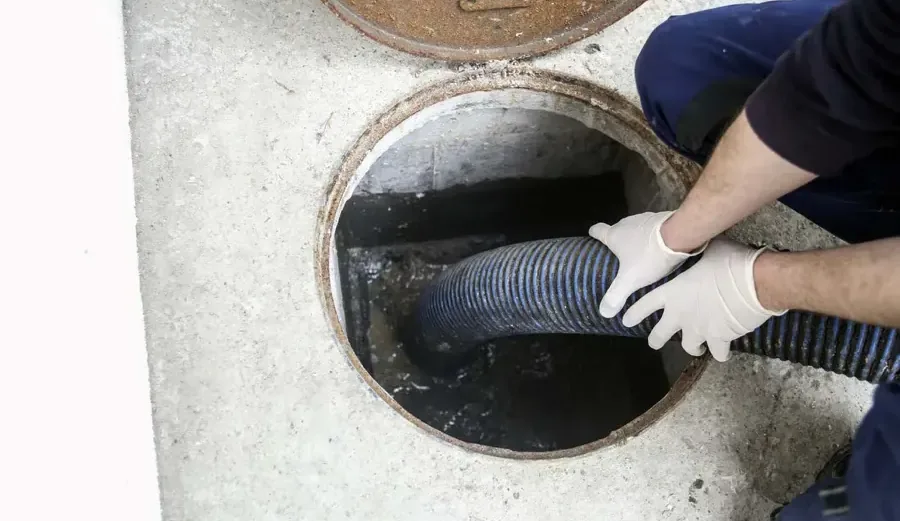 Sewage Backup CleanupA backed-up drain needs a controlled work area, removal of unsuitable porous materials, and cleaning of retained surfaces.View service
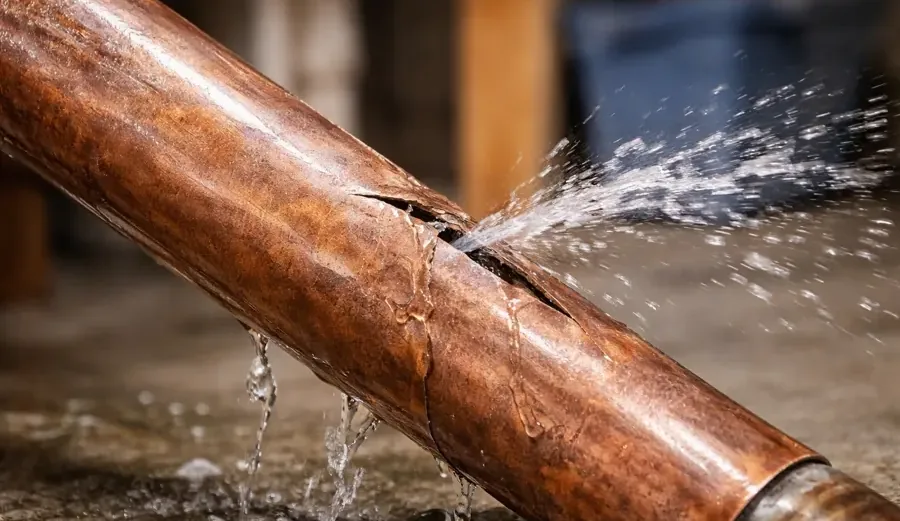 Burst and Pinhole Pipe LeaksOnce the failed pipe is isolated, the crew traces its release through walls, ceilings, and the floor below.View service
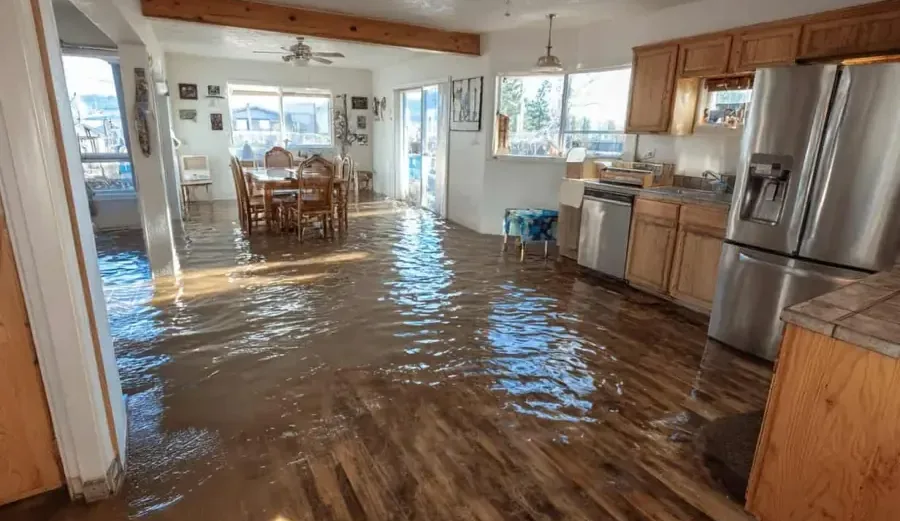 Storm and Flood CleanupWater entering from outdoors leaves a route to document, from the doorway and deposited soil to wet cabinet bases.View service
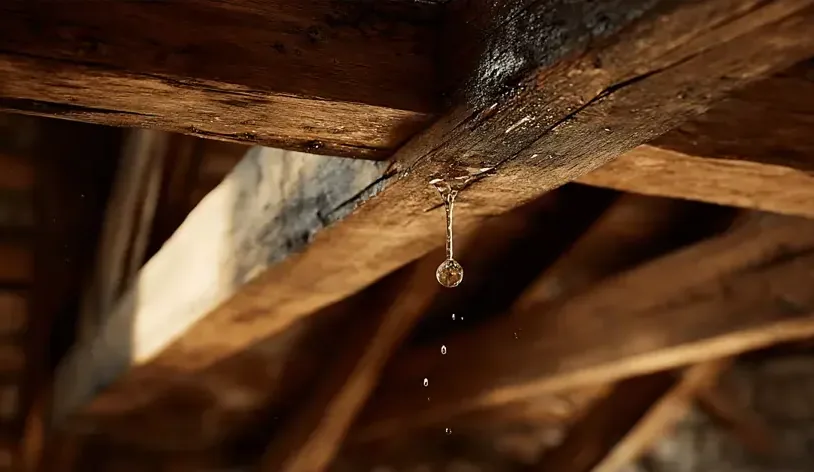 Roof Leak Water DamageRain can travel along framing before a stain appears; roof repair and interior cavity drying need coordinated access.View service
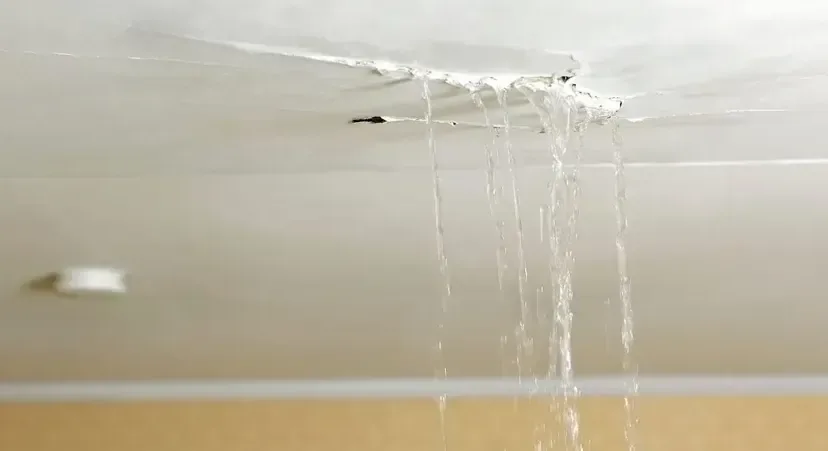
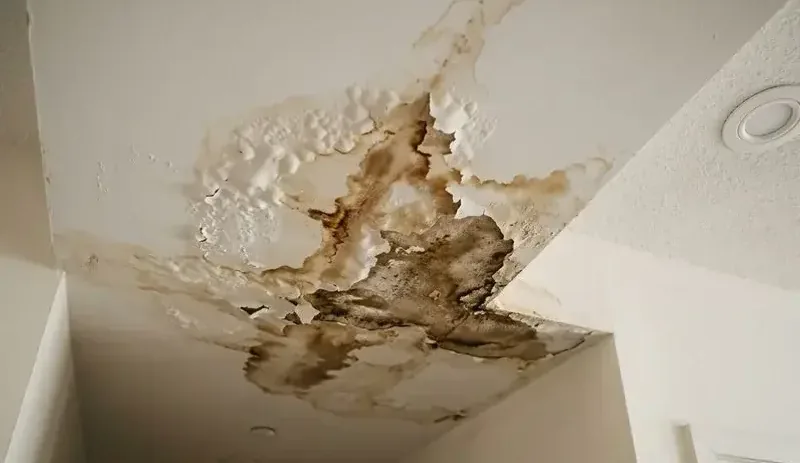 Ceiling Leak Water DamageA bulging ceiling requires a protected area beneath it while the source and wet overhead materials are assessed.View service
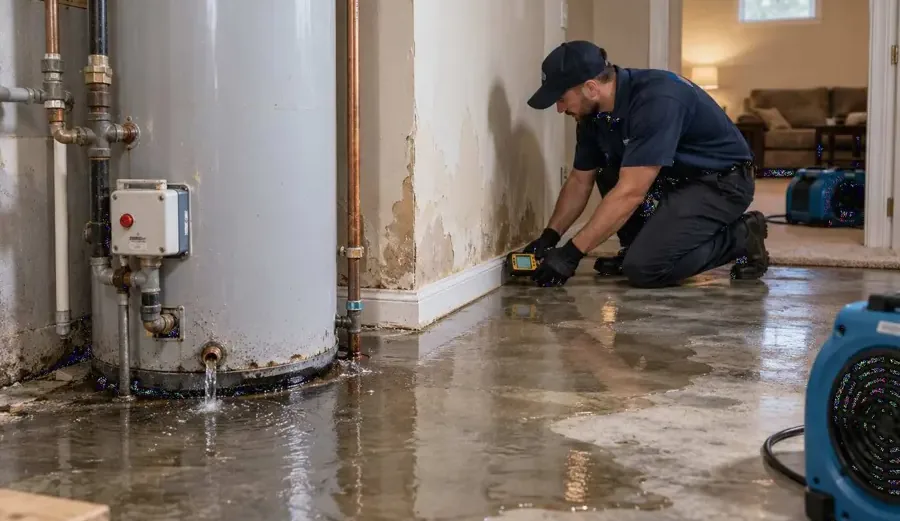 Water Heater Leak CleanupAn overflowing tank can soak stored boxes and adjoining wall edges, so cleanup extends beyond the appliance footprint.View service
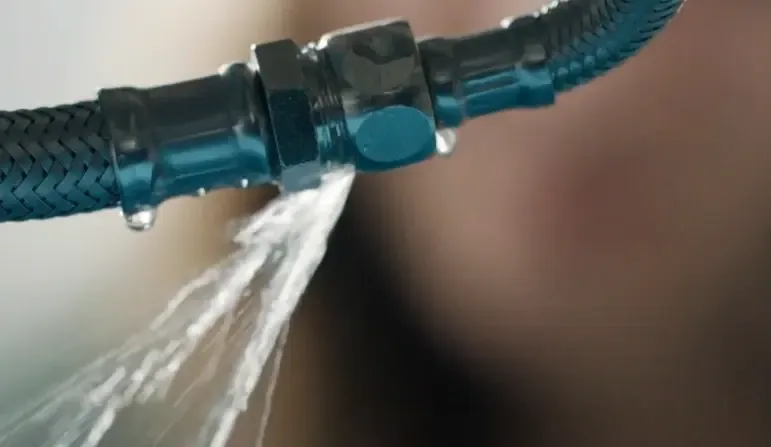 Appliance and Supply Hose LeaksA leaking hose may wet concealed flooring beneath a machine; careful access helps expose the full cleanup area.View service
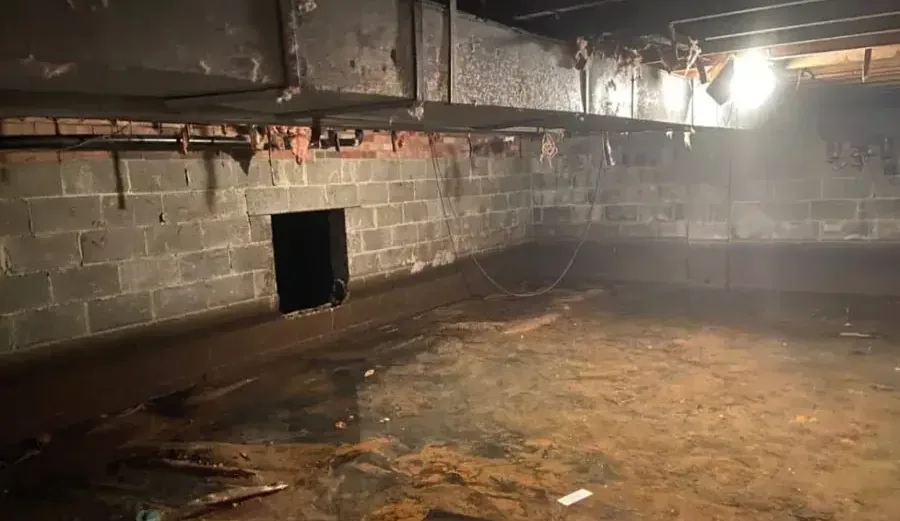 Crawl Space Water RemovalFor buildings with a crawl space, pumping is followed by checks of joists, insulation, and the underside of the floor.View service
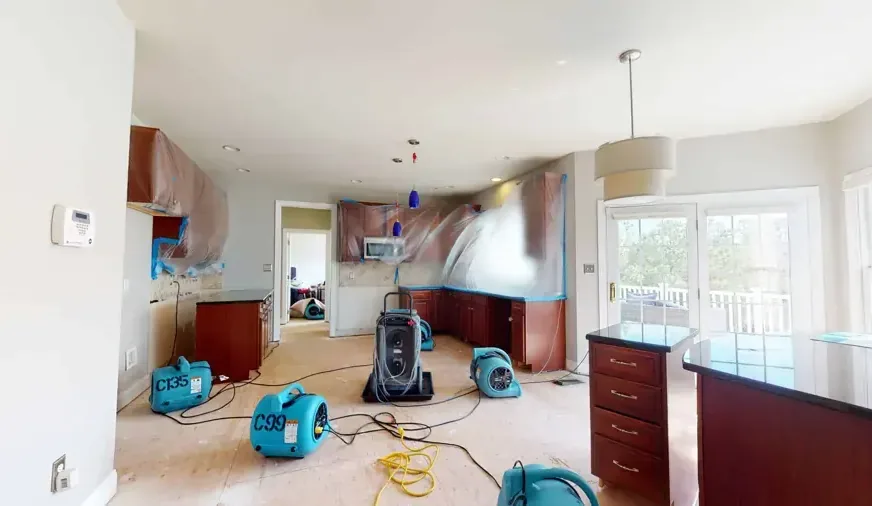 Structural Drying and DehumidificationOlder planned homes and Tustin Legacy properties need drying goals matched to the materials found in each affected room.View service
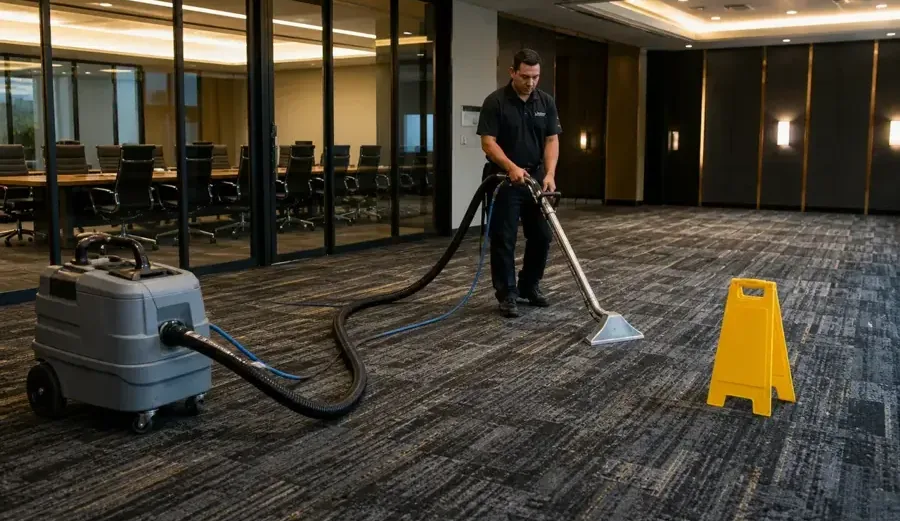 Commercial Water DamageBusinesses in Old Town and the District area can plan extraction around protected stock, safe passage, and access to wet assemblies.View service
A drying plan built from measured conditions
The crew follows moisture beyond visible damage, protects unaffected spaces and adjusts equipment from progress readings. Clear documentation connects the initial condition, work decisions and verified dry result.
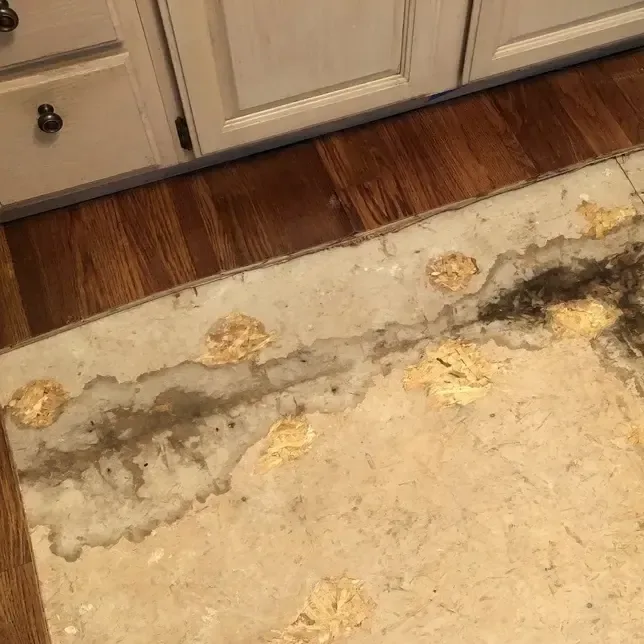
Source focused inspection
The first walkthrough identifies the active source, water condition and materials that need direct readings before equipment placement.
Measured drying plan
Air movement and dehumidification follow the amount of wet material, building access and progress shown at consistent monitoring points.
Clear loss record
Photos, a moisture map, cleaning notes and final measurements show how the affected boundary changed during mitigation.
Local building awareness
Older planned neighborhoods, apartments and newer mixed use buildings require readings that follow each material instead of assumptions about construction.
Water condition shapes cleaning and removal
Clean supply water
A sanitary source can change condition after contacting dirty materials, so prompt extraction and monitoring still matter.
See extraction workUsed appliance water
Water from equipment or fixtures may carry soil and spread beneath cabinets, floors or rooms below.
See appliance cleanupSewage and exterior water
Contaminated water requires separation, protective handling, detailed cleaning and removal of affected porous materials.
See sewage cleanupWhat affects restoration cost in Tustin?
Cost follows the source, affected area, material density, contamination, access and drying duration. An inspection separates recoverable materials from items needing controlled removal before a scope is prepared.
Contained clean-water loss
$1,200 to $3,500
- One contained room
- Early water removal
- Direct material access
Multi-room drying
$3,500 to $7,500
- Several affected spaces
- More drying equipment
- Repeated moisture checks
Contaminated or complex loss
$7,500 to $12,000+
- Contamination or dense materials
- Selective removal
- Detailed coordination
These ranges support early estimates only. Property conditions, cleaning requirements and material access determine the actual authorized work after inspection.
Drying finishes when the readings support it
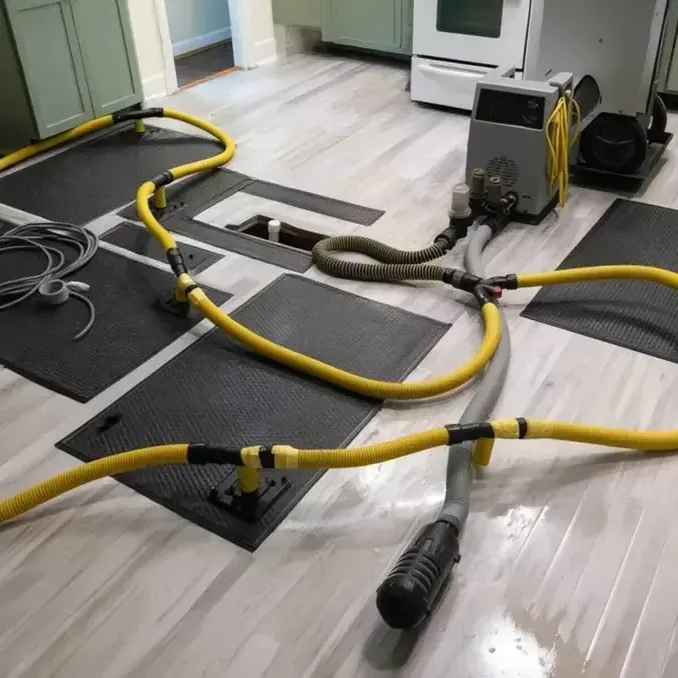
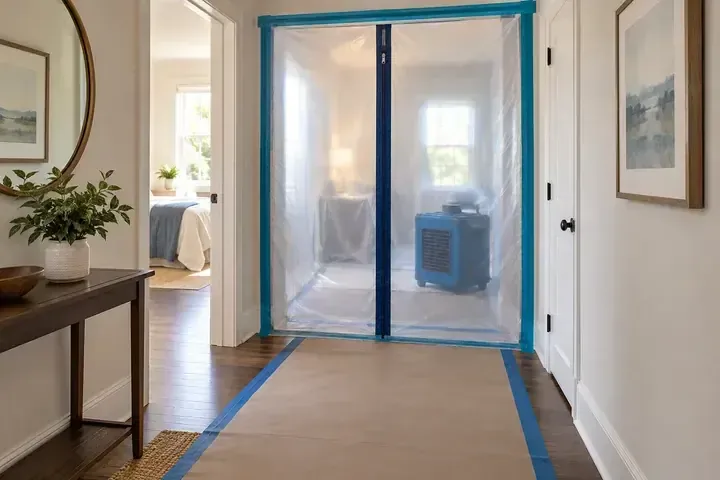
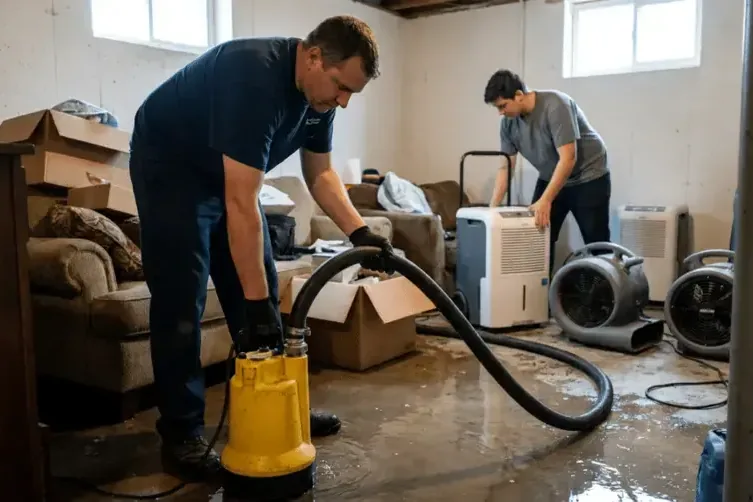
The drying team combines extraction, airflow, humidity control and repeat material measurements. Equipment remains tied to the mapped moisture load rather than a surface appearance.
- 1
Inspect
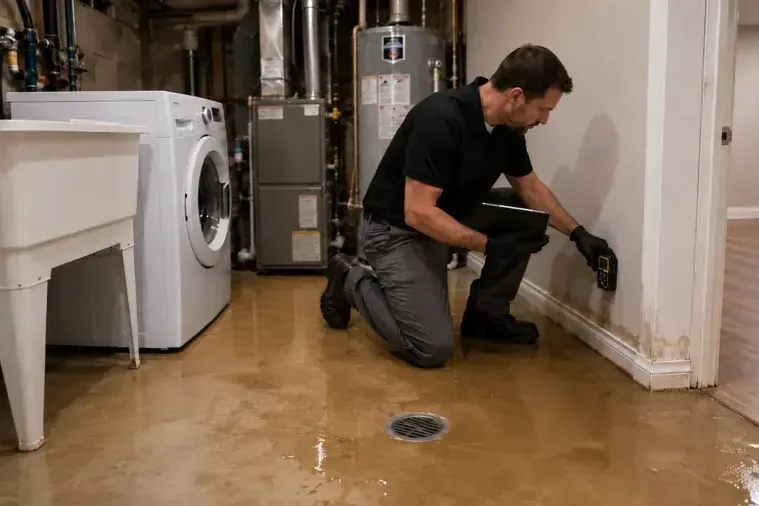
Identify the source, water condition, safety concerns and every material that may have received moisture.
- 2
Extract
Remove recoverable water and document porous materials that cannot be cleaned or dried safely in place.
- 3
Dry
Use controlled airflow and dehumidification while protecting rooms outside the established moisture boundary.
- 4
Verify
Compare mapped points with a suitable dry reference and record the condition before equipment leaves.
Documentation from start to dry goal
The contractor records property conditions and authorized mitigation while the insurer decides coverage under the policy.
- Wide and close condition photographs
- Source and water condition notes
- Initial mapped material moisture readings
- Cleaning and controlled removal records
- Final dry reference comparison readings
Information the owner can preserve
Keep photos of affected rooms and contents before disposal, along with receipts and communication about emergency mitigation or authorization.
Ask the insurer how the policy treats the source, deductible, temporary protection, removed material and reconstruction after drying is complete.
What professional mitigation can involve
Water damage help across Tustin
Named areas in the service zone
ZIP areas
Nearby service hubs
Start with the rooms and source affected
Properties near Old Town Tustin, Tustin Legacy and Tustin Meadows receive source based inspection. Building conditions decide where extraction and drying begin.
See all service areas or the main water damage response for cleanup and documentation information serving Orange County.
Tustin, CA · [email protected]
Property facts shape the response
Older planned neighborhoods, apartments and newer mixed use buildings require readings that follow each material instead of assumptions about construction. Current building readings remain necessary before assigning flood exposure or a drying boundary.
September 2014 A damaged water main sent water and mud across Rancho Alisal in September 2014, showing how a release can reach apartment rooms.
- 01Shared assemblies Water can cross a party wall, ceiling cavity or connected floor before the visible edge shows the full affected area.
- 02Dense materials Wood, concrete and layered flooring can hold moisture after the surface looks dry, so readings must continue at mapped points.
- 03Occupied buildings Homes, rentals and businesses need work zones that protect occupants and keep unaffected areas separate from equipment and debris.
- 04Drainage conditions Local planning around Orange County Water District does not replace property specific inspection or official flood information for a particular parcel.
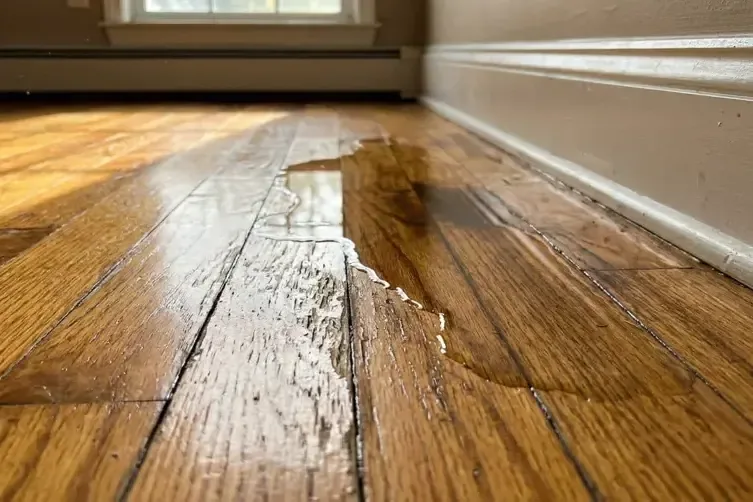
- 05Delayed discovery A slow leak may reach cabinets, wall bottoms or lower rooms before anyone sees a stain, puddle or change in finish.
Water damage questions
Need help choosing a service?
Describe the source, affected rooms and visible materials so the response can begin with the right inspection and safety priorities.
(888) 563-9619(888) 563-9619Discuss the water sourceWhat should happen first after indoor water damage?
Stop the source when safe, avoid wet electrical components and keep occupants outside affected rooms. Photos taken before contents move can support the initial condition record.
How does the crew find moisture beyond a puddle?
Technicians inspect connected finishes and use material readings at floors, walls, cabinets and adjoining spaces. The mapped boundary follows evidence rather than visible staining alone.
Why is extraction completed before structural drying?
Recovering liquid water reduces the amount that equipment must evaporate. Cleaning and selective removal then create access for airflow and dehumidification around remaining damp materials.
Can walls or flooring always be dried in place?
Material condition, contamination, finish layers and access decide. Clean assemblies may remain when readings show that drying is practical; unsafe porous material requires documented removal.
How long should drying equipment remain?
There is no fixed schedule for every building. Repeated measurements show when affected materials approach a dry reference and whether equipment placement needs to change.
What documentation is useful for an insurer?
Overview photographs, source notes, a moisture map, cleaning and removal records, equipment logs and final measurements give the owner a factual record for policy discussions.
Does the contractor decide what insurance covers?
No. The restoration contractor records the loss and performs authorized mitigation. The insurer interprets the policy, deductible, exclusions and approval requirements for later repair work.
How are sewage and exterior flood water handled?
Contaminated sources require controlled access, protective procedures, removal of unsafe porous material, detailed cleaning and drying verification before the affected space returns to normal use.
Where can local service details be found?
The Tustin service hub connects each source specific page, while Stanton water damage services explains the main response and drying process.
Start with source control and a complete moisture map
The response team can document the affected boundary, remove water and build a drying plan from measured conditions.
(888) 563-9619Arrange the initial inspection