Water Damage Restoration Newport Beach, CA
Water can spread beneath flooring and inside walls before the damage becomes obvious. The Newport Beach restoration team assesses the source, removes standing water and documents the remaining drying work.
(888) 563-9619Describe the Newport Beach water damageThe inspection follows the building’s actual water route, with source control and safe access established before extraction, cleaning and drying decisions.
What matters before cleanup begins
- 1
Avoid unsafe rooms
Occupants should stay clear of wet electrical fixtures, unstable ceilings and water with uncertain contamination until safe access is established.
- 2
Control further release
A safe shutoff may stop a supply leak; uncertain utilities or exterior flood conditions require appropriate qualified attention.
- 3
Protect dry belongings
Unaffected items should remain outside the water path and debris route without being carried through unsafe areas.
- 4
Record visible damage
Safe photographs preserve the source area, wet rooms and exposed contents before cleanup or removal changes them.
- 5
Describe the full extent
The first conversation should include when water appeared, where it traveled and whether it is still entering.
Water Damage Restoration Services in Newport Beach
Each mitigation opens alongside cause isolation while a finish by finish examination, then moves through appropriate extraction, cleaning, dryout while final verification.
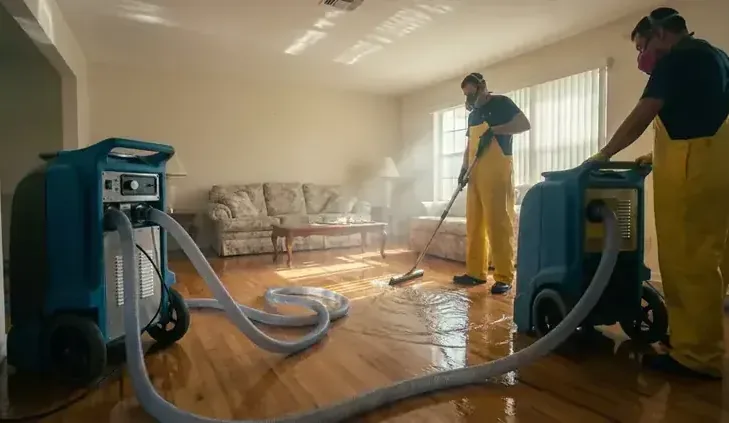 Water Extraction and RemovalThe October 2026 Balboa Peninsula flooding reached homes and businesses. Interior extraction begins once access and electrical conditions are safe.View service
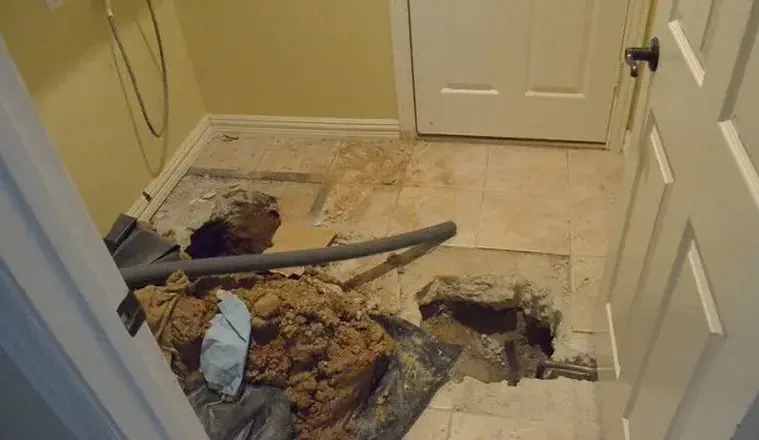 Slab Leak Water DamageA slab leak is assessed beneath the affected finishes. No neighborhood label can substitute for locating the source and mapping its spread.View service
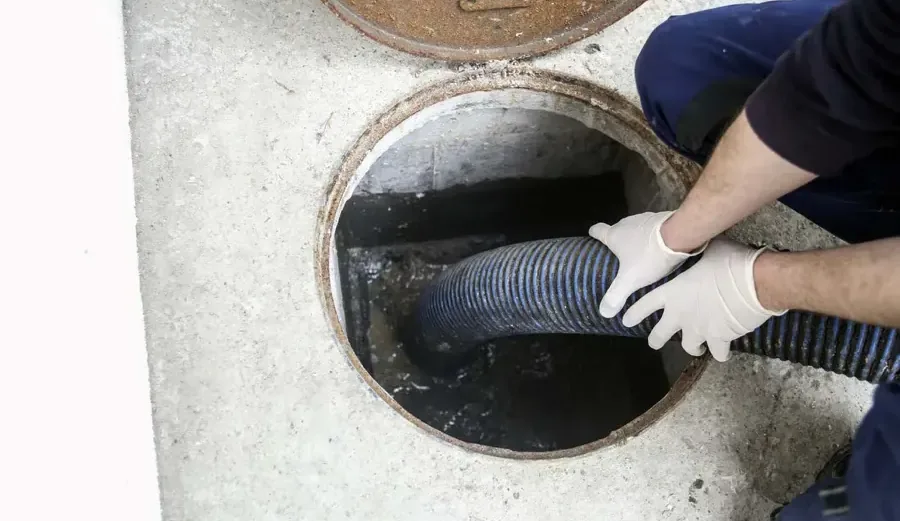 Sewage Backup CleanupA drain backup requires protection for adjoining clean spaces. The sequence covers contaminated material removal, cleaning and moisture control.View service
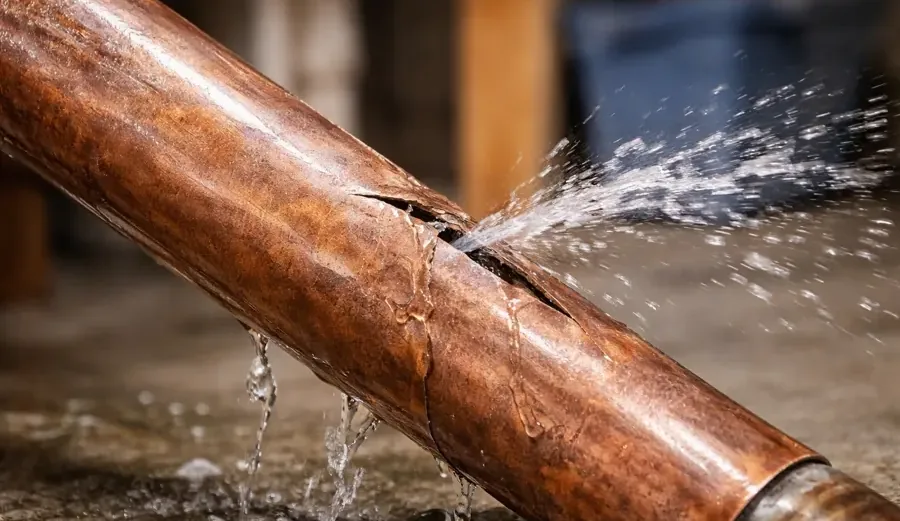 Burst and Pinhole Pipe LeaksEven a small pipe opening can leave concealed wet edges. Shutoff stops the release; testing determines the restoration work that remains.View service
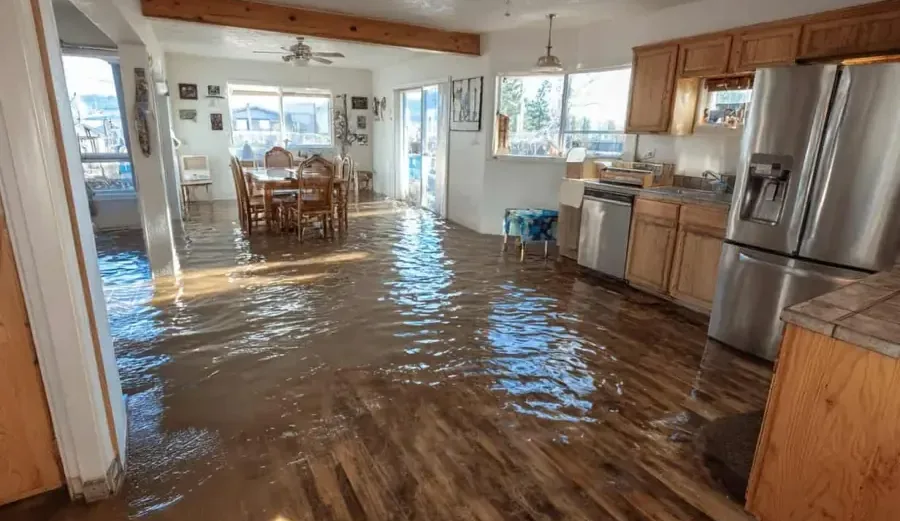 Storm and Flood CleanupBalboa Peninsula, Balboa Island and Newport Island have documented high-tide exposure. Actual flood entry determines each building’s cleanup needs.View service
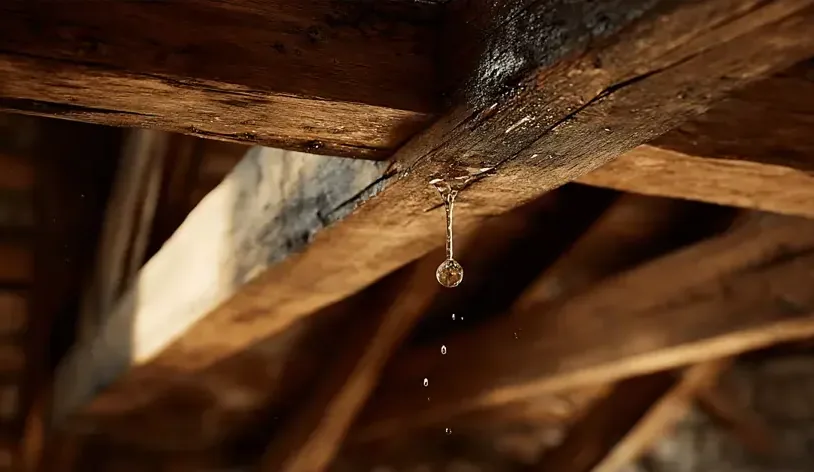 Roof Leak Water DamageKeeping rain out and drying the interior are separate tasks. The restoration record follows wet roof framing down to affected rooms.View service
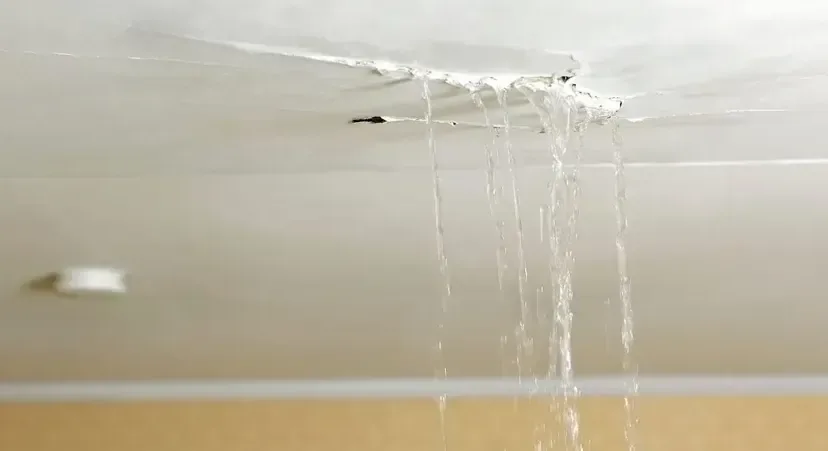
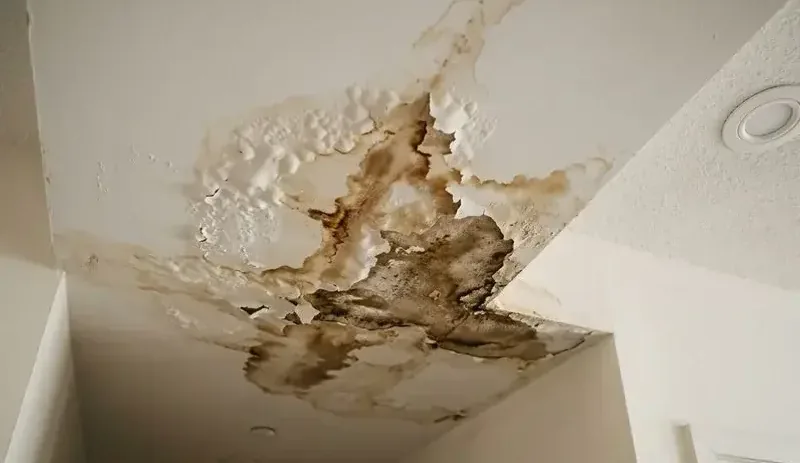 Ceiling Leak Water DamageCeiling discoloration may hide water above the painted surface. Inspection considers the cavity, wall connections and room below.View service
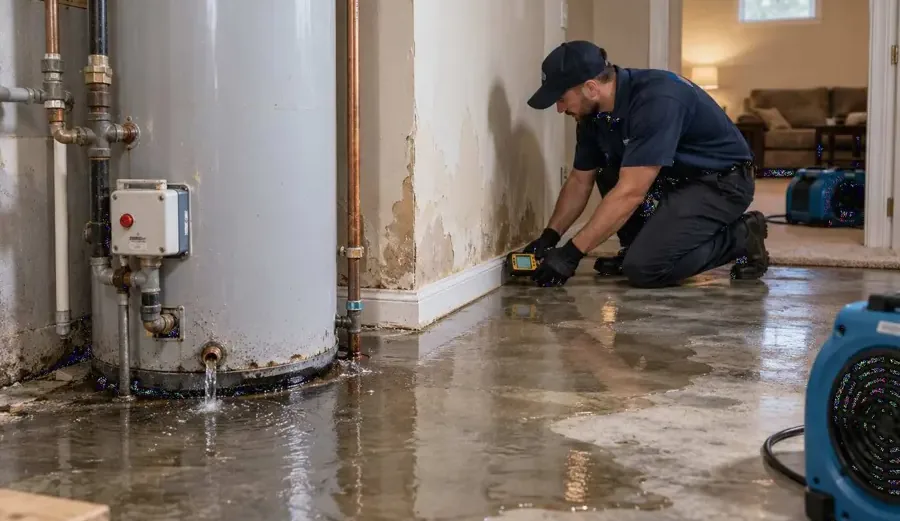 Water Heater Leak CleanupA tank release can soak flooring beneath items stored nearby. Those concealed surfaces need attention after safe utility isolation.View service
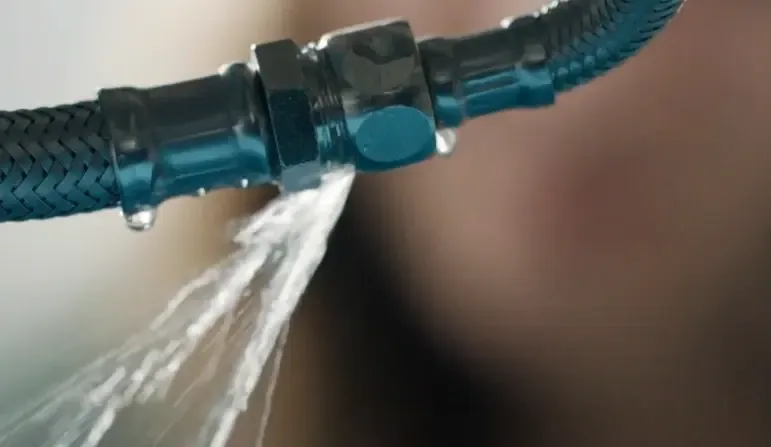 Appliance and Supply Hose LeaksWater behind a machine can spread under cabinets unnoticed. Access around the failed appliance exposes edges that surface wiping misses.View service
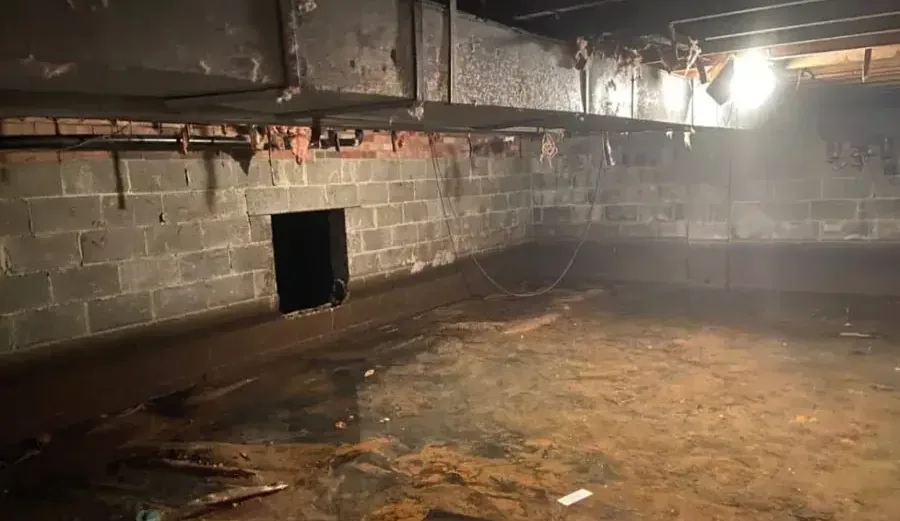 Crawl Space Water RemovalUnderfloor removal applies where the property has a crawl space. The plan accounts for its access, standing water and damp structural materials.View service
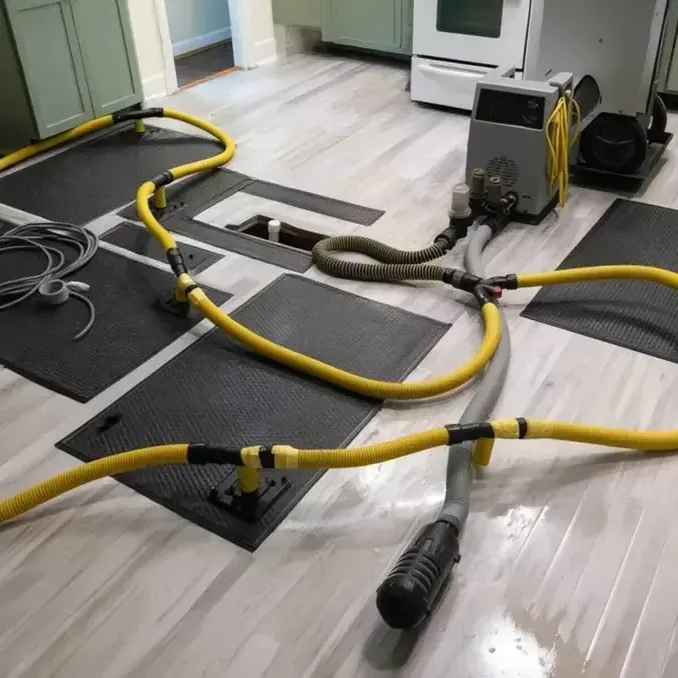
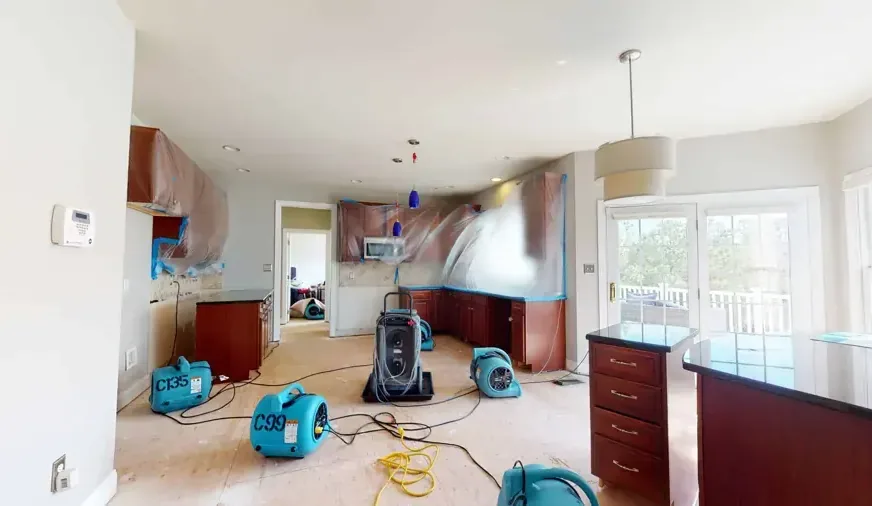 Structural Drying and DehumidificationDaily moisture and air readings determine equipment changes. Readings inside the affected assembly establish when retained materials are ready for repair.View service
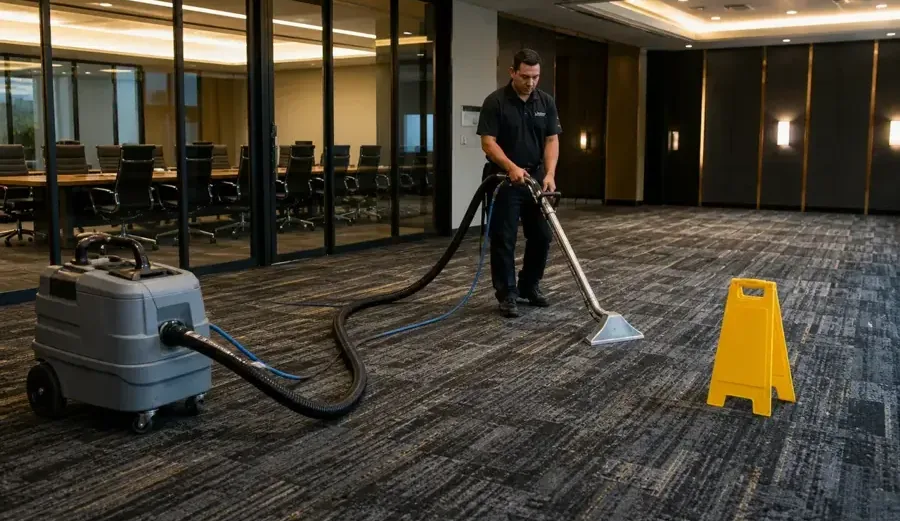 Commercial Water DamageCoastal flooding has affected Balboa Peninsula businesses. Cleanup planning separates exposed contents, protected stock and safe working areas.View service
A room-by-room moisture assessment
A useful plan connects the water source with the materials it reached. Measurements help establish access, removal and drying needs, while the work record explains decisions as conditions change.
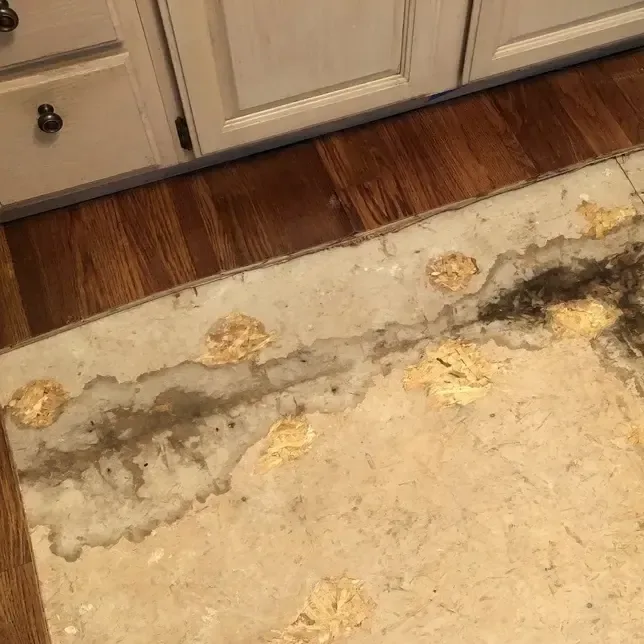
Source first
The inspection distinguishes plumbing releases, appliance discharge, sewage and exterior entry before defining the cleanup sequence for affected materials.
Materials matter
Floor layers, cabinet bases and wall cavities need individual assessment where the observed water route suggests concealed moisture.
Progress stays visible
Photos and repeat readings connect initial damage with removal, cleaning and the condition of materials retained for drying.
Local conditions
Coastal exposure informs the assessment, while the actual property determines entry, contamination, access and the extent of interior work.
The source changes the cleanup
Clean supply water
A sanitary release can change after contact with dirty materials; its current condition still needs assessment.
See water extractionUsed appliance water
Machine discharge may carry residue into cabinet bases, floor layers and adjoining rooms before it becomes visible.
See appliance cleanupSewage and exterior water
Contamination requires controlled access, suitable material removal and thorough cleaning before ordinary structural drying proceeds.
See sewage responseWhat affects restoration cost in Newport Beach?
Restoration cost depends on the source, wet area, contamination and access to affected materials. Inspection distinguishes surfaces suitable for drying from those needing removal before a written scope is prepared.
Contained clean-water loss
$1,200 to $3,500
- One affected room
- Accessible extraction
- Limited material removal
Several connected rooms
$3,500 to $7,500
- More drying equipment
- Concealed material access
- Repeat moisture checks
Contaminated or complex loss
$7,500 to $12,000+
- Controlled removal
- Detailed surface cleaning
- Additional coordination
The ranges are planning estimates. Actual pricing depends on the inspected materials, required cleaning, removal decisions and documented drying scope.
Equipment follows the wet materials
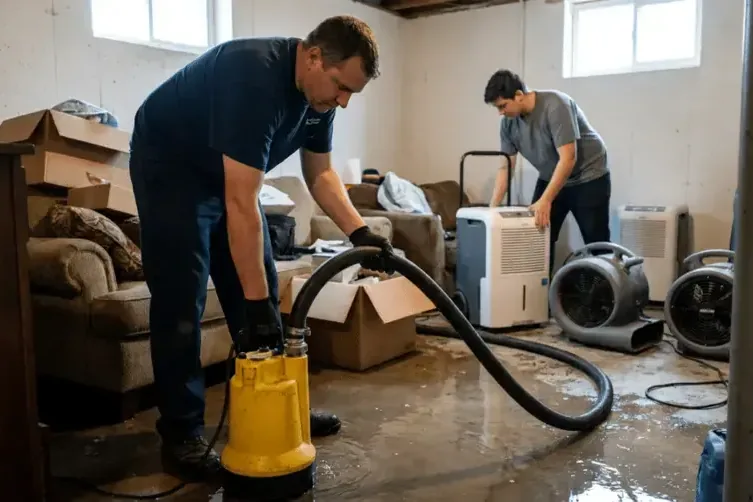
Extraction reduces standing water before airflow and dehumidification address moisture inside retained materials. Consistent monitoring locations show progress and identify sections that need another look.
- 1
Assess
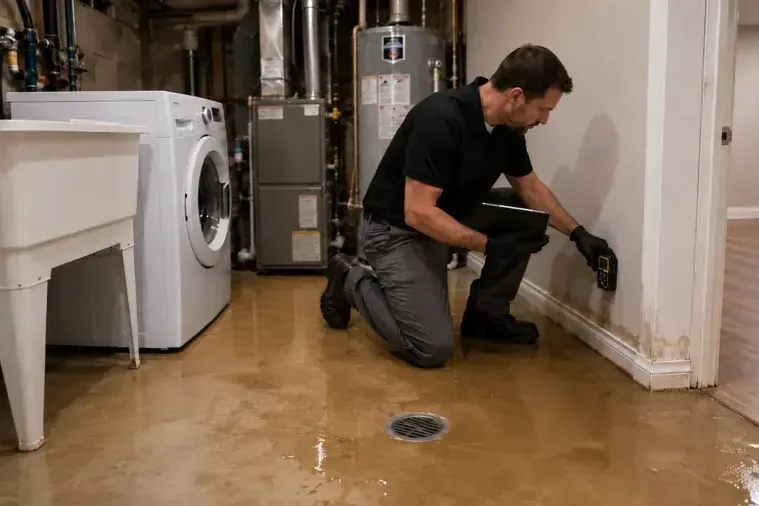
The technician identifies the source, hazards and wet perimeter, then records the material at each monitoring point.
- 2
Remove
Accessible water and unsuitable materials are handled before retained surfaces receive necessary cleaning and drying preparation.
- 3
Monitor
Equipment serves the exposed assembly, with readings informing changes to placement, access or the remaining work scope.
- 4
Complete
Final comparisons document the retained materials, while unresolved repairs or inaccessible areas remain clear in the handoff.
Photographs, decisions and final readings
The contractor documents observed damage and completed work, while the insurer determines coverage under the property’s policy terms.
- Source observations and discovery notes
- Photographs before removal changes the room
- Material locations and initial moisture readings
- Cleaning and removal decisions by area
- Completion readings for retained building materials
Records the property contact can preserve
Initial photos, repair communications and receipts help connect the discovery of water with the response that followed.
The insurer can explain the policy’s treatment of the reported source and any requirements for supporting the claim.
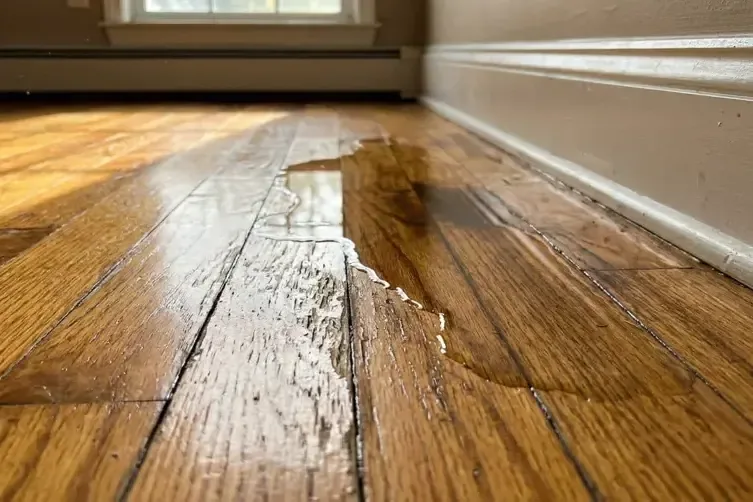
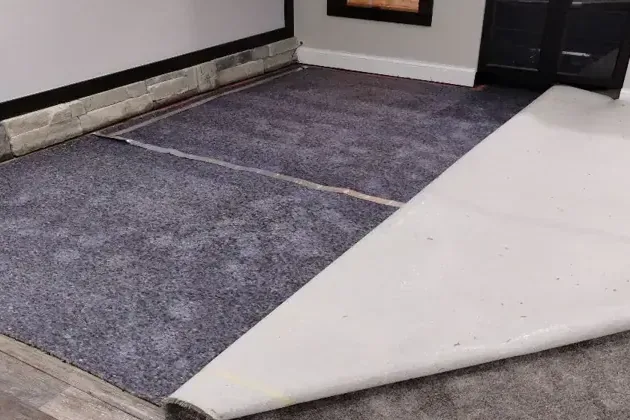
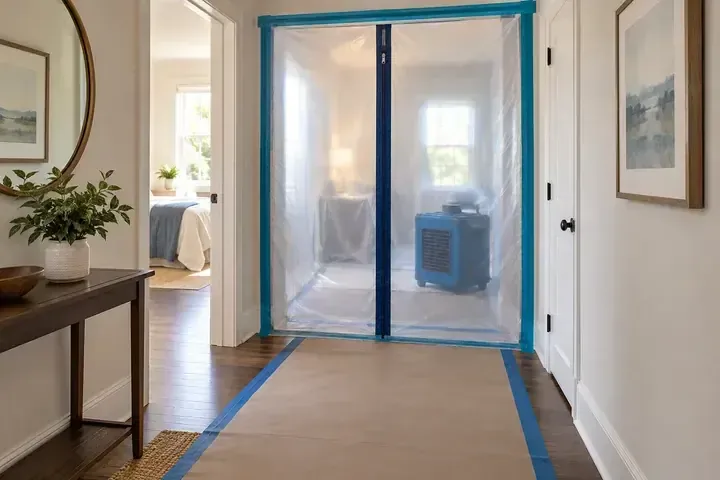
Removal, access and drying in practice
Water damage help across Newport Beach
Areas served
ZIP coverage
Other service areas
Describe the source and affected rooms
Properties on Balboa Peninsula, Balboa Island and Newport Island receive an inspection based on the observed entry and wet materials.
The service-area directory and Stanton restoration overview connect other locations and related water cleanup services.
Newport Beach, CA · [email protected]
Local context, property-specific inspection
The city identifies several harbor areas as vulnerable during unusually high tides. That context helps the initial discussion, but current observations inside each building determine its cleanup and drying needs.
October 2026 In October 2026, coastal flooding reached Balboa Peninsula homes and businesses. Crews operated pumps and opened tidal valves during the response.
- 01Coastal entry Balboa Peninsula, Balboa Island and Newport Island have high-tide exposure; inspection establishes the actual water route at each affected building.
- 02Drainage work The Storm Drain Maintenance Crew maintains city drains and catch basins. Interior restoration separately addresses materials reached after outside water enters a property.
- 03Connected rooms Water can pass beneath thresholds or inside walls. Readings beyond the visible puddle help establish whether adjoining spaces also need attention.
- 04Occupied properties Homeowners, tenants and business contacts may need coordinated access. Protected routes separate affected material handling from dry living or working space.
- 05Concealed moisture A surface can look dry while a deeper layer remains wet. Material comparisons support the decision to adjust equipment or complete drying.
Water damage questions
Describe the water problem
The source, affected rooms and current access conditions help the team identify the next inspection and safe cleanup priorities.
(888) 563-9619(888) 563-9619Discuss the Newport Beach assessmentDoes coastal location explain every water loss?
No. Plumbing, appliances and drains can also release water inside a building. The assessment starts with the observed source and material exposure rather than assuming that every loss is coastal flooding.
What follows the first extraction pass?
The technician checks flooring edges, wall bases and other connected materials for retained moisture. Those findings establish cleaning, access and drying needs after the visible water has been removed.
Can damp walls and floors remain?
Retention depends on material condition, contamination and practical drying access. The contractor should explain why a finish can stay or what removal is needed to inspect and treat the layers beneath it.
How is drying progress measured?
Repeat readings at identifiable material locations are compared with suitable dry references and recorded air conditions. Appearance alone cannot establish whether an enclosed assembly has reached its drying goal.
What changes when sewage is involved?
Controlled access, protective handling and contamination-focused material decisions become central. Unsuitable porous materials may need removal, with cleaning completed before the retained assembly receives ordinary drying.
Who determines insurance coverage?
The insurer interprets the policy. The contractor supplies an account of observed damage, source information and authorized restoration work, including photographs and readings that explain the completed scope.
What should be reported when arranging an assessment?
Useful details include when water appeared, whether it is still entering, the rooms involved and any access or utility concern. Occupants should gather that information without entering unsafe areas.
Can appliance replacement finish a water loss?
Replacement addresses the equipment, while wet cabinets, floors and walls need separate assessment. Installation should preserve access until the surrounding materials are inspected and dried.
What if water reached a neighboring room?
The inspection follows that connected route through flooring and walls. A doorway does not automatically mark the end of the moisture or cleanup boundary.
Start with the source and the wet rooms
A clear assessment connects safe access, water removal and the measured drying work needed inside the property.
(888) 563-9619Arrange Newport Beach restoration assessment