Water Damage Restoration Cudahy, CA
Standing water in a rental, house or workplace needs a careful boundary check before removal begins. Cudahy crews map the spread and plan the drying work.
(888) 563-9619Map the wet areaPhotographs and moisture readings connect the first inspection with cleaning choices, equipment placement and the final dry comparison.
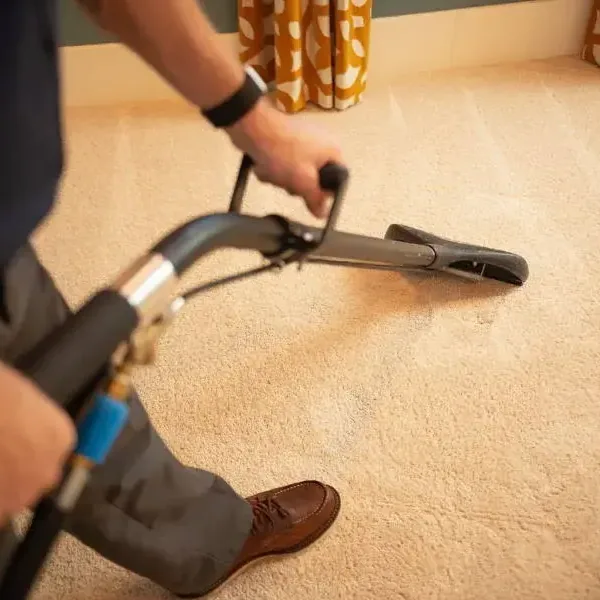
Prepare the affected rooms for a safe inspection
- 1
Stop what is safe
Shut off the contributing fixture or valve only when it can be reached without crossing water or touching an electrical hazard.
- 2
Keep people clear
Close the room when sewage, a sagging ceiling, loose flooring or slippery surfaces make ordinary entry unsafe.
- 3
Capture conditions
Take wide photographs and close views of the water path, damaged finishes and affected belongings before cleanup changes the scene.
- 4
Separate dry items
Move unaffected possessions into a dry area without carrying wet debris through rooms that have stayed clean.
- 5
Share useful details
Explain when the problem appeared, which spaces are involved and whether water may have reached another room or unit.
Choose cleanup by the source of water
A pipe release, drain backup and roof leak can reach different materials. The inspection identifies the source and selects the needed cleanup sequence.
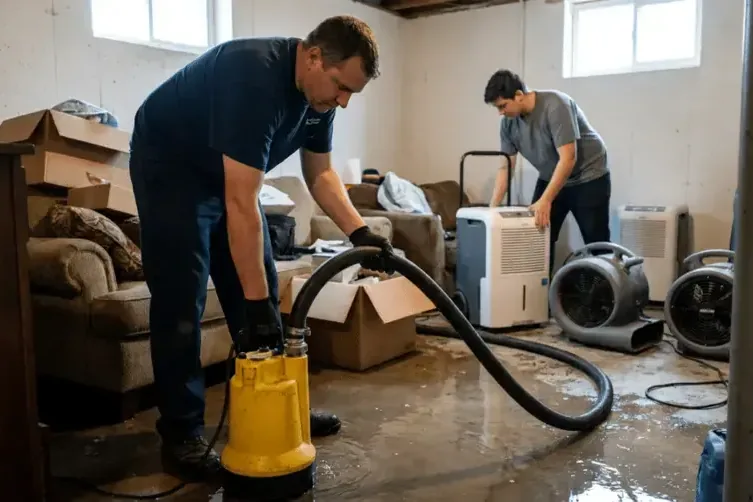
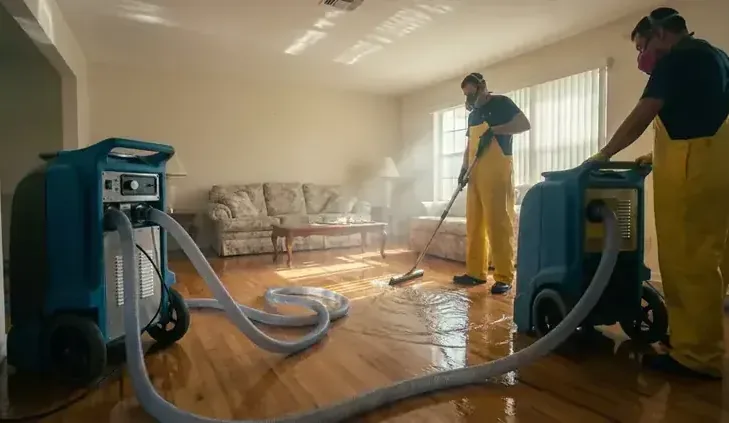 Water Extraction and RemovalPumps and extraction tools remove pooled water, while readings along walls and floors show where drying must continue after the visible water is gone.View service
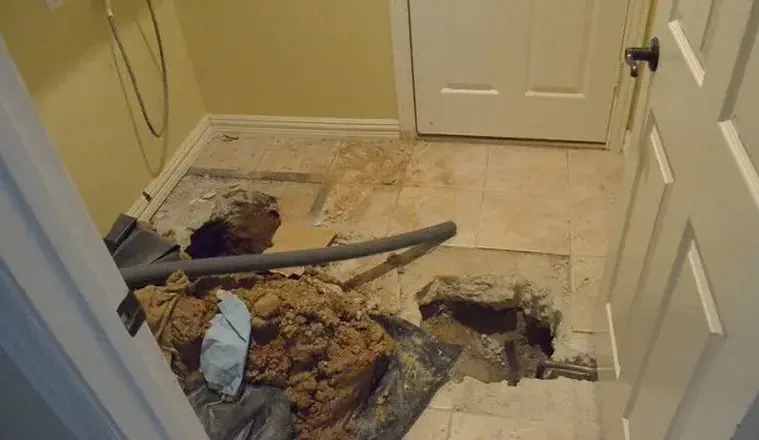 Slab Leak Water DamageMoisture rising near a floor calls for source confirmation and a room by room trace instead of assumptions about the slab or buried pipe.View service
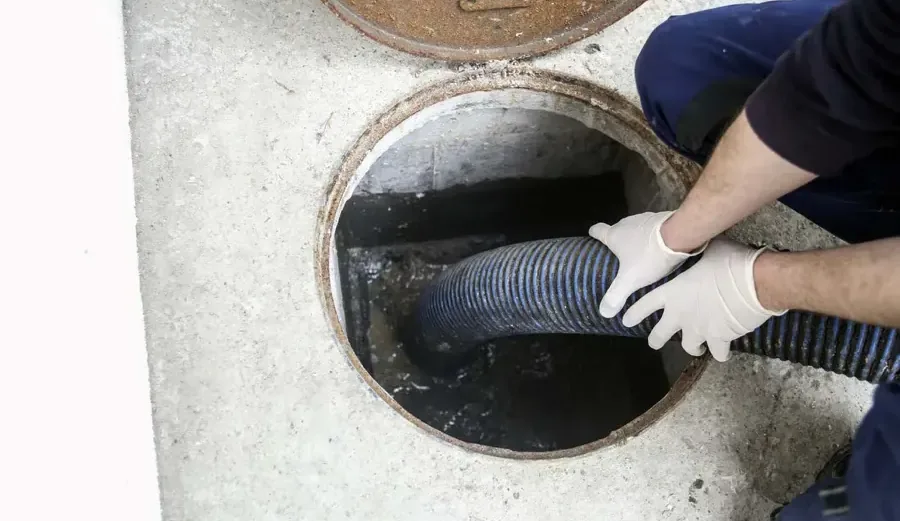 Sewage Backup CleanupA drain backup requires isolation, controlled removal, detailed cleaning and proof that the remaining structural surfaces have reached a dry target.View service
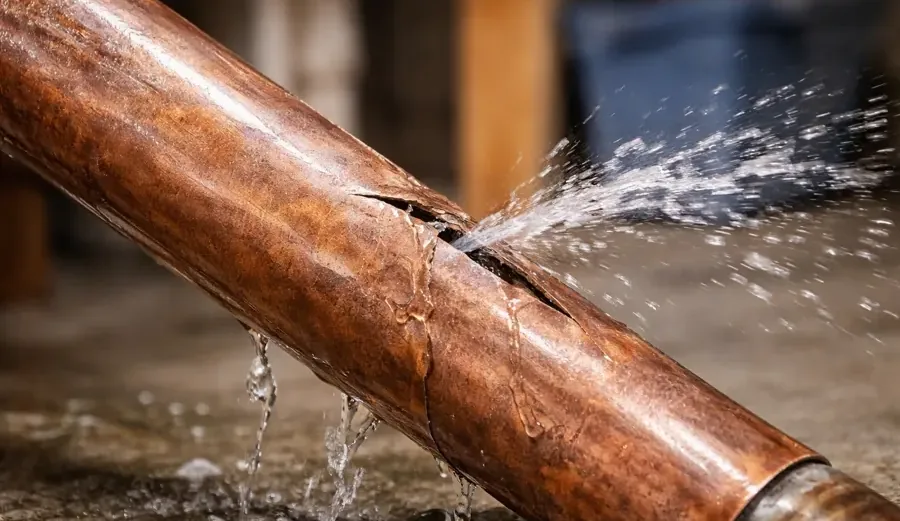 Burst and Pinhole Pipe LeaksA failed supply pipe can release water into cabinets, wall cavities or neighboring rooms, making an early shutoff and broad inspection valuable.View service
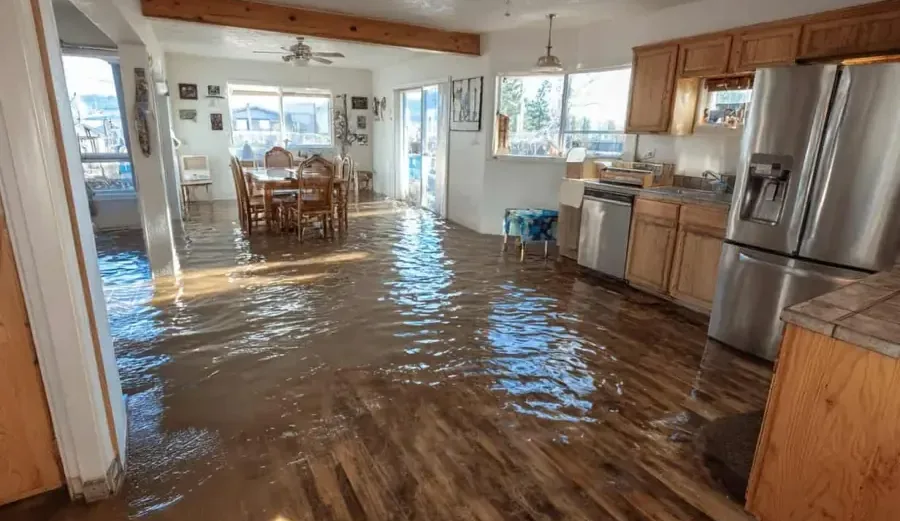 Storm and Flood CleanupRain entering beneath a door or through an opening is extracted after safety and contamination conditions are assessed for that specific building.View service
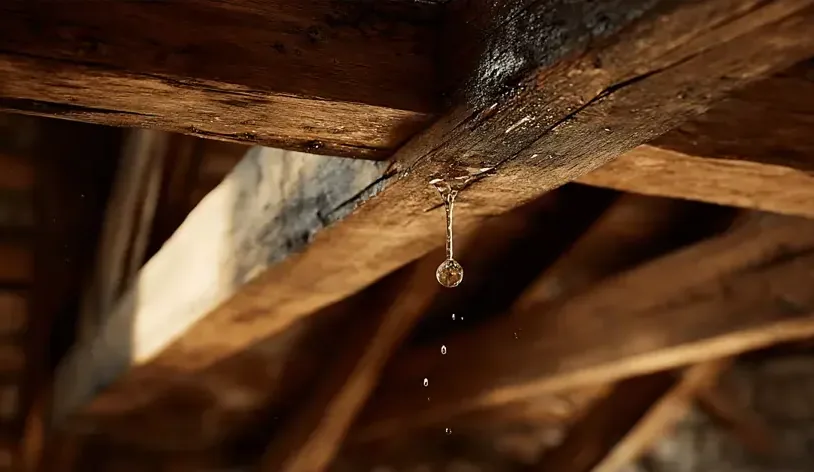 Roof Leak Water DamageRoof entry may travel along framing before appearing indoors, so the response follows damp insulation, ceilings and wall finishes from the observed path.View service
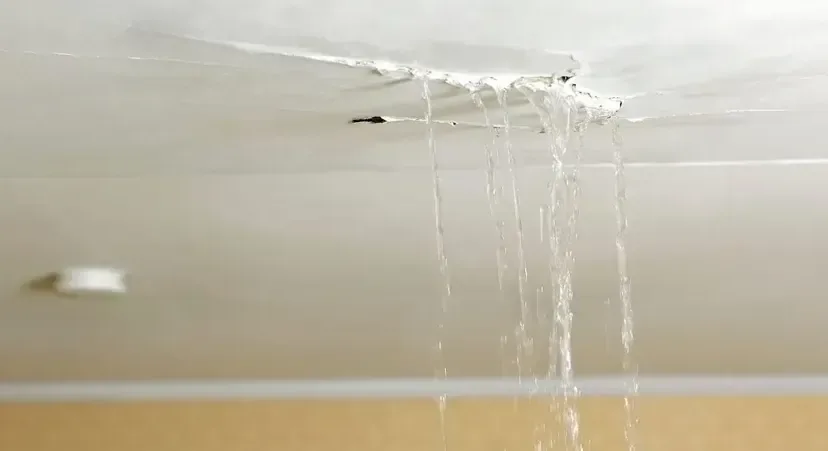
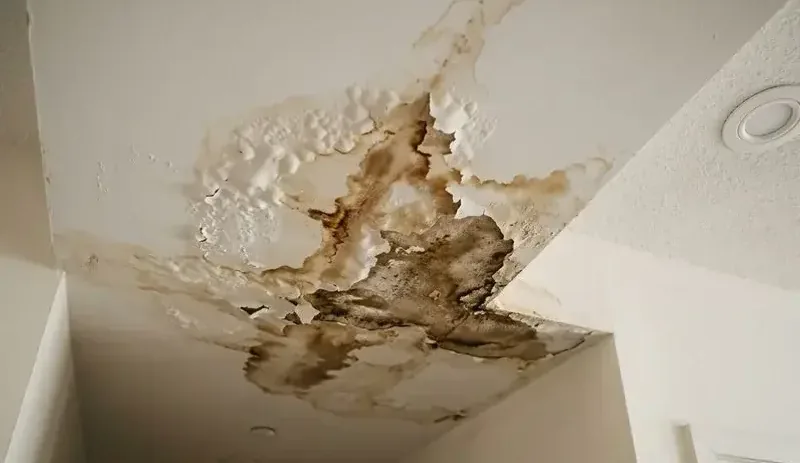 Ceiling Leak Water DamageA stain overhead can hide a larger wet area. Checks above, below and beside the mark help define safe access and the needed drying zone.View service
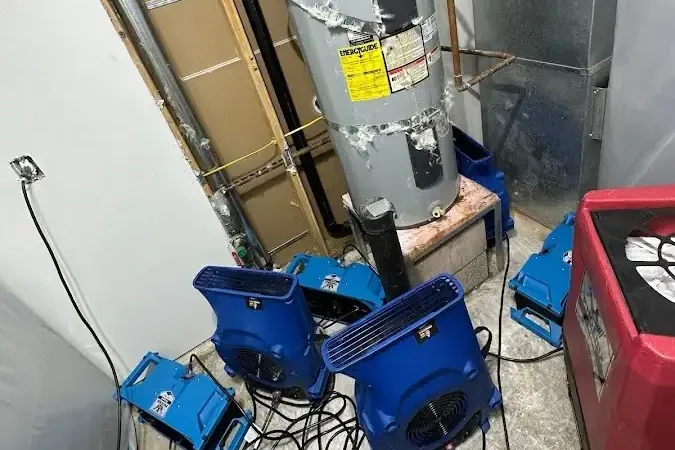
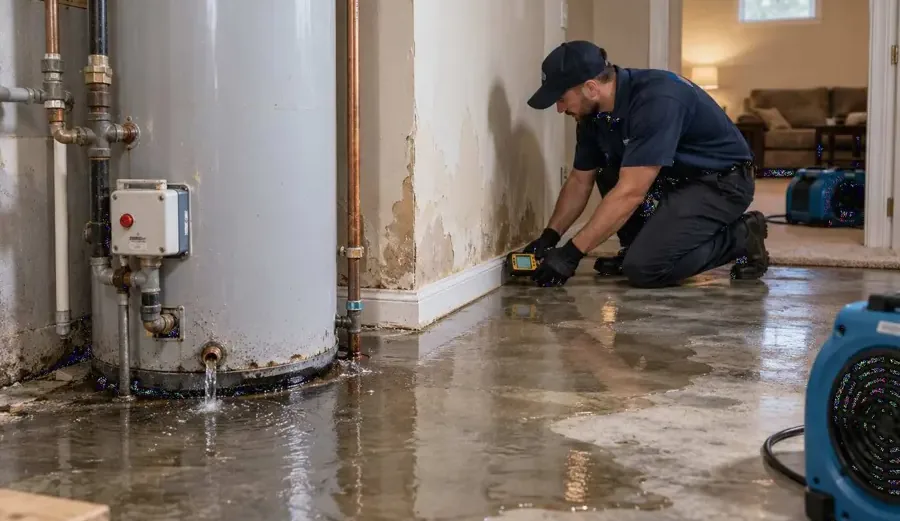 Water Heater Leak CleanupTank or connector water is removed around the equipment, then nearby wall bases, flooring and adjoining spaces are checked for concealed absorption.View service
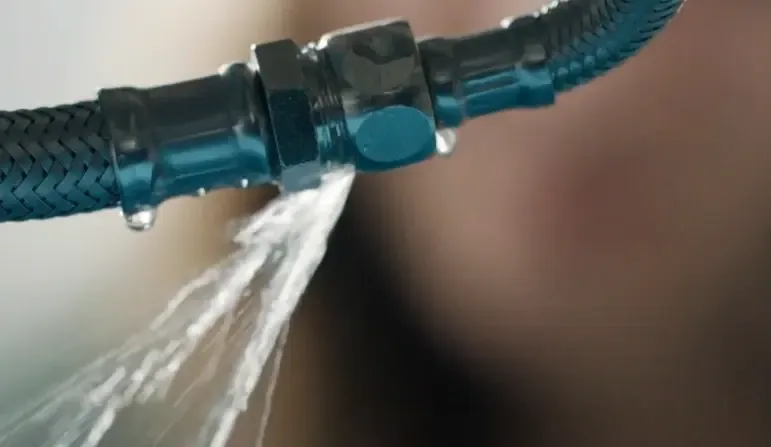 Appliance and Supply Hose LeaksDishwasher, washer and refrigerator leaks may run beneath cabinets or flooring. Cleanup traces that path before setting a focused drying plan.View service
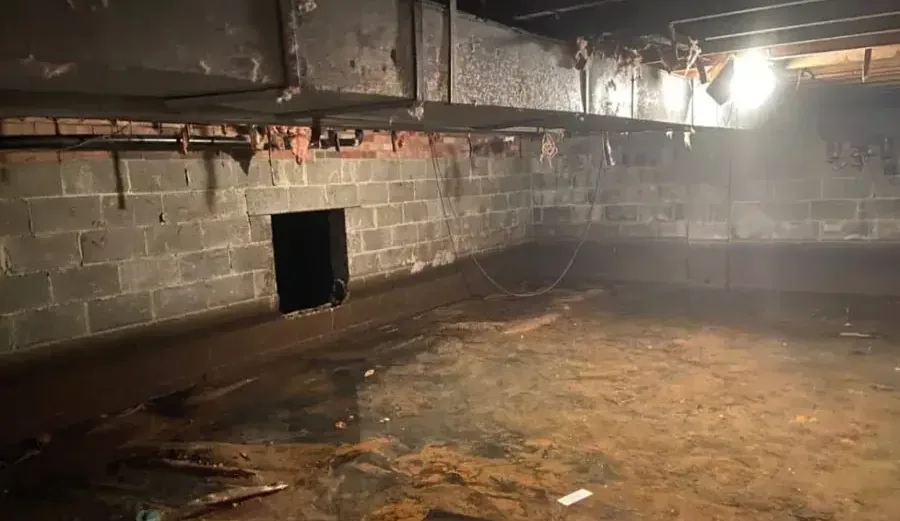 Crawl Space Water RemovalWhere a building actually has a crawl space, standing water, damp supports and access limitations determine extraction and air management choices.View service
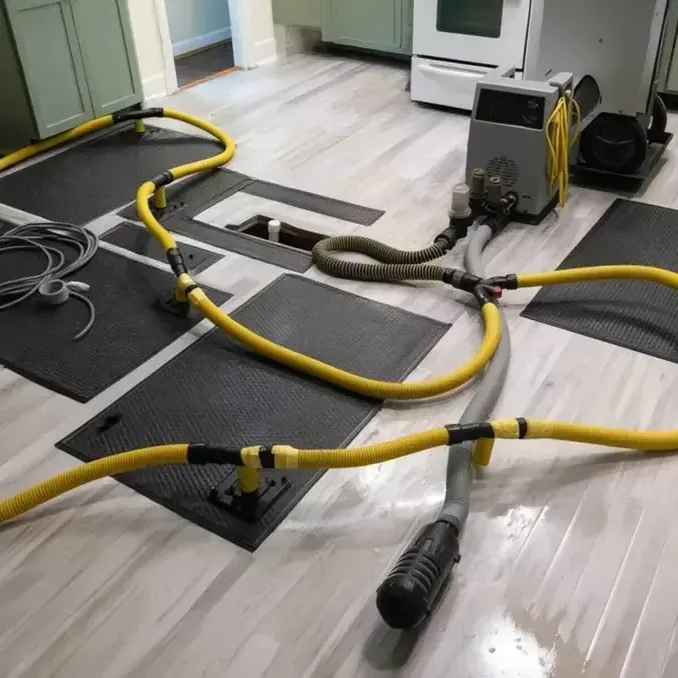
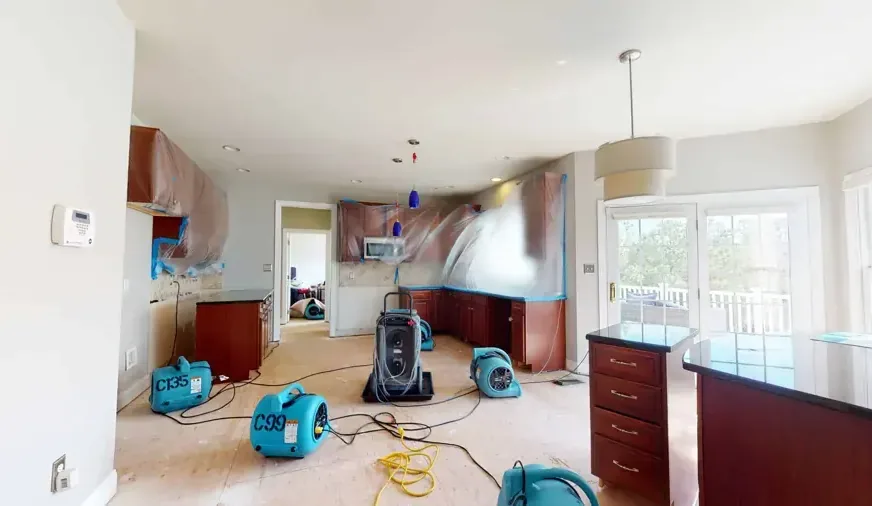 Structural Drying and DehumidificationMapped readings direct air movement and dehumidification for wet assemblies, with repeat measurements used to adjust the setup and confirm completion.View service
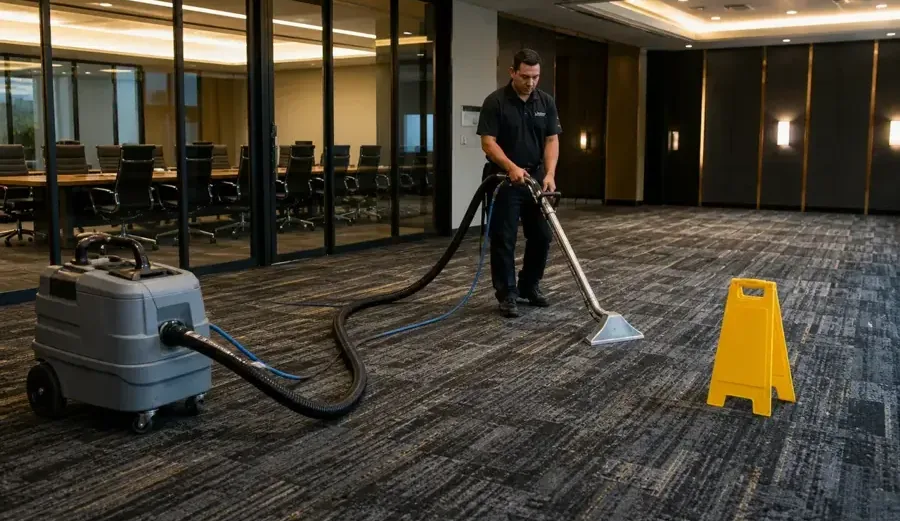 Commercial Water DamageBusinesses need documented zones, practical access planning and phased work that keeps unaffected areas separated from water, debris and equipment.View service
Follow the water through connected rooms
A useful plan begins with the source and the building, not a stock assumption. The team marks damp materials, protects occupied areas and changes the equipment layout when readings support it.
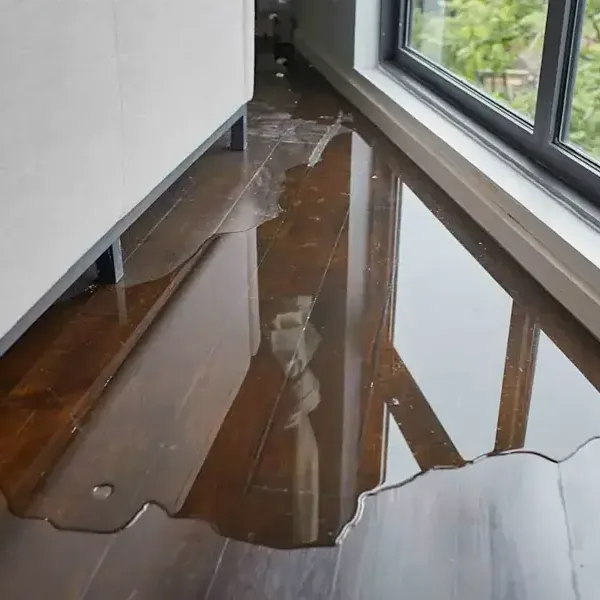
The loss comes first
Technicians identify the likely origin, visible route and sanitation condition before choosing extraction, cleaning or selective removal.
Boundaries come from data
Checks at wall bases, floors and adjoining spaces separate the confirmed wet zone from surfaces that remain dry.
Occupied space stays considered
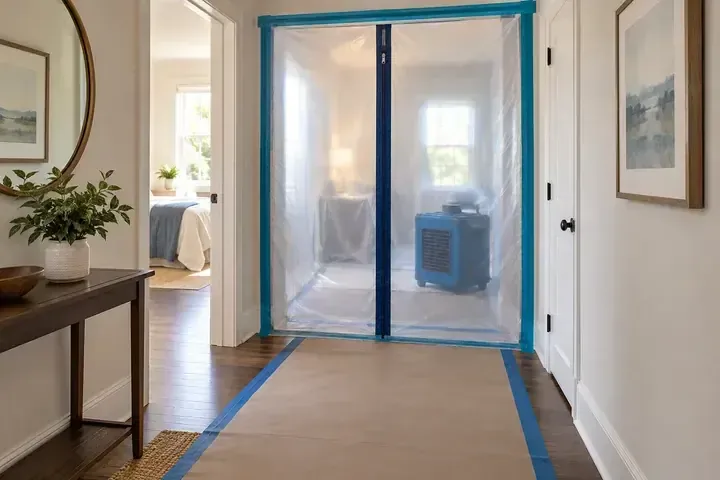
Containment, equipment placement and walk paths account for residents, tenants or workers who may still use unaffected areas.
Completion has evidence
Repeated measurements at marked locations are compared with suitable dry materials before the drying setup is removed.
The water route helps determine the cleanup
Supply release
Pipe water requires a contact assessment because its condition can change after entering dirty cavities or flooring.
Recover pooled waterAppliance discharge
Used water from a machine can leave residue beneath cabinets and inside floor joints that surface wiping misses.
Inspect appliance spreadContaminated backup
Sewage requires isolation, removal of unsuitable porous material and accessible surface cleaning before the structure dries.
Assess sewage contactWhat affects restoration cost in Cudahy?
Cudahy restoration costs depend on wet materials, contamination, access and the amount of drying required. Inspection separates source repair, removal and retained finishes so the authorized scope reflects the actual property conditions.
Limited room cleanup
$1,200 to $3,500
- Accessible pooled water
- Contained floor area
- Initial moisture checks
Connected room drying
$3,500 to $7,500
- Several wet assemblies
- Adjusted equipment placement
- Material progress records
Complex contaminated loss
$7,500 to $12,000+
- Controlled debris removal
- Detailed surface cleaning
- Coordinated property access
These preliminary ranges describe possible scopes, not a property quotation. Conditions found during inspection determine which cleaning, removal and drying tasks need authorization.
Measure what remains after the floor clears
A cleared puddle leaves a second question: which materials absorbed water? Consistent readings connect extraction with equipment placement, later adjustments and the decision to release the drying area.
- 1
Locate
Trace the release, check accessible materials and mark dry comparison points before cleanup changes the starting conditions.
- 2
Recover
Extract reachable liquid and identify wet finishes that obstruct cleaning or prevent useful access to the remaining assembly.
- 3
Adjust
Direct airflow and dehumidification toward retained moisture, revising the setup when individual material readings show uneven progress.
- 4
Record
Document the final comparisons and any inaccessible areas so the repair trade understands what has been evaluated.
A clear record for property decisions
Room photographs and work records help explain the damage, authorized mitigation and remaining repair needs during a policy discussion.
- Discovery timing and source observations
- Photographs before contents or finishes move
- Initial measurements by room and material
- Removal reasons and cleaning access notes
- Final readings and unresolved access limits
Keep the supporting records together
Owners can retain discovery photographs, repair invoices and written authorization with the mitigation record for later policy discussions.
The insurer evaluates policy terms; the contractor records observed conditions and work performed at the property.
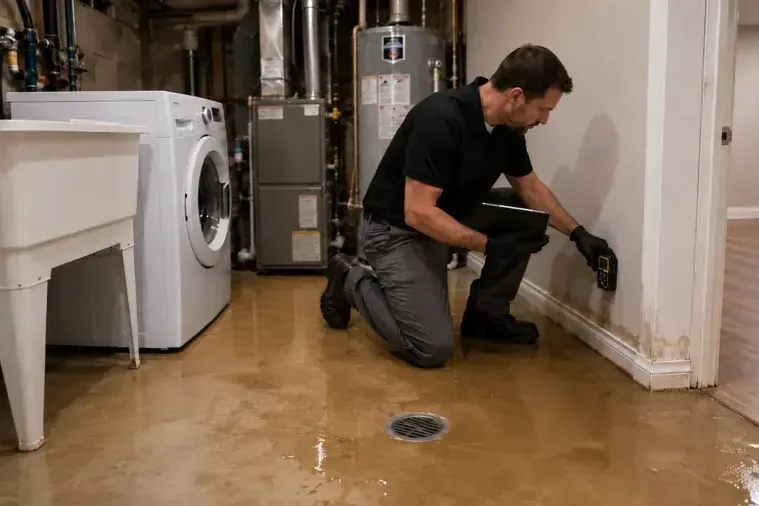
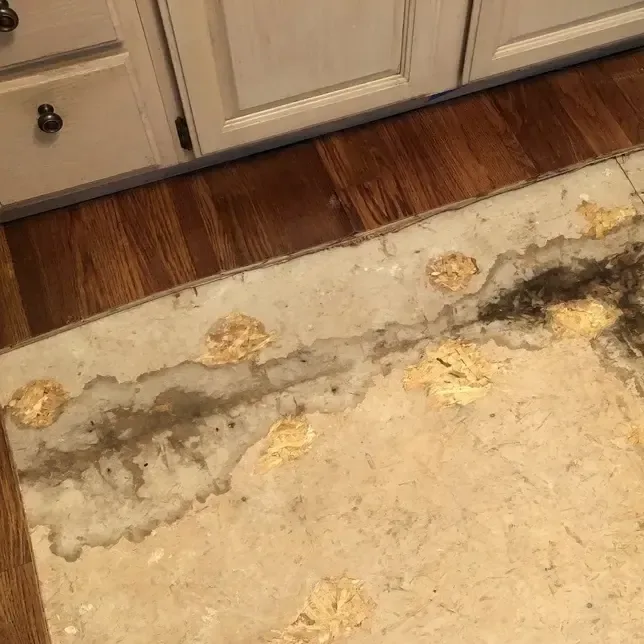
Examples of inspection, extraction and affected surfaces
Water damage help across Cudahy
Community reference points
ZIP areas
Other service areas
Describe the source and rooms that need access
Cudahy homes, rental units and businesses receive inspections that follow the building layout and observed water route. Access to adjoining rooms may need coordination.
The service area directory and restoration overview connect additional cleanup information.
Cudahy, CA · [email protected]
Access matters in a rental community
The large rental share makes adjoining unit checks especially relevant when water crosses a shared ceiling, floor or wall. Every decision still depends on conditions inside the affected property.
2010 housing snapshot The 2010 Census recorded 82 percent of occupied Cudahy homes as rented, making communication about adjoining unit access relevant during water inspections.
- 01Shared spaces A ceiling, wall or continuous floor may connect rented rooms. Permission for adjoining access can be needed to establish the full wet boundary.
- 02Occupied routes Equipment and debris need controlled paths while residents use unaffected rooms. An available doorway should remain safe to pass.
- 03Hidden edges Cabinet undersides and layered flooring can retain moisture after visible water clears, requiring inspection beyond the exposed surface.
- 04Rain entry An opening and its indoor water path require property assessment. A city or regional label cannot establish parcel exposure.
- 05Utility context Tract 349 Mutual Water Company serves community stockholders. Indoor source diagnosis still depends on findings at the affected building.
Cudahy cleanup questions
Identify the next inspection
Describe the source, affected rooms and visible materials so the first inspection can focus on safety, spread and practical access.
(888) 563-9619(888) 563-9619Discuss the wet roomsWhat should happen before water removal?
The source should be controlled when safe, hazards should be isolated and the visible water path should be photographed. Those details preserve the starting condition before extraction changes it.
Why check a neighboring unit or room?
Water can move through connected flooring, wall cavities and ceiling openings. In a building with rentals, a check beyond the first stain can reveal spread that has not appeared at the surface.
How is the wet boundary established?
Technicians combine visual signs with readings from floors, walls and trim. Comparison readings in unaffected materials help distinguish the confirmed drying area from normal background conditions.
Does every wet finish need removal?
No single answer fits every material. Water category, absorption, cleanliness, access and structural condition determine whether a finish can be cleaned and dried or needs controlled removal.
What records support an insurance discussion?
Wide photographs, close views, source notes, initial measurements, cleaning records and final comparisons create a timeline. The carrier still decides coverage according to the policy.
How long should equipment remain?
Air movers and dehumidifiers stay tied to measured conditions rather than a preset schedule. The layout may change as surfaces release moisture and individual areas reach their dry targets.
Can rainwater be treated like a clean pipe leak?
The team considers where rain traveled and what it contacted before assigning cleaning steps. Water that crossed exterior soil or dirty surfaces may require a different plan.
What affects restoration cost?
The source, number of wet rooms, contamination, material access and drying duration all influence scope. An inspection separates salvageable finishes from work requiring removal or added cleaning.
Where does service run in the city?
Service covers homes, rentals and businesses around Rancho San Antonio, Cudahy Library and the local learning centers, with each scope based on findings at that property.
Put the source and wet boundary on record
A measured inspection can connect visible water with the hidden surfaces that also need attention.
(888) 563-9619Arrange a property check