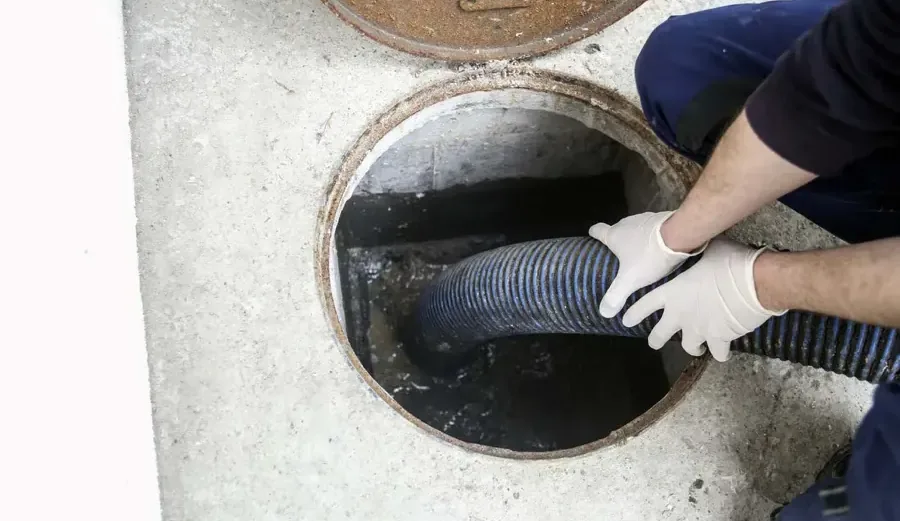
A sewage backup changes a room from a routine wet area into a contamination problem. The safest first response limits contact, preserves information about the source, and leaves removal and cleaning decisions to a controlled work plan.
Key takeaways
- Keep occupants and pets outside rooms reached by sewage water or tracked debris.
- Do not use household fans before the contaminated area is contained and prepared.
- Report every affected drain, fixture, room, and adjoining surface without assigning an unsupported cause.
- Photograph from a safe position and preserve repair, disposal, cleaning, and moisture records.
- Drying begins after gross contamination is removed and remaining surfaces are ready for treatment.
Treat the backup as a contact hazard
Sewage can carry waste, debris, and substances that make ordinary mopping inadequate. Shallow water can still soak carpet cushion, wallboard, unfinished cabinet material, and belongings resting on the floor.
Foot traffic can move that material into hallways and otherwise unaffected rooms.
The first useful action is to close the area. Children and pets should remain elsewhere, and anyone near the boundary should avoid wet electrical components or unstable finishes.
The Stanton sewage cleanup service begins with controlled access, not with a promise that every surface can be saved.
- Block normal traffic through the affected room.
- Keep food and personal items away from splash areas.
- Avoid wet outlets, cords, and powered equipment.
- Do not carry contaminated belongings into clean rooms.
Report the source without guessing
A backup may appear at one fixture while the restriction or failure lies elsewhere. The property contact or plumbing professional needs a clear description of which drains changed, whether water is still rising, and what happened before the overflow.
A restoration crew can document contamination and building damage, but source diagnosis remains a separate task.
Stanton Public Works maintains an extensive sanitary sewer main system. A plumber can investigate the affected connection and identify where the blockage or failure occurred.
Those findings determine the repair, while the cleanup team documents sewage contact inside the property.
- List every fixture that overflowed or drained slowly.
- Note whether the discharge stopped or continues.
- Keep plumbing findings with the cleanup record.
- Avoid assigning ownership before it is confirmed.
Preserve evidence from outside the wet zone
Wide photographs can show the room layout, water boundary, and route toward doors or walls. Closer images can capture debris, staining, floor transitions, and affected contents.
No photograph is worth stepping into sewage or reaching across a wet electrical area.
The record should also include the discovery time, people notified, safe shutoff actions, and any emergency plumbing work. Contents should be photographed before disposal.
An insurance carrier decides coverage, but photographs and dated work records make the observed condition easier to assessment.
- Photograph the boundary from a dry location.
- Record contact with rugs, boxes, and furniture.
- Save plumbing invoices and source notes.
- Document discarded material before it leaves.
Why porous materials receive close scrutiny
Carpet cushion, wallboard, insulation, and unfinished composite products can absorb contaminated water beyond a cleanable face. Their internal structure may prevent thorough treatment or make verification impractical.
Controlled removal creates access to durable framing or subfloor surfaces that can be cleaned and dried.
Durable finishes are not automatically retained. Cracks, seams, fasteners, and inaccessible undersides can hold contamination.
The cleanup team assesses exposure and condition, then records why a component remained or was removed. Accessible standing water may be handled through water extraction methods, but sanitation requirements still govern the overall scope.
- Separate porous contents by contact and condition.
- Open only the assemblies supported by findings.
- Remove gross debris before detailed cleaning.
- Keep waste movement on a protected route.
Cleaning precedes structural drying
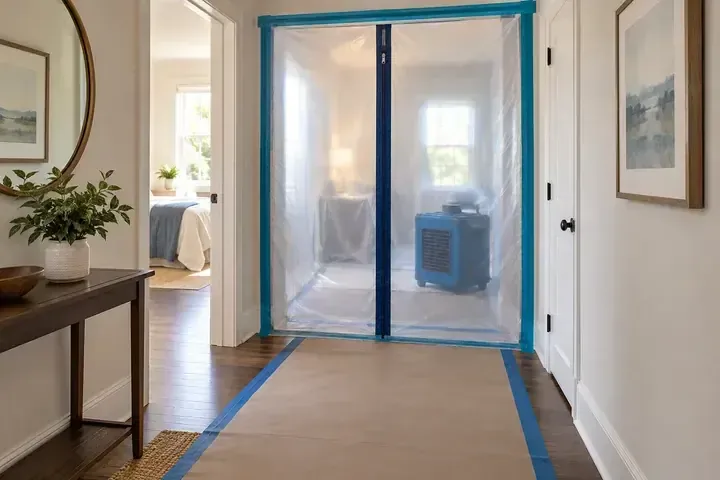
Drying equipment should not spread untreated contamination. The work zone first needs liquid removal, debris handling, necessary porous material removal, and cleaning of reachable durable surfaces.
Only then can controlled airflow and dehumidification support retained materials without distributing residue through the property.
Technicians check edges, wall junctions, fixture bases, and opened cavities rather than cleaning only the center of the floor. Progress readings track moisture in the remaining structure.
Readings at accessible cavity surfaces help determine when retained materials have reached their drying targets.
- Prepare the area before directing airflow.
- Clean exposed edges and low points carefully.
- Monitor retained wood and wall materials.
- Keep unaffected rooms outside the work boundary.
Build a complete closeout record
A useful file connects the initial overflow to source correction, removal, cleaning, and final moisture results. It can include room photographs, plumbing documents, a list of removed materials, cleaning notes, equipment records, and readings from consistent monitoring points.
Property owners can ask the carrier what the policy requires and how contents or reconstruction should be handled. The carrier interprets coverage.
The restoration team documents the authorized mitigation and observed material conditions. The main water damage page places sewage response beside clean water and storm services while keeping their different safety needs clear.
- Keep the initial and final photographs together.
- Match removal notes to each affected room.
- Save cleaning and drying records by date.
- Request final moisture comparison information.
Prevent cross contamination during reconstruction
After mitigation, replacement work can bring new workers and materials into the room. The cleaned area should remain separate from stored debris, used protective items, and any porous waste awaiting removal.
New drywall, trim, or flooring should not enter until retained framing and subfloor sections have met the drying goal.
The closeout conversation can identify what the cleanup covered and what belongs to reconstruction. That boundary matters because a clean, dry assembly may still need cosmetic repair, while a finished looking surface may hide work that was never verified.
Written room notes give the next trade a dependable starting condition.
- Keep removed waste away from replacement materials.
- Verify retained surfaces before they are covered.
- Share relevant room records with the next trade.
- Separate mitigation completion from cosmetic repair.
Questions
Can household bleach and a mop handle a small backup?
A small visible area can still involve porous material, seams, and tracked contamination. The source, water route, contacted materials, and ability to reach every surface determine whether professional controls are needed.
Should fans be placed in the room immediately?
No uncontrolled fan should move air across untreated sewage. The area first needs containment, extraction, debris removal, and appropriate cleaning before a planned drying setup begins.
Can carpet be cleaned after sewage water reaches it?
Carpet and cushion are porous and can hold contamination below the face. Their exposure and condition require careful assessment, and contaminated porous flooring commonly needs controlled removal.
What if the backup came from a public sewer?
The indoor condition still needs immediate safety and cleanup attention. A qualified source investigation and the appropriate authority determine cause or responsibility. The restoration record should avoid assumptions.
When can occupants use the room again?
Use should resume only after the source is controlled, contaminated materials are addressed, remaining surfaces are cleaned, and the retained structure reaches documented drying goals.