Storm while Flood Cleanup in Newport Beach, CA
Floodwater inside a building can leave debris, contamination and concealed moisture after the street clears. Newport Beach restoration assesses safe entry, documents the interior exposure and sequences removal, cleaning and drying around the affected materials.
(888) 563-9619Describe the Newport Beach flood entry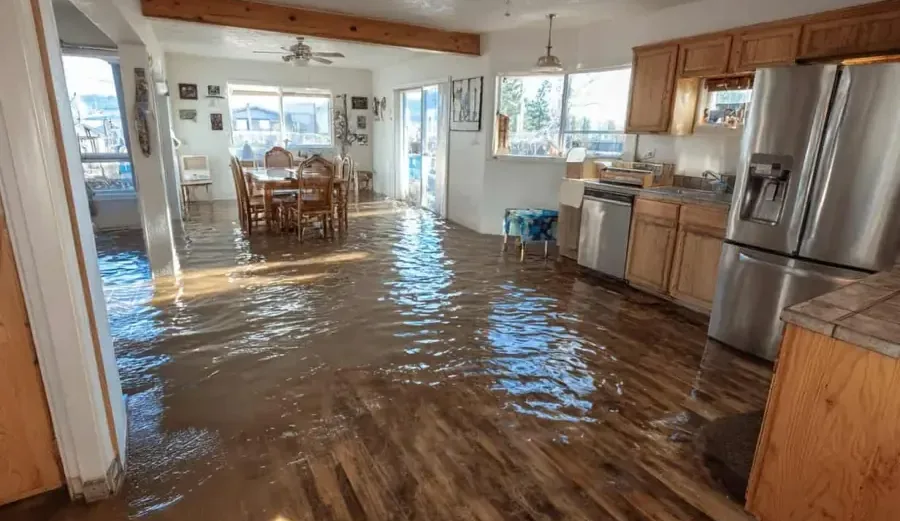
Why the drying plan matters for storm and flood cleanup
Rapid local response
The response team dispatches 24/7 for active storm and flood cleanup. The first priority is stopping additional spread and mapping every wet material.
IICRC S500 drying standard
The drying team sizes extraction, air movement and dehumidification to the water category and class of loss, then verifies the drying goal with readings.
Claim-ready documentation
The claim file can include a moisture map, daily psychrometric logs, category and class notes, and timestamped photos before removal begins.
Stanton water experts
The walkthrough follows water along Beach Boulevard, Katella Avenue and Western Avenue properties without assuming that visible staining marks the full loss.
What to do right now for storm and flood cleanup in Newport Beach
- Wait for safe access: Occupants should follow applicable access restrictions and avoid entering water where hazards remain unassessed.
- Keep dry space protected: Unaffected rooms and belongings should remain outside the cleanup route, with children and pets kept clear of flood-contact materials and wet debris.
- Document safely: Photos of water marks and exposed contents can preserve the initial condition when they can be taken without entering an unsafe area.
- Explain continued entry: The first description should identify whether water is still arriving and which doors, rooms or building surfaces appear to be involved.
What does storm and flood cleanup cost in Newport Beach, CA?
Flood cleanup pricing depends on contaminated area, contents exposure, porous material removal and drying access. The written scope should distinguish interior restoration from separate exterior protection, drainage work and finish reconstruction.
Contained zone
- Stormwater mapping
- Water removal
- Drying tests
Extended finishes
- Material removal
- Surface treatment
- Moisture monitoring
Complex scope
- Selective removal
- Condition documents
- Stormwater coordination
Documentation for your insurance claim
The restoration contractor records the source, category, class, moisture map and daily readings. Sudden and accidental water damage and exterior flooding are treated differently. Coverage depends on the policy, so the property owner should check with the insurer. The water damage cost calculator offers a planning range.
How crews handle storm and flood cleanup in Newport Beach
Assess the building exposure
The crew records entry observations, utility concerns and affected materials, distinguishing the property’s actual loss from coastal conditions and drainage activity.
Remove the wet load
Extraction and controlled material handling reduce standing water and unsuitable porous finishes while maintaining separation between contaminated work routes and protected interior space.
Clean before equipment drying
Retained surfaces receive appropriate cleanup, with access decisions addressing concealed contact areas before airflow and humidity control serve the remaining wet assembly.
Record the recovery scope
Final photographs and moisture readings explain the completed interior work, while exterior source concerns, access limitations and reconstruction needs remain clear for the owner.
In October 2026, high tide and storm swell flooded Balboa Peninsula streets, homes and businesses. Newport Beach declared a local emergency, while crews operated pumps, opened tidal valves and built a sand berm. That documented event provides concrete coastal context. The cleanup inside any particular building still depends on its entry points, utilities, materials and the water that actually reached them.
Street recovery and interior recovery are separate
Water can leave the street while wall bottoms, flooring and contents remain affected indoors. City drainage measures address exterior conditions; property restoration addresses the building. The crew needs safe access and an assessment of continued entry before equipment or personnel move into the wet area. Occupants should avoid water near electrical components and any room with unstable materials.
The city identifies Balboa Island and Newport Island among areas vulnerable during unusually high tides. Damage varies with each building’s entry points, elevation, contents and material exposure. A recorded water mark, an affected threshold and interior measurements are more useful for defining one property’s restoration scope than a broad neighborhood assumption.
Preserve evidence of the water route
Initial photographs connect the outside opening, where safely accessible, with the rooms and belongings reached inside. The record should show which surfaces had direct water contact and which stayed protected. Material handling routes are planned so wet debris does not pass through clean rooms without control. Contents requiring separate assessment remain distinguishable from the structural work.
- Record doorways, wall bases and floor transitions along the entry path.
- Separate exposed contents from dry items before movement.
- Identify utility concerns and restricted areas for the property contact.
- Document concealed edges revealed by necessary material removal.
Coastal water can leave an interior loss after outside conditions improve.
(888) 563-9619Describe the entry and exposureAddress contamination before the final dry-out
Exterior floodwater may carry soil, waste and debris into absorbent materials. Extraction reduces the pool but cannot by itself establish a clean assembly. The contractor evaluates porous finishes, explains suitable removal and cleans retained surfaces before ordinary drying proceeds. The water extraction response forms one part of that larger sequence.
A finish that looks intact may conceal a wet or contaminated layer beneath it. Access decisions should be tied to the actual construction and exposure. The team records why a material remains or is removed, giving the owner an understandable account rather than a list of unexplained demolition areas.
Use material readings to plan the handoff
After cleaning, retained walls, floors and framing need their own drying assessment. Monitoring points show where moisture remains and whether equipment adjustments are helping. A slow section may need renewed inspection for trapped layers or continued entry. Completion should be supported by those observations, not simply by the appearance of a clean floor.
The Newport Beach restoration overview connects other water losses that may be discovered during the work. Final documentation separates exterior protection, interior cleanup, drying and reconstruction needs. Any unresolved opening or inaccessible area remains identified before new finishes are installed, allowing the owner to coordinate the next stage without hiding unfinished work.
Act on the readings
The drying team follows mapped material readings, keeps people away from hazards and changes the plan when the daily log shows a stalled area.
Storm and flood cleanup across Newport Beach and nearby communities
Flood cleanup serves Newport Beach properties on the Balboa Peninsula, Balboa Island and Newport Island. Safe access and the observed entry route establish the interior scope, with material decisions based on each building’s actual exposure.
The same service nearby: storm and flood cleanup in Stanton, Tustin, South Gate.
Water damage restoration in Newport Beach · every town covered
Dispatch is available around the clock for active water losses throughout the listed area.
Related water damage services in Newport Beach


Storm and Flood Cleanup questions in Newport Beach, CA
Still dealing with it?
Coastal water can leave an interior loss after outside conditions improve.
(888) 563-9619(888) 563-9619Describe the entry and exposureDoes a drained street mean the building is dry?
No. Flooring, walls and contents can retain water after exterior conditions improve. The interior needs its own inspection, cleanup and recorded material drying before repair begins.
Is every harbor property assigned the same flood scope?
No. Entry height, construction, utilities and actual contact vary. Local coastal exposure provides context, while observations at the building determine what needs removal, cleaning and drying.
Why might a floor that looks intact need access?
Water and contamination can remain beneath the visible finish. The contractor should explain whether inspection or removal is needed to reach the affected layers and treat them properly.
Can air movers start as soon as the pool is gone?
The contamination assessment and necessary cleaning come first. Ordinary drying equipment should be introduced as part of a suitable sequence for the retained materials and their exposure.
What should be photographed before removal?
Useful records include entry points, water marks, affected rooms and contents. Photos should connect details with their location and be taken only where access is safe.
How does the final record help the next contractor?
It distinguishes completed cleanup and drying from exterior protection or finish repairs still needed. It should also identify inaccessible sections so reconstruction does not conceal an unresolved condition.
Arrange Newport Beach flood restoration assessment
The team can document affected rooms, plan controlled removal and cleaning, and verify drying of retained materials before the property moves toward repair.
(888) 563-9619Discuss safe interior flood cleanup