Commercial Water Damage in Tustin, CA
A wet Tustin workplace needs an area by area plan: protect staff routes, record inventory conditions and separate extraction from clean stock. Drying phases follow the building layout and operational constraints.
(888) 563-9619Plan the business response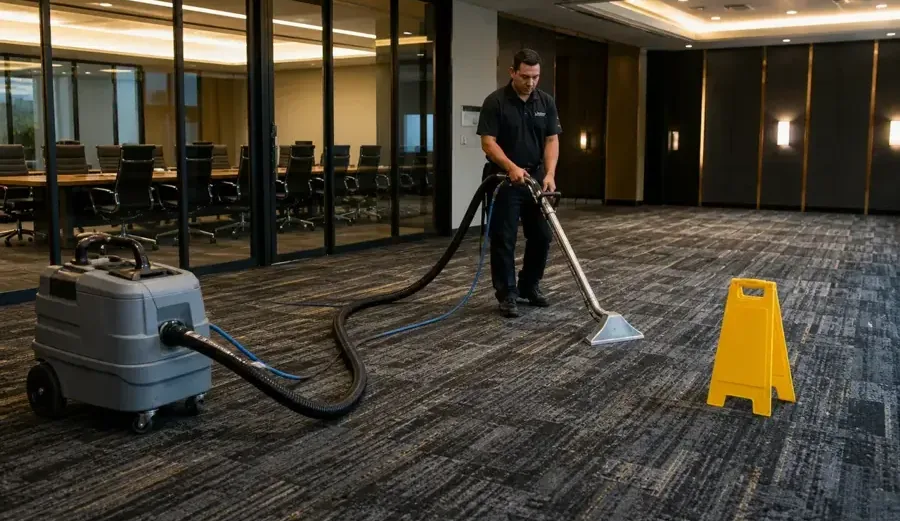
Why the drying plan matters for commercial water damage
Rapid local response
The response team dispatches 24/7 for active commercial water damage. The first priority is stopping additional spread and mapping every wet material.
IICRC S500 drying standard
The drying team sizes extraction, air movement and dehumidification to the water category and class of loss, then verifies the drying goal with readings.
Claim-ready documentation
The claim file can include a moisture map, daily psychrometric logs, category and class notes, and timestamped photos before removal begins.
Stanton water experts
The walkthrough follows water along Beach Boulevard, Katella Avenue and Western Avenue properties without assuming that visible staining marks the full loss.
What to do right now for commercial water damage in Tustin
- Protect staff and visitors: Close areas with electricity, sewage, unstable finishes or slippery floors and redirect ordinary traffic.
- Notify property contacts: Share the source and affected rooms with the building representative, tenant contact and relevant repair trade.
- Preserve inventory evidence: Photograph water paths, contacted stock and rooms taken out of service before safe movement begins.
- Separate unaffected work: Keep clean access, dry stock and normal operations away from extraction routes, debris and equipment.
What does commercial water damage cost in Tustin, CA?
Commercial restoration costs depend on wet areas, inventory handling and restrictions on access. A written scope assigns extraction, cleaning and drying to specific zones so the property contact can review each phase.
Contained area
- Business mapping
- Water removal
- Drying tests
Extended materials
- Material access
- Local machinery
- Progress examines
Complex scope
- Selective removal
- Condition documents
- Business coordination
Documentation for your insurance claim
The restoration contractor records the source, category, class, moisture map and daily readings. Sudden and accidental water damage and exterior flooding are treated differently. Coverage depends on the policy, so the property owner should check with the insurer. The water damage cost calculator offers a planning range.
How crews handle commercial water damage in Tustin
Define working zones
The team marks affected, transition and clean areas so people, tools and debris follow controlled routes.
Stage urgent removal
Standing water and sensitive contents receive priority while initial business conditions remain documented.
Coordinate approved access
Work periods, equipment placement and contacts reflect the operation without promising that every space stays open.
Report results by area
Cleaning status and moisture readings allow completed zones to leave mitigation independently. Each report gives property contacts a current boundary, access status and next documented decision.
A business water loss affects staff movement, stock and tenant access as well as building finishes. Old Town Tustin is the historic commercial center; Tustin Legacy and the District area add other commercial settings. Each property needs its own work sequence, with clean inventory kept clear of extraction routes and wet materials.
Safe zones bring order to the first response
The building is divided into affected, transition and clean areas. Wet electrical components, slippery surfaces, sewage and unstable finishes stay outside ordinary traffic. A named property contact helps the crew confirm access, approved work periods and which contents require immediate documentation.
- Staff and visitors receive a route away from the affected area.
- Dry stock stays separated from water, debris and equipment cords.
- Photographs capture inventory contact before movement.
- Source repair is coordinated with the appropriate building trade.
Extraction is staged around material sensitivity
Standing water and vulnerable contents receive early attention where access is safe. The crew maps floors, walls, cabinets and adjoining rooms rather than treating the business as one drying zone. This makes it possible for separate areas to progress according to their own materials and contamination conditions.
The local commercial water service can include phased extraction and drying. Continued operation is never assumed; the property representative decides how the business functions using current safety and access information.
Business losses need clear zones and current progress records.
(888) 563-9619Explain the affected operationInventory and structural work keep separate records
Wet stock is photographed, identified by location and separated according to material and condition. Structural readings remain organized by room or zone. This separation helps property and tenant contacts understand whether a current task concerns belongings, building finishes or source repair.
- Removal routes avoid clean storage and public areas.
- Each zone keeps its own cleaning and moisture status.
- Completed rooms remain protected from active debris movement.
- Access limitations are noted instead of treated as inspected space.
Phased completion reduces confusion
One room may reach its dry goal while another still needs access or equipment. Zone reports identify what is active, what has completed cleaning and what remains pending. Repeat measurements support releasing areas without waiting for every part of the building to finish at once.
Businesses can compare related options through the local water damage hub. Final commercial records connect the source, inventory notes, zone boundaries, authorized work and measured results for owners, tenants and insurance discussions.
Commercial contents may carry operational value even when they are not visibly damaged. Records, stock, fixtures and equipment should be evaluated without inventing a replacement decision for the business. The property contact can identify priorities, while the mitigation crew documents water contact and safe movement. Temporary relocation should preserve item labels and original room locations. If a dry storage area receives moved inventory, that space needs protection from wet packaging and equipment traffic. These steps let structural work proceed without losing the business context around each item and help separate mitigation observations from later ownership or coverage decisions.
Act on the readings
The drying team follows mapped material readings, keeps people away from hazards and changes the plan when the daily log shows a stalled area.
Commercial water damage across Tustin and nearby communities
Business water cleanup serves Old Town Tustin, Tustin Legacy and the District area. Work boundaries account for visitors, staff movement and stock storage, while measured material conditions determine the drying sequence within each property.
The same service nearby: commercial water damage in Stanton, Newport Beach, South Gate.
Dispatch is available around the clock for active water losses throughout the listed area.

Commercial Water Damage questions in Tustin, CA
Still dealing with it?
Business losses need clear zones and current progress records.
(888) 563-9619(888) 563-9619Explain the affected operationCan a business remain open?
That depends on safety, contamination, access and separation. The property representative decides using current findings.
How is wet inventory handled?
Affected stock is photographed and separated by material and condition without crossing clean storage or public routes.
What reduces operational confusion?
A zone map, designated contact, access plan and current moisture updates give decision makers a shared record.
Can drying proceed in phases?
Yes, when conditions allow. Each area keeps separate cleaning, equipment and moisture documentation.
Who repairs the failed source?
The appropriate plumbing, roofing or equipment trade repairs it. Mitigation addresses indoor water and affected materials.
What supports an insurance discussion?
Initial photographs, inventory notes, authorization, moisture maps and final comparisons document the completed work.
How can moved inventory remain organized during mitigation?
Items can be photographed in place, labeled by original zone and separated by wetting or material before relocation. A protected holding area keeps dry stock away from damp packaging, debris and equipment traffic while preserving enough location information for business contacts. The item record should also note whether packaging, shelving or adjacent stock remained dry. That detail prevents a moved item from being mistaken for a confirmed water contact and helps structural access proceed without losing inventory context.
Identify protected access and storage areas
A business can have completed rooms beside active drying areas. Clear boundaries and progress records help the property contact distinguish usable space from zones still requiring access and equipment.
(888) 563-9619Arrange a commercial site assessment