Commercial Water Damage in South Gate, CA
Water in a business can affect stock, work areas and shared building systems. A commercial assessment identifies the wet boundary, protects unaffected space and documents removal and drying around safe access and operating needs.
(888) 563-9619Discuss the South Gate business loss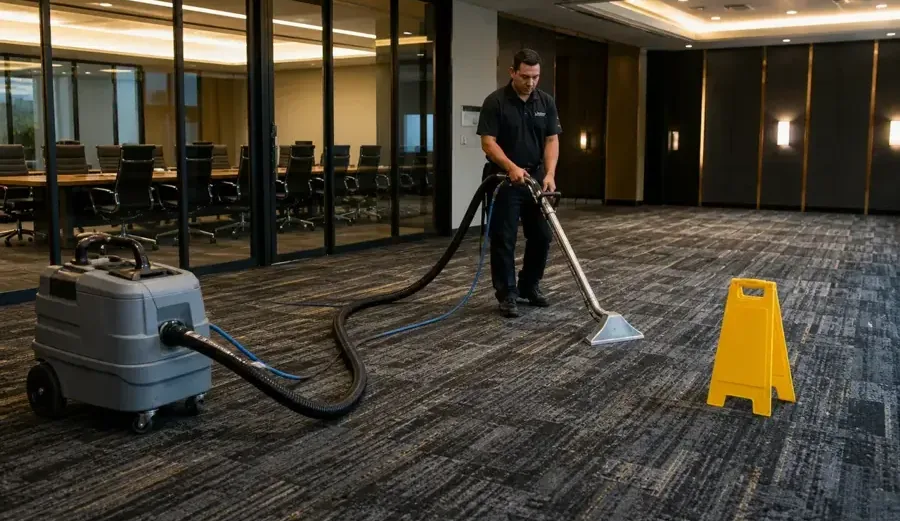
Why the drying plan matters for commercial water damage
Rapid local response
The response team dispatches 24/7 for active commercial water damage. The first priority is stopping additional spread and mapping every wet material.
IICRC S500 drying standard
The drying team sizes extraction, air movement and dehumidification to the water category and class of loss, then verifies the drying goal with readings.
Claim-ready documentation
The claim file can include a moisture map, daily psychrometric logs, category and class notes, and timestamped photos before removal begins.
Stanton water experts
The walkthrough follows water along Beach Boulevard, Katella Avenue and Western Avenue properties without assuming that visible staining marks the full loss.
What to do right now for commercial water damage in South Gate
- Identify the property contact: The property contact should coordinate access and communication between the business, owner and contractors addressing the loss.
- Keep people outside hazards: Staff and visitors should avoid wet electrical equipment, unstable ceilings, contaminated water and any area awaiting a safe access assessment.
- Record exposed contents: Photos of stock and equipment from safe positions help preserve the initial condition before movement or cleanup changes the area.
- Describe operating restrictions: The contact should explain access hours and critical routes so planning accounts for operating needs and safe work boundaries.
What does commercial water damage cost in South Gate, CA?
Commercial cleanup costs depend on affected materials, contents exposure, contamination and access restrictions. A written scope should distinguish structural restoration from specialist equipment work, stock decisions and later building repairs.
Contained zone
- Business mapping
- Water removal
- Drying checks
Extended assemblies
- Material access
- Equipment planning
- Area monitoring
Complex scope
- Selective removal
- Condition notes
- Business coordination
Documentation for your insurance claim
The restoration contractor records the source, category, class, moisture map and daily readings. Sudden and accidental water damage and exterior flooding are treated differently. Coverage depends on the policy, so the property owner should check with the insurer. The water damage cost calculator offers a planning range.
How crews handle commercial water damage in South Gate
Map the business loss
The assessment identifies the source, wet assemblies and contents exposure while the property representative explains access restrictions and the relationships between work areas.
Establish protected routes
Equipment, debris movement and material removal are arranged around a defined work boundary, with dry contents and unaffected space kept separate from cleanup activity.
Monitor by affected area
Extraction, cleaning and drying are tracked for individual sections so changes in one room do not obscure incomplete work or unresolved source conditions elsewhere.
Document the next steps
The handoff distinguishes completed restoration from building repairs, contents decisions and equipment servicing, helping the property contact coordinate remaining work.
A commercial water loss creates several decisions at once. The source needs attention, affected contents must be recorded and the property contact needs to understand which areas can be accessed safely. Restoration planning starts with the observed damage and the business’s actual layout. Continued operation is a condition to assess, not a promise that every unaffected-looking room can remain open.
Establish a clear contact and work boundary
The person coordinating the loss should identify available rooms, shared utilities and any restrictions on access. The contractor documents wet areas before setting equipment routes or moving stock. This helps keep cleanup decisions connected when tenants, owners and separate trades are involved. Changes to the source or room availability should be recorded as the job develops.
At Tweedy Mile premises, the inspection connects the building’s actual construction with the operating requirements described by the property contact. A loss there may require protected movement around unaffected space. The assessment identifies the actual wet floor, wall or ceiling assembly and explains any separation needed before ordinary activity continues nearby.
Record contents without confusing them with the building
Stock, furnishings and business equipment can require different handling from flooring and walls. The crew photographs exposure and identifies items that need assessment by the appropriate specialist. Dry contents should not be mixed with affected material during movement. The work record distinguishes contents handling from structural cleanup so each decision remains understandable.
- Identify the source and areas requiring immediate restriction.
- Document affected stock before it is moved or discarded.
- Establish equipment and debris routes away from protected space.
- Keep access available for later readings and inspections.
A business loss needs clear boundaries and an accountable work record.
(888) 563-9619Describe the affected operating areasMatch cleanup to the source and materials
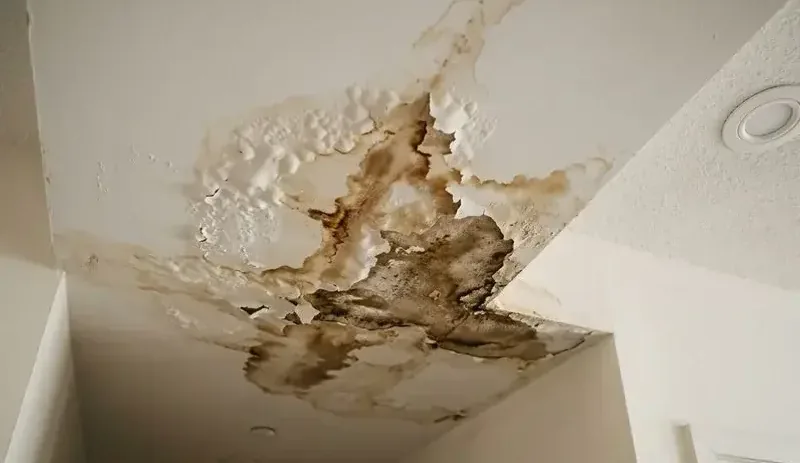
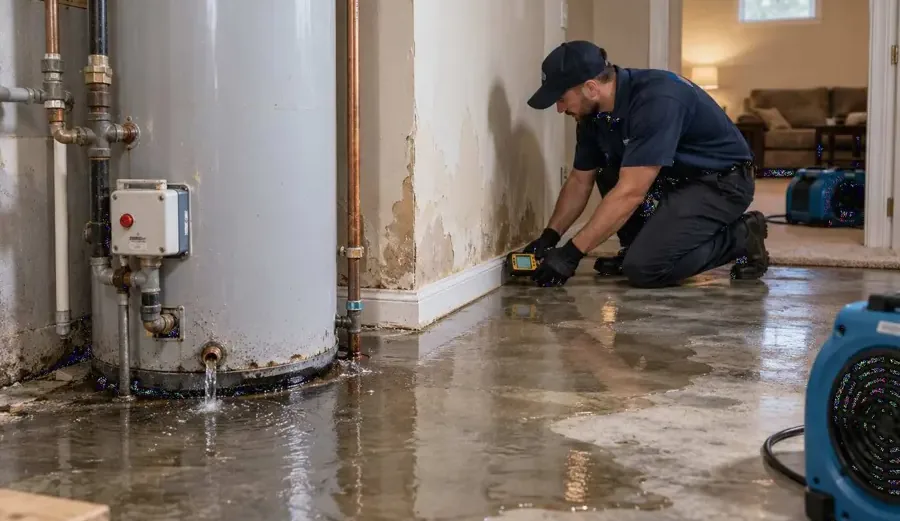
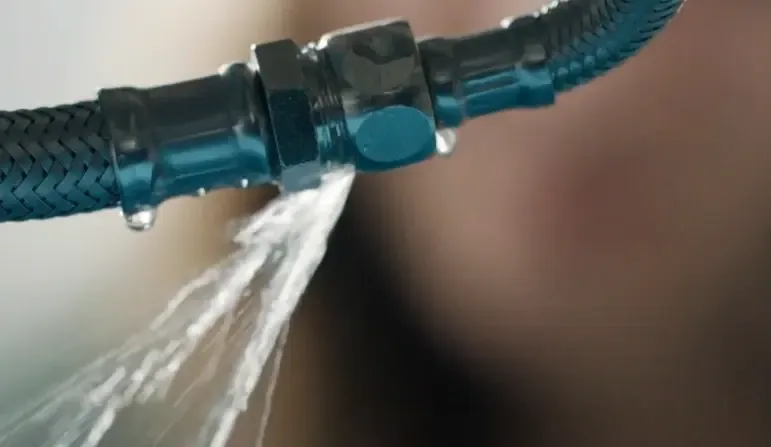
A supply leak, exterior flood and drain backup have different contamination implications. Extraction alone does not resolve all of them. Material removal and cleaning requirements follow the exposure, while wet assemblies are mapped beyond the visible puddles. The sewage cleanup service explains additional controls when a drain release affects the premises.
For a business near Tweedy Boulevard, the contractor may need to discuss stock storage, room access and equipment placement with the property representative. Those arrangements cannot substitute for checking concealed flooring or wall moisture. Dry-looking adjoining space should be assessed where the water route suggests spread.
Track progress by area rather than by impression
Each affected section should have identifiable monitoring points and a clear status. A completed room is different from a room still awaiting source repair or material access. This distinction supports practical scheduling and avoids removing equipment from an unfinished assembly simply because another part of the building improved.
Work near Imperial Highway may involve coordination with a landlord or another occupant. The water damage service overview connects other water restoration needs, while the final commercial record summarizes removal, cleaning and drying by affected area. Remaining construction, equipment or source repairs should be listed separately so the next trade and property contact know exactly what remains before reopening or normal use.
Act on the readings
The drying team follows mapped material readings, keeps people away from hazards and changes the plan when the daily log shows a stalled area.
Commercial water damage across South Gate and nearby communities
Commercial water restoration covers South Gate premises around Tweedy Mile, Tweedy Boulevard and Imperial Highway. The business layout, source conditions and affected materials determine safe work boundaries, access arrangements and the documented drying plan.
The same service nearby: commercial water damage in Stanton, Cudahy, Bell.
Dispatch is available around the clock for active water losses throughout the listed area.
Commercial Water Damage questions in South Gate, CA
Still dealing with it?
A business loss needs clear boundaries and an accountable work record.
(888) 563-9619(888) 563-9619Describe the affected operating areasCan a business stay open during drying?
That depends on safe access, contamination, utilities and the work boundary. The contractor and property contact should assess the actual conditions rather than assume that partial operation is suitable.
Who coordinates tenant and owner access?
The property should identify a contact who can arrange access and communicate restrictions. Clear coordination helps the contractor inspect connected spaces and explain changes in the restoration scope.
Are stock and building damage recorded together?
They relate to the same event but need distinct records. Contents exposure, movement and specialist assessment should remain distinguishable from flooring, walls and other structural restoration work.
Why measure adjoining rooms that look unaffected?
Water may move beneath finishes or through shared assemblies. Inspection follows the observed route so a dry-looking room does not conceal an untreated part of the loss.
Can equipment be moved around business activity?
Adjustments should be coordinated with the restoration team. Moving units or blocking test points can interrupt the drying plan and make later measurements less useful.
What supports a phased handoff?
Area-specific records show completed removal, cleaning and moisture results. They should also identify unfinished sections and separate repairs so normal use does not conceal work that remains outstanding.
Plan the South Gate commercial assessment
The team can document exposed contents and wet assemblies, establish safe work routes and track extraction, cleaning and drying with the property representative.
(888) 563-9619Discuss access and business water damage