Storm and Flood Cleanup in Bell, CA
Water entering from outside brings questions about what it crossed before reaching the floor. Bell storm cleanup documents that route, separates affected rooms and plans removal, cleaning and drying around the materials actually contacted.
(888) 563-9619Report where stormwater entered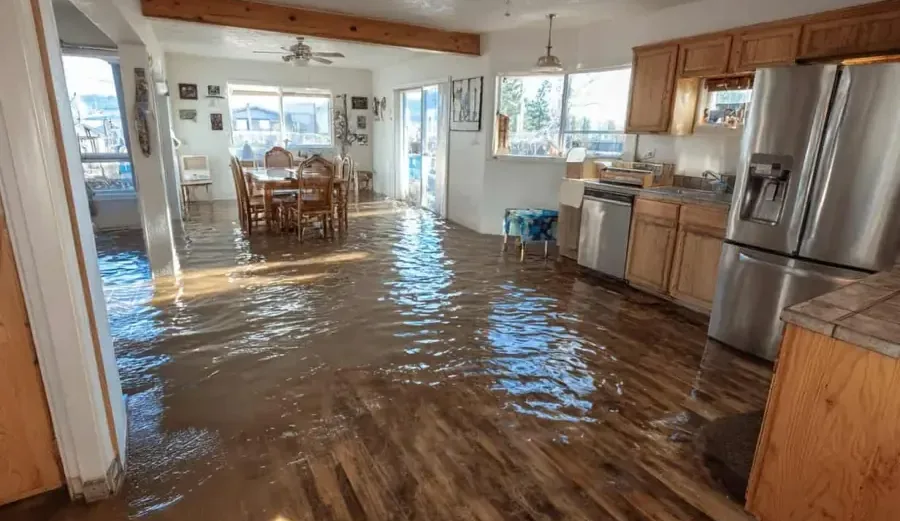
Why the drying plan matters for storm and flood cleanup
Rapid local response
The response team dispatches 24/7 for active storm and flood cleanup. The first priority is stopping additional spread and mapping every wet material.
IICRC S500 drying standard
The drying team sizes extraction, air movement and dehumidification to the water category and class of loss, then verifies the drying goal with readings.
Claim-ready documentation
The claim file can include a moisture map, daily psychrometric logs, category and class notes, and timestamped photos before removal begins.
Stanton water experts
The walkthrough follows water along Beach Boulevard, Katella Avenue and Western Avenue properties without assuming that visible staining marks the full loss.
What to do right now for storm and flood cleanup in Bell
- Wait for stable conditions: Do not enter where water is rising, floors feel uncertain, ceilings sag or electrical components may have become wet.
- Reduce new entry cautiously: A safe ground level temporary measure may limit rain only when it adds no climbing or electrical risk.
- Separate clean rooms: Close doors and keep dry possessions away from the water route so soil and debris stay inside the affected zone.
- Capture the storm path: Photograph the opening, floor water and highest visible marks before extraction removes evidence of the route.
What does storm and flood cleanup cost in Bell, CA?
Storm cleanup costs reflect the entry route, contamination, contacted finishes and access for removal. Inspection separates water recovery, cleaning and drying from exterior corrections or later replacement work at the property.
Contained storm entry
- Entry survey
- Water extraction
- Contact mapping
Several affected rooms
- Material removal
- Surface cleaning
- Drying monitoring
Complex exterior water loss
- Zone separation
- Debris coordination
- Completion records
Documentation for your insurance claim
The restoration contractor records the source, category, class, moisture map and daily readings. Sudden and accidental water damage and exterior flooding are treated differently. Coverage depends on the policy, so the property owner should check with the insurer. The water damage cost calculator offers a planning range.
How crews handle storm and flood cleanup in Bell
Assess entry and access
The team records the route and hazards before arranging equipment, keeping occupants away from unstable surfaces or electrical exposure in affected rooms.
Recover water and identify contact
Extraction reveals floor and wall conditions while the assessment distinguishes cleanable surfaces from porous material requiring controlled removal from the property.
Clean the retained work area
Debris and contamination are addressed before airflow is arranged, with protected paths preventing dirty traffic from entering rooms outside the loss.
Verify the indoor recovery
Measurements connect cleaned materials with the drying result, while unresolved exterior entry or inaccessible sections remain identified for further action.
Rain outside a building and water inside a room are connected by a route that needs inspection. Water may cross exterior surfaces or carry debris before entering, changing the cleanup requirements once it reaches porous finishes. A storm response should document that contact rather than treat every wet floor as a simple supply leak. Safe access comes before attempts to move belongings or recover water.
Keep geography separate from the property finding
Bell sits on the west bank of the Los Angeles River. A parcel map helps owners check flood designation, while entry marks and moisture readings determine the cleanup scope inside a damaged building. The assessment records the observed entry point, water marks and contacted materials. Parcel questions require appropriate property information rather than a conclusion based solely on the city's setting.
Near Bell City Hall, a reported storm loss still needs its own source investigation. Photographs of the outside approach and indoor threshold can help preserve the route when taken safely. The water restoration hub distinguishes storm entry from pipe, appliance and roof losses that may require a different scope.
- Record where water crossed the building boundary when visible.
- Photograph debris and water marks before cleaning removes them.
- Avoid assigning a flood history to the property without supporting information.
Separate occupied rooms from the cleanup path
Water that contacted dirty exterior material requires attention to contamination as well as moisture. The crew establishes affected rooms and a route for equipment and debris that protects clean spaces. Occupants should avoid unstable surfaces, rising water and wet electrical components. Belongings that remained dry should not be moved through the dirty zone merely to clear room for equipment.
A property around Bell High School may have occupied rooms next to the water route. Their use and access must be considered during containment planning. The landmark does not imply a common building layout; the inspection identifies the actual connections. A threshold can limit visible pooling without preventing absorption beneath continuous flooring or into a wall base.
- Keep removed wet material apart from unaffected contents.
- Inspect lower walls and fixed cabinetry along the water route.
- Reassess the boundary when removal exposes hidden contact.
Stormwater cleanup begins with safe access and a record of the entry route.
(888) 563-9619Describe the threshold or opening reachedClean before concentrating on evaporation
Extraction addresses recoverable water, while material decisions address what cannot be cleaned or dried effectively in place. Durable exposed surfaces and soaked porous layers may need different treatment. The scope should state what is retained and why, with photographs supporting removal decisions. Airflow should follow the necessary cleaning rather than distribute contamination through occupied space.
Bell's 2010 Census recorded a substantial rental share. Where a storm loss affects a rented building, the property contact can coordinate access and authorize work across connected areas when warranted. Structural drying in Bell then tracks moisture in the retained components after removal and cleaning have established a suitable drying area.
Document what is ready for repair
Final inspection should distinguish a clean, dry retained component from a damaged finish that still needs replacement. The record also needs to identify any inaccessible location or continuing entry concern. A surface can look improved after cleaning while deeper layers remain wet, so completion requires more than photographs of an empty floor.
Owners benefit from a sequence showing initial contact, extraction, removals, cleaning and final material comparisons. That sequence supports discussion of the work performed without assigning insurance coverage or inventing a local storm event. Reconstruction can then begin from the documented condition of the particular building rather than an assumed citywide flood scenario.
Act on the readings
The drying team follows mapped material readings, keeps people away from hazards and changes the plan when the daily log shows a stalled area.
Storm and flood cleanup across Bell and nearby communities
Storm entry assessments cover the threshold or opening and the rooms reached indoors. Water contact and access conditions determine the cleanup boundary; geographic setting alone cannot establish the cause or flood status of a property.
The same service nearby: storm and flood cleanup in Stanton, Cudahy, South Gate.
Dispatch is available around the clock for active water losses throughout the listed area.

Storm and Flood Cleanup questions in Bell, CA
Still dealing with it?
Stormwater cleanup begins with safe access and a record of the entry route.
(888) 563-9619(888) 563-9619Describe the threshold or opening reachedIs every rainwater loss treated the same?
No. Water condition changes with its route and contacts. Entry that crossed soil or dirty exterior materials may require more cleaning and controlled removal.
Does the Los Angeles River establish parcel risk?
Flood status is checked for the individual parcel using official mapping. Property mapping and inspection of the actual entry route are needed for a parcel assessment.
What should stay untouched after entry?
Occupants should avoid wet electrical components, sagging finishes and unstable floors. Contaminated debris should remain inside the affected zone until controlled removal begins.
Can flooring dry after storm water reaches it?
That depends on material, cleanliness, attachment and access below the finish. Some surfaces allow drying, while others trap soil or lose their useful condition.
Why inspect wall bottoms?
Rainwater can collect behind trim and rise into porous wall material. Perimeter readings show whether a small access opening or finish removal is justified.
How are several rooms sequenced?
Safety and standing water lead, followed by sanitation and sensitive materials. Each zone receives separate documentation so cleaned rooms stay protected from dirty traffic.
What records help after rain entry?
Photographs of the opening, indoor water marks and contacted materials establish the starting condition. Moisture maps then connect those signs with the completed work.
Keep clean belongings outside the affected traffic path
An indoor assessment can separate water recovery, contaminated material decisions and drying requirements without assuming the flood history of the property.
(888) 563-9619Arrange an indoor storm damage assessment