Storm while Flood Cleanup in Cudahy, CA
Rain entering beneath a door or through damaged building surfaces can leave debris beyond the visible puddle. Cudahy storm response records the entry route, contacted finishes and cleanup requirements.
(888) 563-9619Evaluate indoor storm water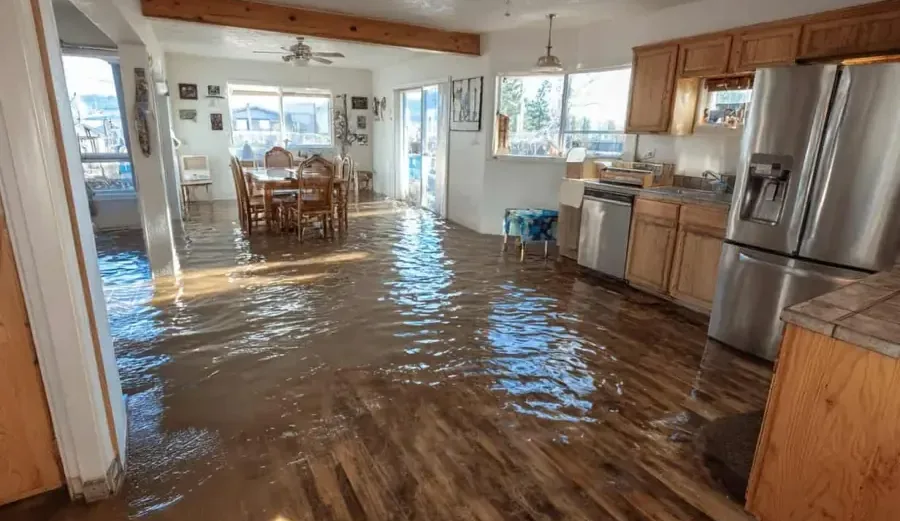
Why the drying plan matters for storm and flood cleanup
Rapid local response
The response team dispatches 24/7 for active storm and flood cleanup. The first priority is stopping additional spread and mapping every wet material.
IICRC S500 drying standard
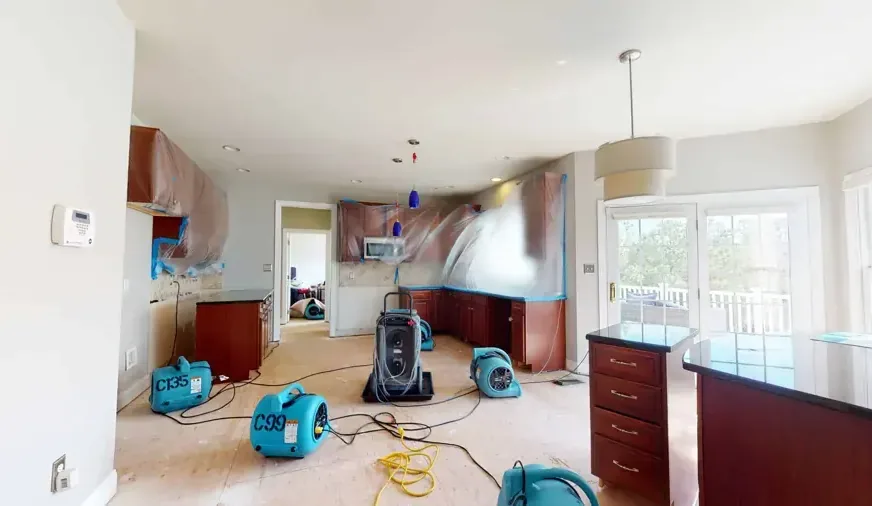
The drying team sizes extraction, air movement and dehumidification to the water category and class of loss, then verifies the drying goal with readings.
Claim-ready documentation
The claim file can include a moisture map, daily psychrometric logs, category and class notes, and timestamped photos before removal begins.
Stanton water experts
The walkthrough follows water along Beach Boulevard, Katella Avenue and Western Avenue properties without assuming that visible staining marks the full loss.
What to do right now for storm and flood cleanup in Cudahy
- Wait for safe access: Stay out when water is rising, electricity may be involved or doors, ceilings and floors appear unstable.
- Block the entry if practical: Use a safe temporary measure only when it can be placed without climbing onto wet surfaces or crossing active water.
- Protect untouched rooms: Close interior doors and move dry items away from the entry route without carrying debris across clean flooring.
- Photograph the route: Record the opening, water marks and rooms reached so later cleanup decisions retain the initial storm context.
What does storm and flood cleanup cost in Cudahy, CA?
Storm cleanup pricing accounts for water contact, deposited debris, damaged finishes and drying access. The property inspection establishes which materials require removal, cleaning or continued monitoring after extraction.
Contained zone
- Stormwater mapping
- Water removal
- Drying tests
Extended surfaces
- Wet finish access
- Drying equipment
- Material monitoring
Complex scope
- Selective removal
- Condition documents
- Stormwater coordination
Documentation for your insurance claim
The restoration contractor records the source, category, class, moisture map and daily readings. Sudden and accidental water damage and exterior flooding are treated differently. Coverage depends on the policy, so the property owner should check with the insurer. The water damage cost calculator offers a planning range.
How crews handle storm and flood cleanup in Cudahy
Classify the entered water
The team considers the outdoor route and materials contacted before assigning containment, cleaning and removal requirements.
Extract from stable areas
Water removal proceeds where floors and access are safe, with debris and porous finishes handled according to their condition.
Open trapped pockets selectively
Readings behind trim, at floor edges and inside lower walls identify locations where rainwater remained after surface extraction.
Verify each affected zone
Cleaning records, photographs and moisture trends show when individual rooms are ready to leave the mitigation phase.
After rain enters a building, the first useful account describes what happened at that building: the opening involved, the surfaces crossed and the rooms reached. Cudahy storm cleanup does not need an assumed neighborhood flood history to begin. Interior observations establish immediate removal and cleaning needs, while unresolved exterior entry requires attention from the appropriate repair trade.
Distinguish the entry route from the indoor spread
Water entering beneath a door may carry soil and debris across flooring. A roof opening may wet insulation before water appears overhead. These paths call for different access and cleaning decisions. Photographs taken before movement of contents can preserve the entry marks, deposits and original water depth, provided the room is safe to approach.
Cudahy is part of the Gateway Cities region in Los Angeles County. That regional location does not determine a particular parcel's exposure. Properties near Elizabeth Learning Center, Jaime Escalante Elementary School and Cudahy Library require their own inspection. A landmark reference helps locate the job without implying that the landmark or nearby buildings experienced flooding.
- Document each apparent entry point separately.
- Keep occupants away from wet electrical equipment.
- Record which contents contacted exterior water.
- Coordinate temporary protection before controlled drying depends on it.
Remove deposits as well as liquid
Exterior water can leave contamination after the floor pool disappears. The restoration team evaluates porous materials for direct contact, checks under trim and looks for debris in low recesses. Cleaning must address those deposits before the remaining assembly is ready for drying. Moving a wet rug across a clean hallway can create another cleanup area, so removal routes belong in the plan.
Floor coverings that separate, swell or trap dirty water may need removal. A hard surface that remains sound still needs accessible joints and edges assessed for concealed entry. The report should distinguish damage caused by the incident from older deterioration rather than assigning every visible defect to the rain.
- Photograph silt or residue before cleaning obscures it.
- Separate wet storage from unaffected belongings.
- Protect completed rooms from debris traffic.
Record where rain entered before cleanup changes the scene.
(888) 563-9619Describe the opening and indoor water pathMaintain a boundary while the building dries
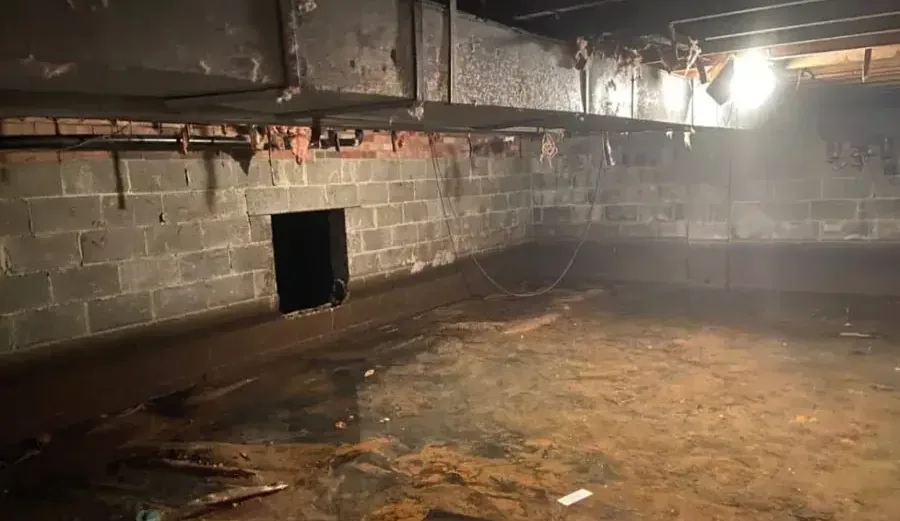
The structural drying phase tracks moisture in retained walls, floors and framing. Equipment is arranged for the materials reached, not merely for the room where rain was first noticed. Lower wall readings may extend the scope beyond visible floor marks, while dry comparison points can help protect unaffected finishes from unnecessary opening.
If more water enters, earlier measurements must be reassessed. A renewed wet area is not simply slow drying. Source notes, weather related observations and equipment records should make that distinction clear so the property representative understands why the layout or work sequence changed.
Preserve information for separate repair decisions
Storm cleanup documentation identifies entry evidence, contacted materials, removal choices and the final moisture condition. Exterior repair and policy decisions remain separate from the mitigation record. The team can describe what was observed without promising coverage or declaring a property free of future flood exposure.
The substantial rental housing share also makes access records useful. A room awaiting permission should remain marked as uninspected, particularly where flooring or wall cavities continue into another unit. The town service hub connects ceiling and roof leak work when those assemblies are part of the same loss. Each related scope should remain tied to the actual path rather than a general account of regional rainfall.
Act on the readings
The drying team follows mapped material readings, keeps people away from hazards and changes the plan when the daily log shows a stalled area.
Storm and flood cleanup across Cudahy and nearby communities
Storm cleanup is available throughout Cudahy, including properties near Elizabeth Learning Center, Jaime Escalante Elementary School and Cudahy Library. Inspection determines the indoor contact area while exterior repair and parcel questions receive separate consideration.
The same service nearby: storm and flood cleanup in Stanton, Bell, South Gate.
Dispatch is available around the clock for active water losses throughout the listed area.
Storm and Flood Cleanup questions in Cudahy, CA
Still dealing with it?
Record where rain entered before cleanup changes the scene.
(888) 563-9619(888) 563-9619Describe the opening and indoor water pathIs rainwater always considered clean?
No. Its condition depends on the route and surfaces contacted. Water that crossed soil, roofing debris or dirty exterior areas may need added containment, removal and cleaning. Indoor findings still establish what needs immediate extraction, cleaning and drying.
Should official flood maps be checked?
Official mapping can inform property questions, but it does not replace an interior inspection after water enters. The observed route and affected materials control immediate cleanup decisions.
Can wet flooring dry in place?
Some flooring can remain when condition, attachment and sanitation allow useful airflow. Other products trap dirty water or separate from the substrate and may require removal.
Why inspect wall bottoms after rain?
Water can collect behind trim or wick into porous wall material above the visible floor mark. Readings clarify whether a limited opening is needed.
What if the exterior opening is not repaired yet?
Temporary protection and restoration planning should be coordinated so new water does not undermine drying. Permanent exterior repair belongs to the appropriate building trade.
How are several rooms prioritized?
Safety and standing water come first, followed by contamination and material sensitivity. The crew stages extraction and drying so completed areas remain protected from dirty traffic.
Keep people clear of unsafe flooded spaces
A storm assessment separates debris removal, cleaning and retained material drying so the work follows the conditions found inside the affected building.
(888) 563-9619Plan cleanup after indoor storm entry