Structural Drying in Bell, CA
A room can look dry while its wall base still holds water. Bell structural drying follows individual material readings, adjusts airflow and dehumidification to the remaining load and records the condition before finishes are closed.
(888) 563-9619Discuss the remaining wet materials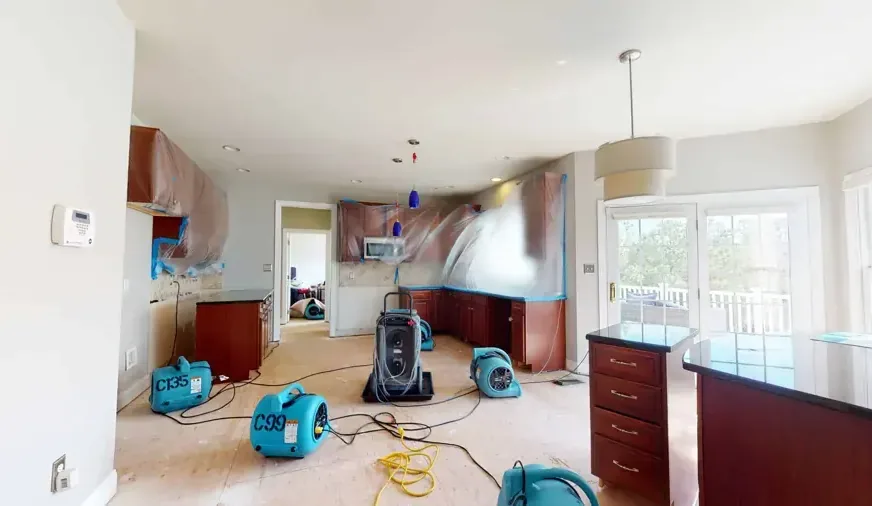
Why the drying plan matters for structural drying and dehumidification
Rapid local response
The response team dispatches 24/7 for active structural drying and dehumidification. The first priority is stopping additional spread and mapping every wet material.
IICRC S500 drying standard
The drying team sizes extraction, air movement and dehumidification to the water category and class of loss, then verifies the drying goal with readings.
Claim-ready documentation
The claim file can include a moisture map, daily psychrometric logs, category and class notes, and timestamped photos before removal begins.
Stanton water experts
The walkthrough follows water along Beach Boulevard, Katella Avenue and Western Avenue properties without assuming that visible staining marks the full loss.
What to do right now for structural drying and dehumidification in Bell
- Confirm earlier mitigation: The drying team needs the source status and any extraction or cleaning record before planning airflow around retained materials.
- Identify the remaining components: Walls, floor layers and framing should have distinct monitoring locations so their individual progress remains visible throughout the work.
- Maintain equipment access: Occupants should preserve the agreed room boundary and keep stored items away from devices, cords and marked measurement points.
- Report changed conditions: Renewed dripping, equipment interruptions or inaccessible rooms should be documented so the next readings can be interpreted in context.
What does structural drying and dehumidification cost in Bell, CA?
Structural drying costs depend on the retained moisture load, material layers, equipment arrangement and monitoring needs. Inspection identifies access improvements and any remaining extraction before the authorized drying scope is established.
Accessible retained materials
- Baseline readings
- Equipment setup
- Material monitoring
Several connected assemblies
- Zone management
- Access assessment
- Progress adjustments
Complex concealed moisture
- Targeted openings
- Extended monitoring
- Completion documentation
Documentation for your insurance claim
The restoration contractor records the source, category, class, moisture map and daily readings. Sudden and accidental water damage and exterior flooding are treated differently. Coverage depends on the policy, so the property owner should check with the insurer. The water damage cost calculator offers a planning range.
How crews handle structural drying and dehumidification in Bell
Establish material reference points
The assessment names wet components and suitable unaffected comparisons, creating repeatable locations that make moisture changes meaningful for the drying plan.
Manage the drying environment
Air movement and dehumidification address the wet load while room boundaries and equipment paths account for occupants using unaffected portions of the property.
Respond to individual trends
Readings identify sections that improve or stall, allowing access, source status and equipment placement to be reconsidered for the material remaining wet.
Document the retained condition
Final comparisons and earlier measurements describe the drying result, with remaining finish repairs and inaccessible sections clearly distinguished in the completion record.
The disappearance of standing water marks a change in the job, not necessarily its end. Moisture retained in a wall, floor layer or framing member must still leave that material. Structural drying organizes that work around measurable locations so equipment decisions can be explained. A machine count or a room that feels comfortable cannot replace evidence about the affected assembly.
Choose a useful starting map
The drying team identifies retained wet components after source control, extraction and any required cleaning. Each monitoring point should have a clear location and material description. Comparing unlike materials can confuse the picture, so suitable unaffected references matter. An area hidden behind a cabinet should not receive a dry designation simply because its exposed neighbor improved.
Bell had 9,217 housing units in the 2010 Census. That citywide count says nothing about the material layers inside a particular unit near Bell City Hall. Inspection must establish the actual wall and floor construction. The Bell restoration hub connects drying with source specific work when an active pipe, appliance or roof problem still needs attention.
- Name the material and location attached to each reading.
- Record access restrictions that could hide part of the wet assembly.
- Distinguish initial moisture conditions from later equipment adjustments.
Balance evaporation with moisture removal
Air movement helps moisture leave accessible material surfaces, while dehumidification removes water vapor from the controlled space. The arrangement should suit the wet materials and available access rather than repeat the same setup in every room. Doors, containment and occupied areas affect how that space can be managed. Equipment must also leave safe routes for the people using unaffected rooms.
At a property near Bell High School, room use and access can influence where equipment sits, but they do not determine whether the structure is dry. An owner or occupant can report changes in access or equipment operation so the next measurements have context. Those observations supplement the moisture record rather than replacing it.
- Keep monitoring locations accessible throughout the drying period.
- Document changes that alter airflow or the controlled room boundary.
- Address a persistently wet section instead of judging the whole room by its fastest area.
Drying equipment should follow the moisture left inside the retained building materials.
(888) 563-9619Identify rooms that remain dampInvestigate progress that stalls
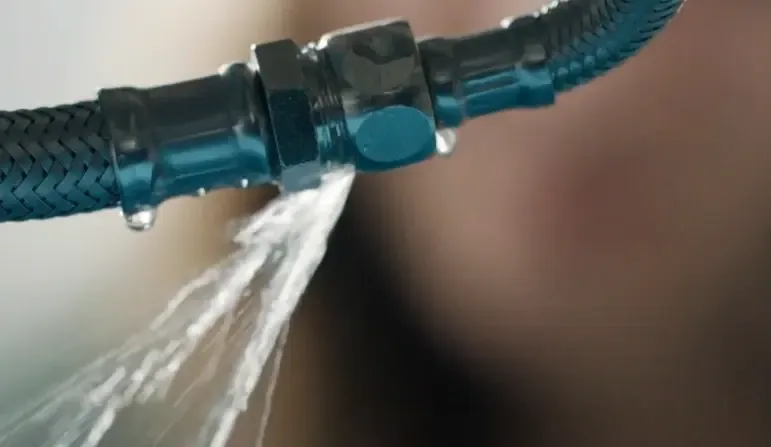
A wet section that stops improving may need better access, a revised equipment arrangement or another source check. The response should follow the specific finding. Adding equipment without understanding the assembly can leave the hidden restriction unresolved. If another release is discovered, its correction needs to be recorded separately so readings before and after that change remain interpretable.
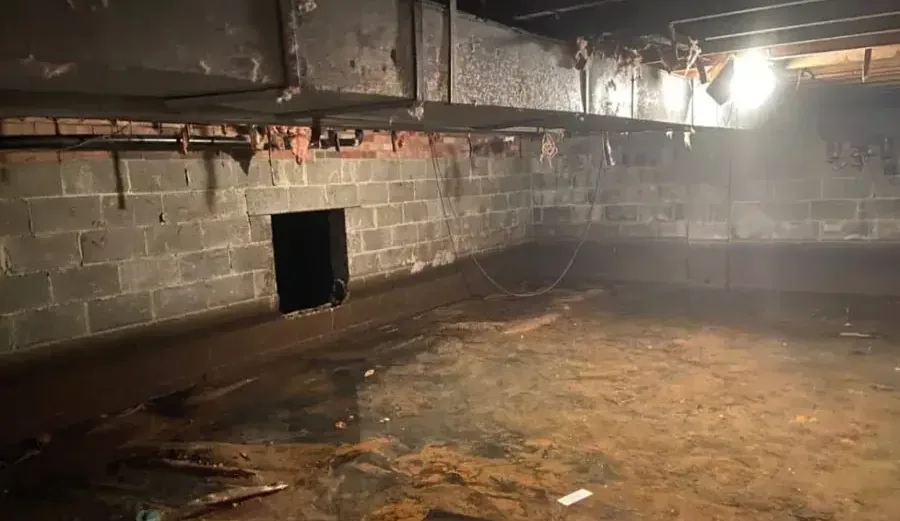
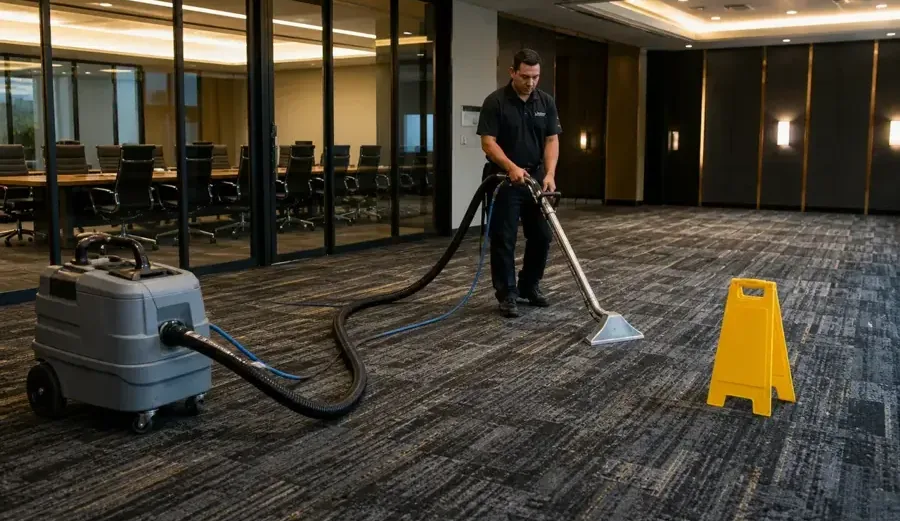
Bell sits along the Los Angeles River, yet regional geography cannot establish the indoor drying target. The materials at the property and suitable comparisons provide that basis. Where liquid remains accessible, water extraction may still be required before evaporation becomes the main task. Cleaning also precedes airflow when the water condition calls for contamination controls.
Define completion for each retained component
A room may contain components that reach their drying goals at different times. The closeout should identify which readings support completion and what remains inaccessible or damaged. Finish replacement can still be needed after moisture has been addressed. Conversely, a finish that looks intact may need continued monitoring if its readings have not reached the agreed comparison.
The final file connects initial conditions, equipment changes and repeated measurements in a usable sequence. Owners can see why a device was moved or removed and what condition remained for reconstruction. That record gives the next trade more useful information than a generic statement that several days of equipment operation have elapsed.
Act on the readings
The drying team follows mapped material readings, keeps people away from hazards and changes the plan when the daily log shows a stalled area.
Structural drying and dehumidification across Bell and nearby communities
Material drying plans address the retained wet walls, floors and framing inside each building. Access, suitable comparison locations and existing readings shape equipment placement, with progress tracked separately for components that respond at different rates.
The same service nearby: structural drying and dehumidification in Stanton, Cudahy, South Gate.
Dispatch is available around the clock for active water losses throughout the listed area.
Structural Drying and Dehumidification questions in Bell, CA
Still dealing with it?
Drying equipment should follow the moisture left inside the retained building materials.
(888) 563-9619(888) 563-9619Identify rooms that remain dampCan a room feel dry before its walls are dry?
Yes. Air conditions and material moisture describe different things. Readings within the affected assembly are needed before the wall or floor is treated as ready for closure.
What is a dry reference?
It is a suitable unaffected material used for comparison. The location and material should be documented so later readings have a consistent basis rather than an unexplained target.
Why might one wall take longer?
Access, finish layers and the amount of retained moisture can differ across a room. The team should investigate the particular section rather than assume every surface responds together.
Should equipment be moved between visits?
Equipment placement is part of the drying plan. Occupants should report access problems or interruptions so changes can be coordinated and the next measurements remain useful.
Does a fixed number of days establish completion?
No. Elapsed operating time provides context, while the repeated material readings show progress. Completion should account for the retained wet components and any access limits.
What happens if another leak appears?
The source must be reassessed and controlled. The record should identify the new event so earlier drying results are not confused with moisture added during the work.
What does the final record include?
It should connect starting readings, equipment changes and final comparisons. Removed materials, inaccessible sections and remaining finish repairs should be distinguishable from components that reached their drying goals.
Keep comparison points and equipment paths accessible
Repeated measurements can show which assemblies are improving and where access or equipment needs to change before the restoration phase is complete.
(888) 563-9619Request a material drying assessment