Commercial Water Damage in Cudahy, CA
Water in a workplace requires source control plus a practical plan for occupants, inventory and unaffected operations. Cudahy commercial response divides the property into documented work zones.
(888) 563-9619Plan a business water response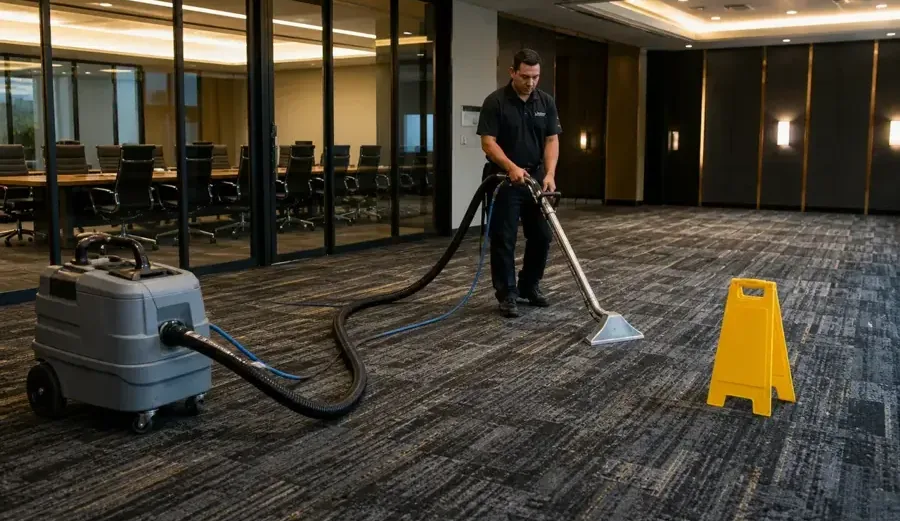
Why the drying plan matters for commercial water damage
Rapid local response
The response team dispatches 24/7 for active commercial water damage. The first priority is stopping additional spread and mapping every wet material.
IICRC S500 drying standard
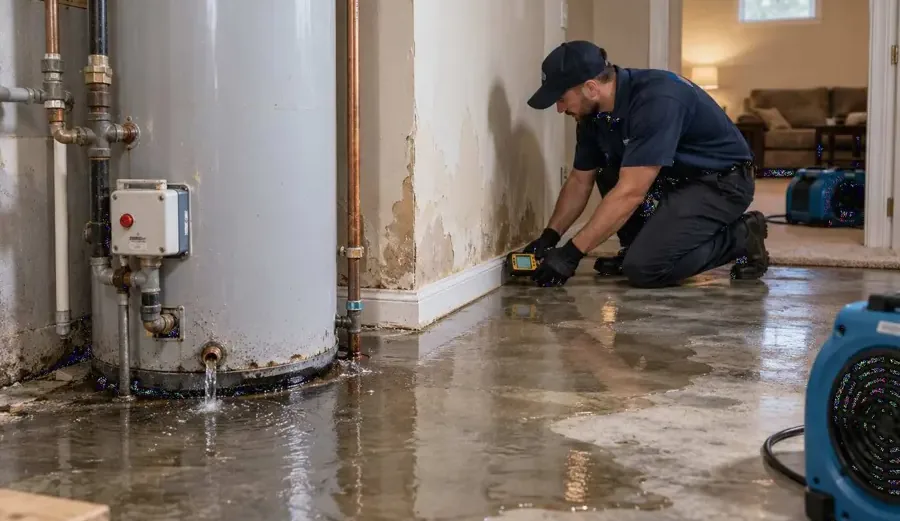
The drying team sizes extraction, air movement and dehumidification to the water category and class of loss, then verifies the drying goal with readings.
Claim-ready documentation
The claim file can include a moisture map, daily psychrometric logs, category and class notes, and timestamped photos before removal begins.
Stanton water experts
The walkthrough follows water along Beach Boulevard, Katella Avenue and Western Avenue properties without assuming that visible staining marks the full loss.
What to do right now for commercial water damage in Cudahy
- Protect staff and visitors: Close wet areas with electrical concerns, slippery floors, sewage contact or unstable finishes and redirect ordinary foot traffic.
- Notify property contacts: Share the source and affected areas with the building representative, tenant contacts and relevant repair trade.
- Preserve operational records: Photograph water paths, inventory contact and rooms taken out of service before moving items when conditions are safe.
- Separate unaffected functions: Keep clean work areas and dry stock away from extraction routes, wet debris and equipment cords.
What does commercial water damage cost in Cudahy, CA?
Commercial cleanup cost depends on affected floor area, contents handling, contamination and access arrangements. A property assessment defines the work zones, drying requirements and coordination included in the authorized scope.
Contained zone
- Business mapping
- Water removal
- Drying checks
Extended surfaces
- Material opening
- Zone equipment
- Progress tests
Complex scope
- Selective removal
- Condition logs
- Business coordination
Documentation for your insurance claim
The restoration contractor records the source, category, class, moisture map and daily readings. Sudden and accidental water damage and exterior flooding are treated differently. Coverage depends on the policy, so the property owner should check with the insurer. The water damage cost calculator offers a planning range.
How crews handle commercial water damage in Cudahy
Divide the building into zones
The team marks affected, transition and clean areas so workers, occupants and debris follow controlled routes.
Stage urgent removal
Standing water and sensitive materials receive priority while photographs preserve the original business loss conditions.
Coordinate access windows
Approved work periods, equipment placement and communication points account for the operation without promising that every area can remain open.
Report progress by area
Moisture readings and completed cleaning tasks are tracked for each zone, allowing finished sections to leave mitigation independently.
A business water loss affects more than finishes. Staff access, stored stock, equipment and tenant coordination can all change the order of work. Cudahy commercial mitigation begins by identifying who can authorize access and which activities depend on the affected rooms. The response then separates urgent water removal from decisions about continued operations, without promising that every business can remain open.
Define the working areas before moving stock
The first walkthrough identifies wet spaces, safe access routes and areas that appear unaffected. Those boundaries organize movement of people, equipment and debris. Sensitive contents should be photographed before relocation when it is safe, with destination locations recorded so the property team can track what moved.
Tract 349 Mutual Water Company serves both residents and businesses within its district, reflecting the mixed community setting. Commercial coverage also includes properties around Cudahy Library, Elizabeth Learning Center and Ochoa Learning Center. These references describe the area served; no loss or business relationship at a named institution is implied.
- Identify the person approving mitigation and access changes.
- Keep customer and employee routes outside unsafe rooms.
- Separate wet stock from clean inventory and records.
- List building systems needing another trade's assessment.
Sequence extraction around the actual operation
Standing water and safety concerns take priority. Beyond that, the order can account for material sensitivity and the practical availability of rooms. A storage space containing wet cartons may need a different handling sequence from an office with damp carpet. Each area should have an identifiable scope so cleanup progress does not become confused with business reopening.
Source repair may involve a plumber, appliance technician or building representative. The restoration file records the status of that repair and any continuing restriction. A repaired pipe does not automatically release the adjoining office for use when electrical checks, cleaning or structural drying remain unfinished.
- Record the water source separately from operational consequences.
- Document contents handling before disposal or relocation.
- Preserve clean routes as extraction equipment moves between zones.
Keep operational decisions connected to the condition of each room.
(888) 563-9619Identify the affected business activities and access contactDry shared assemblies without losing the zone record
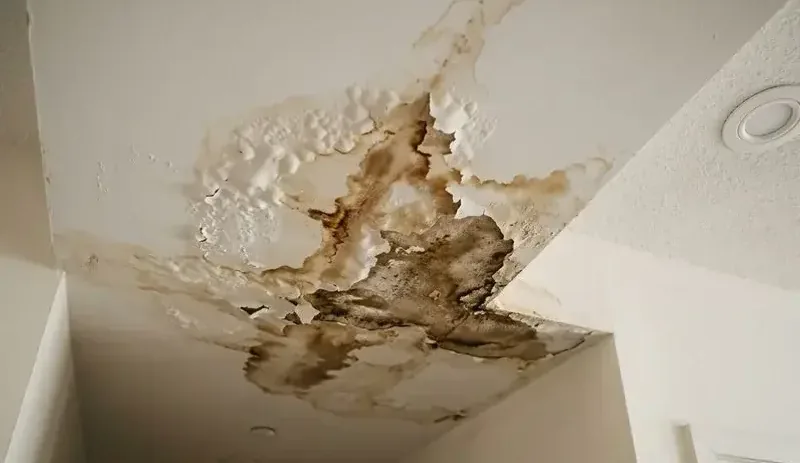
Water can pass beneath a partition even when rooms have separate tenants or uses. Readings along connected flooring and wall bases help establish whether the initial business boundary matches the moisture boundary. Access permissions may need expansion when the water route reaches another occupied space.
The commercially occupied drying plan uses material measurements to place and adjust equipment. Work periods can be coordinated where conditions allow, but equipment cannot be removed solely because a room is needed for ordinary use. Safety and documented drying progress remain part of the decision.
Give property contacts a usable progress report
A report by room or zone helps distinguish extraction complete, cleaning complete and drying still active. Photographs and readings should support each status. The same report can list access restrictions, pending source work and contents awaiting an owner's decision. Clear descriptions reduce confusion between the restoration team and the people managing the operation.
At completion, the record identifies retained materials checked, removed finishes and any area outside the inspected scope. The Cudahy water damage hub connects related source services when a business loss also involves sewage, appliance discharge or overhead leakage. The insurer evaluates policy coverage separately; the mitigation file describes the observed damage and authorized work so the property representative has an accurate account.
Act on the readings
The drying team follows mapped material readings, keeps people away from hazards and changes the plan when the daily log shows a stalled area.
Commercial water damage across Cudahy and nearby communities
Commercial mitigation serves Cudahy business properties around Cudahy Library, Elizabeth Learning Center and Ochoa Learning Center. An authorized property contact helps coordinate affected rooms, shared assemblies, contents handling and access needed for each phase of work.
The same service nearby: commercial water damage in Stanton, Bell, South Gate.
Dispatch is available around the clock for active water losses throughout the listed area.

Commercial Water Damage questions in Cudahy, CA
Still dealing with it?
Keep operational decisions connected to the condition of each room.
(888) 563-9619(888) 563-9619Identify the affected business activities and access contactCan a business stay open during mitigation?
That depends on safety, contamination, access and the separation available between wet and unaffected areas. The property representative makes operating decisions using current findings. Sensitive equipment, records and tenant responsibilities can add coordination needs, so named contacts and current access rules belong in the plan. Clear zone labels support those decisions.
How is inventory handled?
Affected stock is photographed and separated by condition and material. Movement is coordinated so wet items do not cross clean storage or public routes.
What helps reduce operational confusion?
A written zone map, access contact, approved work periods and regular moisture updates give property and tenant representatives a shared view of the current scope.
Are all rooms dried at once?
Work can be phased when building conditions allow. Standing water, contamination and sensitive materials receive priority, while each zone keeps its own progress record.
Who handles the failed equipment or pipe?
The appropriate plumbing, appliance or building trade repairs the source. Restoration manages interior water, affected finishes, cleaning and drying documentation.
What supports an insurance claim discussion?
Initial photographs, affected area notes, inventory records, mitigation authorization, moisture logs and final comparisons document the work. The carrier determines policy coverage.
Separate clean inventory from wet work areas
A documented zone plan can show extraction, cleaning and drying progress while recording restrictions that still affect occupants, stock or the next repair trade.
(888) 563-9619Arrange a business property assessment