Commercial Water Damage in Bell, CA
A business water loss affects more than the wet floor. Bell commercial restoration identifies equipment access, inventory handling and occupied areas alongside the moisture boundary, giving property contacts a clear sequence for extraction, cleaning and phased drying.
(888) 563-9619Describe the affected business areas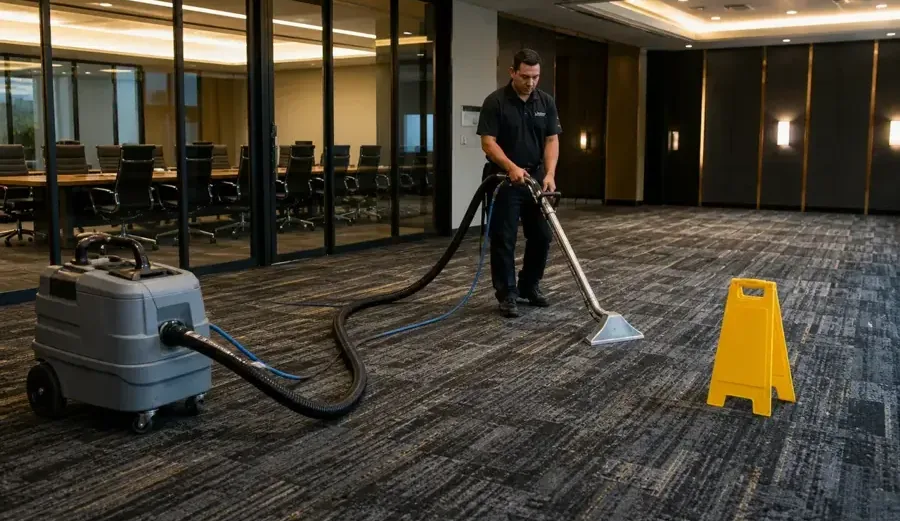
Why the drying plan matters for commercial water damage
Rapid local response
The response team dispatches 24/7 for active commercial water damage. The first priority is stopping additional spread and mapping every wet material.
IICRC S500 drying standard
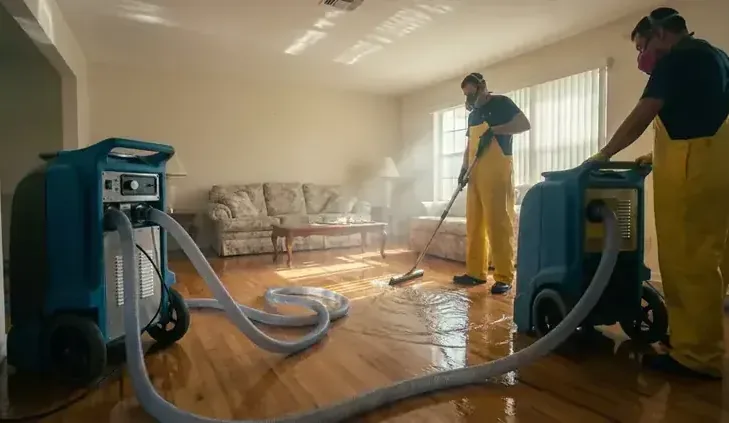
The drying team sizes extraction, air movement and dehumidification to the water category and class of loss, then verifies the drying goal with readings.
Claim-ready documentation
The claim file can include a moisture map, daily psychrometric logs, category and class notes, and timestamped photos before removal begins.
Stanton water experts
The walkthrough follows water along Beach Boulevard, Katella Avenue and Western Avenue properties without assuming that visible staining marks the full loss.
What to do right now for commercial water damage in Bell
- Name the decision contacts: The property and business representatives should establish who can approve access, contents movement and mitigation affecting shared rooms or building systems.
- Secure affected operations: Occupants should stay out of unsafe wet areas while the current source and available access routes are assessed.
- Preserve inventory information: Safe photographs and item records can document contacted stock before movement or disposal changes the condition visible on arrival.
- Identify protected rooms: The operating plan should name areas that remained dry and keep equipment, wet debris and inventory transfers from compromising those spaces.
What does commercial water damage cost in Bell, CA?
Commercial restoration costs depend on affected zones, contents handling, access restrictions and material drying needs. Inspection defines the authorized sequence and distinguishes source repair from mitigation and reconstruction throughout the property.
Contained business loss
- Area survey
- Water recovery
- Material checks
Several operating zones
- Inventory coordination
- Zone separation
- Progress tracking
Complex property damage
- Selective removal
- Access planning
- Completion records
Documentation for your insurance claim
The restoration contractor records the source, category, class, moisture map and daily readings. Sudden and accidental water damage and exterior flooding are treated differently. Coverage depends on the policy, so the property owner should check with the insurer. The water damage cost calculator offers a planning range.
How crews handle commercial water damage in Bell
Define contacts and affected zones
The response identifies authorization, source status and rooms requiring inspection before organizing equipment and debris routes around unaffected portions of the operating property.
Recover water and protect contents
Extraction proceeds with documented inventory handling, keeping clean storage and available access separate from contaminated items or active material removal.
Track drying by work area
Each zone retains material readings and cleaning records so equipment changes or phased completion follow actual conditions instead of a propertywide assumption.
Hand over the zone records
Property and tenant contacts receive completed mitigation records, access limits and repair needs, with source correction distinguished from indoor restoration work.
When water reaches a workplace, the cleanup route may compete with customer access, stored stock or another tenant's entrance. The response needs an operating picture as well as a moisture map. Commercial restoration establishes who can authorize work, which rooms are affected and how equipment or debris can move without spreading the loss. Continued use of any area depends on its actual safety and separation.
Identify the people who can make access decisions
A tenant may discover the water while the property representative controls shared utility access. The first coordination task is to connect those roles and record the current source status. Plumbing, roofing or equipment repair may require another trade. The mitigation team documents released water and affected materials, keeping those tasks distinguishable from the correction of the failed component.
Bell has a compact urban housing and business setting. Around Bell City Hall, the actual property layout determines whether another space shares access or building systems with the affected business. No common arrangement should be inferred from the landmark. The Bell restoration services connect commercial work with the source specific response appropriate to the reported loss.
- Name the contact authorized to approve material access and removal.
- Identify any shared entrance or utility area needed for inspection.
- Record source repair status separately from indoor mitigation progress.
Protect stock and routes through the property
Wet inventory should be photographed and assessed before it is moved into clean storage. Contents handling needs a destination that does not obstruct equipment or bring contamination into an unaffected room. Barriers and clearly understood work boundaries help separate active removal from available areas. A doorway remaining physically open does not by itself establish that a room is suitable for normal occupancy.
For a workplace near Bell High School, the business contact can explain room use and access restrictions. Those details help sequence inspection but cannot establish the moisture boundary. Readings should still include fixed cabinets, lower walls and neighboring floor sections when the water route points toward them. Concealed spread may require revising an initial plan.
- Keep inventory movement distinct from the wet debris route.
- Maintain safe access to unaffected rooms where conditions allow use.
- Record changes when additional wet materials alter a work zone.
A business loss needs clear contacts, protected routes and separate progress records.
(888) 563-9619Explain affected rooms and operating constraintsUse separate records for areas that finish differently
Different rooms may contain different materials and moisture loads. A zone with exposed durable flooring can progress differently from one with cabinets or layered finishes. Area specific readings help explain why equipment remains in one location after another is released. Phasing should follow cleaning, safety and drying evidence rather than a promise that operations can continue throughout every loss.
The Los Angeles River provides geographic context for Bell, but it does not determine the cause or category of water in a business. The reported release and contacted materials determine those decisions. Structural drying can then track retained assemblies within each defined zone after extraction and any necessary sanitation.
Give property contacts a usable completion account
Progress updates should identify active areas, changes in access and the work awaiting authorization or another trade. Final records should separate removed finishes, retained dry materials and damaged items needing replacement. This makes the handoff useful for both the property owner and the business occupying the space, without assigning responsibilities that the mitigation inspection cannot decide.
Photographs, inventory notes and moisture comparisons also provide context for later policy discussions. The insurer determines coverage, while the contractor explains the observed loss and authorized work. A clear zone record lets each contact see what is complete and what remains, instead of interpreting a single propertywide statement that the water problem is finished.
Act on the readings
The drying team follows mapped material readings, keeps people away from hazards and changes the plan when the daily log shows a stalled area.
Commercial water damage across Bell and nearby communities
Commercial restoration coordinates water work around actual tenant arrangements and affected building areas. Shared entrances, inventory and material readings determine access needs, while separate zone records show whether phased drying and completion are practical.
The same service nearby: commercial water damage in Stanton, Cudahy, South Gate.
Dispatch is available around the clock for active water losses throughout the listed area.
Commercial Water Damage questions in Bell, CA
Still dealing with it?
A business loss needs clear contacts, protected routes and separate progress records.
(888) 563-9619(888) 563-9619Explain affected rooms and operating constraintsCan unaffected operations continue?
Possibly, when safety and separation allow it. The property representative uses current contamination, access and equipment information to decide which areas remain available.
How are work zones defined?
The plan identifies affected rooms, transition routes and clean areas. Signage, barriers and debris paths help prevent active mitigation from spreading into completed space.
What happens to wet inventory?
Items are photographed and separated by material and contact. Movement is coordinated with the business so damp stock does not cross clean storage or public routes.
Can drying proceed in phases?
Separate rooms may finish at different times when conditions permit. Each zone keeps its own readings and cleaning record before it is released.
Who repairs the source equipment?
Plumbing, roofing or appliance professionals handle the actual failure. The mitigation crew concentrates on interior water, affected materials and drying evidence.
Which records help property contacts?
Area photographs, inventory notes, authorization, moisture maps and final results give owners and tenants a common account of completed and active work.
Who should receive progress updates?
The designated property and tenant contacts need zone status, access changes and documented findings. A single communication path helps keep work decisions consistent. Current findings support that sequence.
Identify inventory and entrances that need protection
A property assessment can organize extraction and drying by area while documenting access changes, retained materials and the tasks still needed for repair.
(888) 563-9619Arrange a commercial water loss assessment