Crawl Space Water Removal in Cudahy, CA
Standing water beneath an occupied floor needs a construction and access check before entry. Cudahy crawl space work applies where inspection identifies a belowfloor area requiring extraction and structural moisture control.
(888) 563-9619Assess water below the floor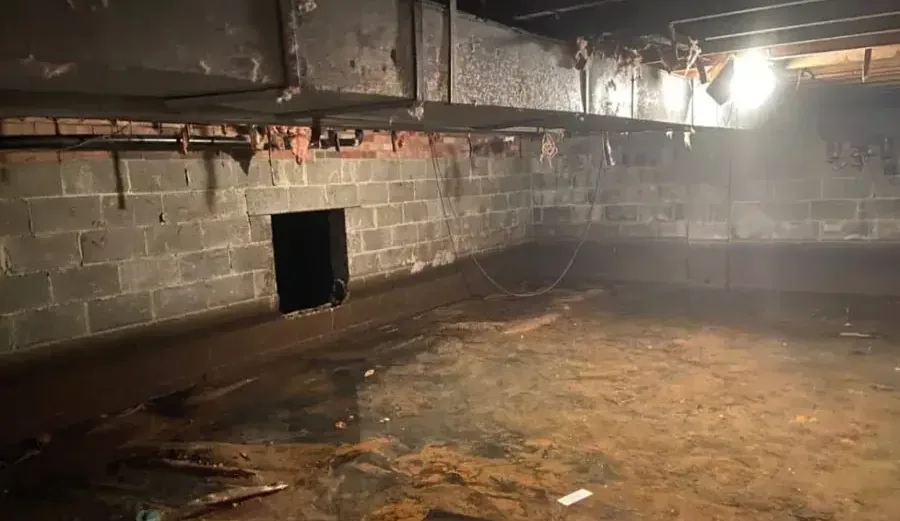
Why the drying plan matters for crawl space water removal
Rapid local response
The response team dispatches 24/7 for active crawl space water removal. The first priority is stopping additional spread and mapping every wet material.
IICRC S500 drying standard
The drying team sizes extraction, air movement and dehumidification to the water category and class of loss, then verifies the drying goal with readings.
Claim-ready documentation
The claim file can include a moisture map, daily psychrometric logs, category and class notes, and timestamped photos before removal begins.
Stanton water experts
The walkthrough follows water along Beach Boulevard, Katella Avenue and Western Avenue properties without assuming that visible staining marks the full loss.
What to do right now for crawl space water removal in Cudahy
- Do not enter blindly: Avoid a low space with standing water, damaged wiring, pests, unstable access or an unknown contamination source.
- Reduce water above: Stop a contributing indoor fixture when safe and prevent additional discharge from entering the area below.
- Keep openings available: Do not seal vents or access panels before the source and air management plan have been assessed for that structure.
- Report floor changes: Note soft areas, odors or damp flooring above the space without crawling underneath to locate the problem.
What does crawl space water removal cost in Cudahy, CA?
Belowfloor cleanup cost reflects entry conditions, water depth, debris, insulation and access to structural materials. Inspection establishes the extraction method and drying requirements for the space actually present.
Contained zone
- Crawlspace mapping
- Water removal
- Joist measurements
Extended surfaces
- Structural access
- Belowfloor equipment
- Progress surveys
Complex scope
- Selective removal
- Condition notes
- Crawlspace coordination
Documentation for your insurance claim
The restoration contractor records the source, category, class, moisture map and daily readings. Sudden and accidental water damage and exterior flooding are treated differently. Coverage depends on the policy, so the property owner should check with the insurer. The water damage cost calculator offers a planning range.
How crews handle crawl space water removal in Cudahy
Evaluate access and hazards
The team checks entry size, electricity, standing water and structural clearance before people or extraction equipment enter.
Remove reachable water
Suitable pumps or extraction methods address pooled water while dirty debris and damaged porous material stay controlled.
Inspect the floor assembly
Joists, subfloor, insulation and perimeter areas receive separate checks because each material holds and releases moisture differently.
Manage below floor drying
Air movement or dehumidification is selected for the actual enclosure, then repeated readings confirm progress without spreading contaminants upward.
A crawl space service begins with proof that the building actually has a belowfloor area needing attention. Cudahy has no established citywide foundation pattern in the available town record, so a property cannot be assigned this service from its location alone. Once construction is identified, the crew evaluates safe entry, the water source and the materials present beneath the occupied rooms.
Establish whether entry is practical
A visible hatch opening can conceal an unsafe route to standing water. Electrical components, unstable ground, low clearance and contaminated conditions may limit access. The restoration team documents what can be seen and reached before selecting equipment. Occupants should not enter an uncertain space to obtain photographs or move a pump.
Service inquiries can identify properties around Ochoa Learning Center, Cudahy Library and Park Avenue Elementary School. Those landmarks establish coverage without implying that nearby buildings use raised floors. Construction findings and access conditions determine whether extraction can proceed and what protective arrangements are needed.
- Identify the entry point without disturbing unsafe coverings.
- Keep household traffic away from the equipment route.
- Record visible utility hazards and obstructions.
- Mark portions of the space that remain inaccessible.
Remove standing water without ignoring its source
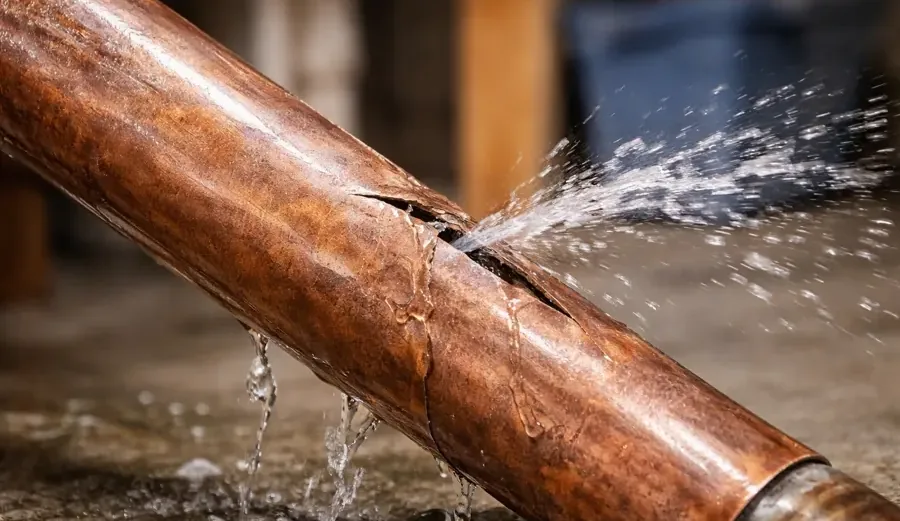
Water below a floor may originate from a pipe, drain or exterior entry. The crew should not label it groundwater simply because it lies on soil. Source findings affect sanitation, removal and the risk of another release. Plumbing or building repairs may need coordination before the extraction result can be maintained.
Pump selection and discharge planning account for water condition, debris and access. Wet insulation or damaged ground covering can obstruct removal and require evaluation. The report distinguishes water recovered from material removed, so the property representative can understand what the equipment accomplished and why additional work remains.
- Track recurring water after the initial extraction.
- Document saturated insulation before removal decisions.
- Protect the occupied interior from dirty equipment and debris.
Belowfloor water starts with an access and hazard assessment.
(888) 563-9619Describe the opening and signs of dampnessMeasure the structure above the pool
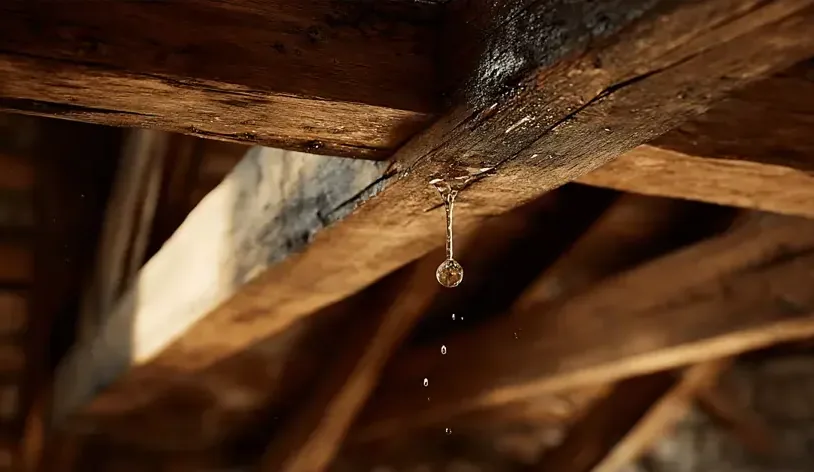
Joists and subfloor materials may retain moisture after the lowest area clears. Their condition should be measured directly where safe access allows. The inspection also considers whether dampness has affected the room above, especially around penetrations or damaged flooring. The underside of the living room floor receives its own moisture checks through safe crawl space access.
The structural drying approach is adapted to the actual space. Air movement and dehumidification must account for access, contamination and connections to occupied areas. Simply opening vents is not a complete plan when outdoor air conditions or dirty surfaces can change the result.
Report the limits as clearly as the completed work
Photographs, a sketch of accessible sections and repeat readings provide a record of the belowfloor work. Monitoring points should remain identifiable so later measurements can be compared with the original ones. Where an obstruction prevents inspection, the closing record should say so instead of describing the entire space as verified.
Cudahy's rental housing context can require coordination between the resident and the person able to authorize access changes. A documented limitation helps that contact arrange the next decision. The town restoration services also cover leaks that turn out to be entirely inside occupied rooms. The chosen scope should follow the building findings, whether or not a crawl space ultimately forms part of the loss.
Act on the readings
The drying team follows mapped material readings, keeps people away from hazards and changes the plan when the daily log shows a stalled area.
Crawl space water removal across Cudahy and nearby communities
Belowfloor water service covers applicable Cudahy buildings near Ochoa Learning Center, Cudahy Library and Park Avenue Elementary School. A construction check establishes whether the space exists, followed by an assessment of access and affected supports.
The same service nearby: crawl space water removal in Stanton, Bell, South Gate.
Dispatch is available around the clock for active water losses throughout the listed area.
Crawl Space Water Removal questions in Cudahy, CA
Still dealing with it?
Belowfloor water starts with an access and hazard assessment.
(888) 563-9619(888) 563-9619Describe the opening and signs of dampnessDoes every local house have a crawl space?
No foundation mix is confirmed for the city. This service applies only after the building is shown to have an accessible below floor area. Access limitations and dirty ground conditions can also change which extraction tools and protective procedures are suitable beneath the structure. Entry observations belong in the record.
Can a homeowner pump it out alone?
Standing water may involve electricity, sewage, unstable access or contaminated soil. Those conditions should be assessed before anyone enters or places ordinary equipment below.
What materials are inspected underneath?
The scope may include joists, subfloor, insulation, liners and perimeter supports that are actually present. Each receives readings and a condition check.
Should vents stay open during drying?
Vent position depends on outdoor conditions, contamination and the selected air strategy. Unplanned ventilation can add humidity or move unwanted material into occupied space.
When is insulation removed?
Saturated, contaminated, compressed or inaccessible insulation may need controlled removal. Dry, sound material can be evaluated for monitored drying where conditions support it.
How is the area verified without visible finishes?
Technicians mark structural locations and compare repeat measurements with suitable dry references. Photographs and access notes document areas that were reached and evaluated.
Keep occupants out of uncertain crawl spaces
A qualified assessment can identify construction, standing water and affected supports before extraction equipment or drying arrangements are selected for the actual space.
(888) 563-9619Arrange a belowfloor water evaluation