Crawl Space Water Removal in South Gate, CA
Standing water beneath a raised floor can leave joists, insulation and subflooring wet after the puddle recedes. Safe access and a clear source assessment come before pumping and structural drying.
(888) 563-9619Discuss South Gate underfloor water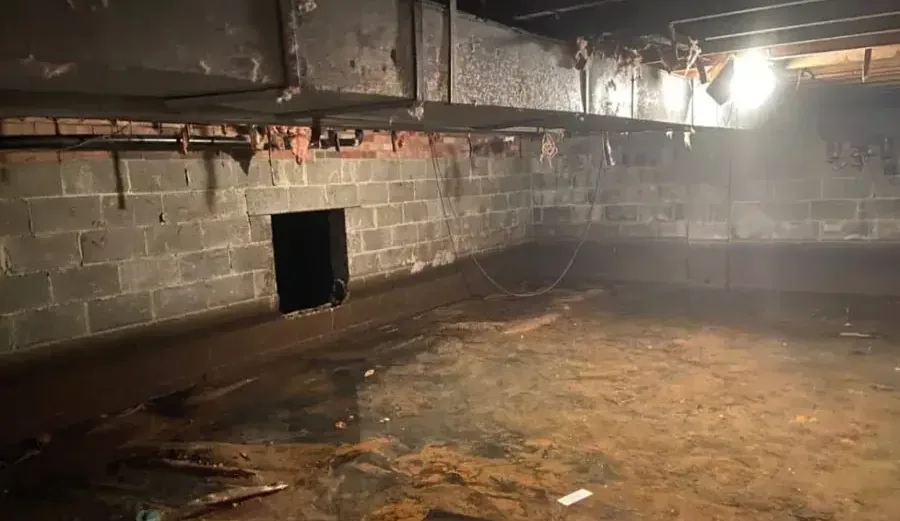
Why the drying plan matters for crawl space water removal
Rapid local response
The response team dispatches 24/7 for active crawl space water removal. The first priority is stopping additional spread and mapping every wet material.
IICRC S500 drying standard
The drying team sizes extraction, air movement and dehumidification to the water category and class of loss, then verifies the drying goal with readings.
Claim-ready documentation
The claim file can include a moisture map, daily psychrometric logs, category and class notes, and timestamped photos before removal begins.
Stanton water experts
The walkthrough follows water along Beach Boulevard, Katella Avenue and Western Avenue properties without assuming that visible staining marks the full loss.
What to do right now for crawl space water removal in South Gate
- Avoid underfloor entry: Occupants should not crawl into standing water or approach exposed wiring beneath the building before the hazards are assessed.
- Locate the access opening: The property contact can identify available entry points from outside the wet space and explain any known utility concerns.
- Report the suspected source: Information about a plumbing failure, drain overflow or exterior entry helps the crew prepare for the likely cleanup conditions.
- Keep removal routes clear: Dry belongings should stay away from the access hatch and planned equipment route without anyone entering the affected crawl space.
What does crawl space water removal cost in South Gate, CA?
Crawl space costs reflect water depth, access, contamination, insulation removal and the framing that needs drying. Restricted entry or concealed pools can expand the work beyond an initial pump-out.
Contained zone
- Crawlspace mapping
- Water removal
- Drying checks
Extended assemblies
- Underfloor access
- Drying setup
- Repeat readings
Complex scope
- Selective removal
- Condition logs
- Crawlspace coordination
Documentation for your insurance claim
The restoration contractor records the source, category, class, moisture map and daily readings. Sudden and accidental water damage and exterior flooding are treated differently. Coverage depends on the policy, so the property owner should check with the insurer. The water damage cost calculator offers a planning range.
How crews handle crawl space water removal in South Gate
Assess the space
The technician checks access, visible structural conditions and the likely water source before deciding how pumping and material inspection can proceed safely.
Remove pooled water
Suitable extraction equipment clears accessible pools while the team records affected insulation, debris and surfaces that require additional cleaning or selective removal.
Monitor underfloor materials
Measurements beneath the floor show where framing and subflooring remain wet, allowing equipment placement to respond to enclosed bays and restricted airflow.
Document remaining needs
Completion notes separate the finished cleanup from plumbing, drainage or construction repairs and identify any areas that could not be accessed for inspection.
Water beneath a building can remain unnoticed because the occupied rooms above appear normal. A plumbing release, drainage problem or other entry route may leave a pool under the floor and dampen materials around it. For a property with a crawl space, this work starts beneath the floor at the water entry point. The crew confirms the affected property’s floor construction and access rather than relying on the arrangement of nearby buildings.
Entry conditions determine the first move
Low clearance, exposed wiring, damaged supports and contaminated water can make underfloor access hazardous. Occupants should stay out until conditions have been assessed. The crew first identifies a usable opening, the route to the water and any utilities that need attention from a qualified trade. Equipment selection follows that assessment, rather than requiring a worker to enter an unsafe space merely to begin pumping.
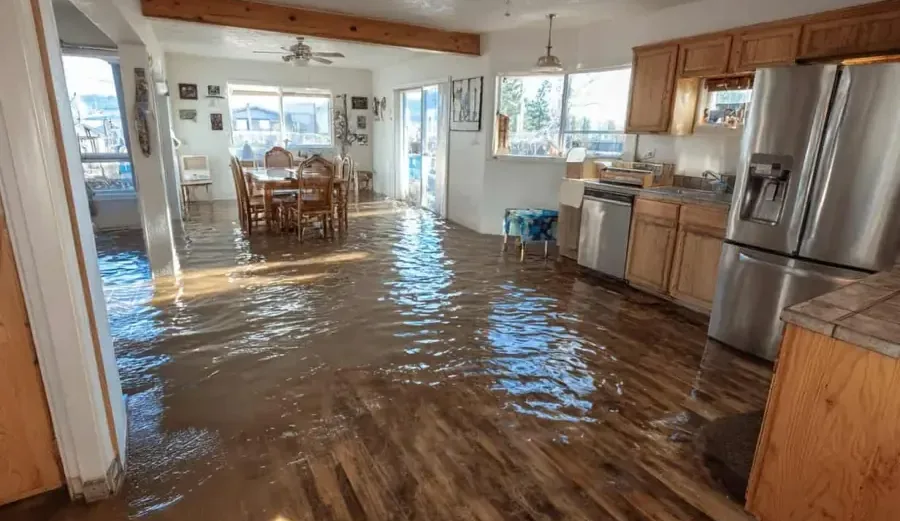
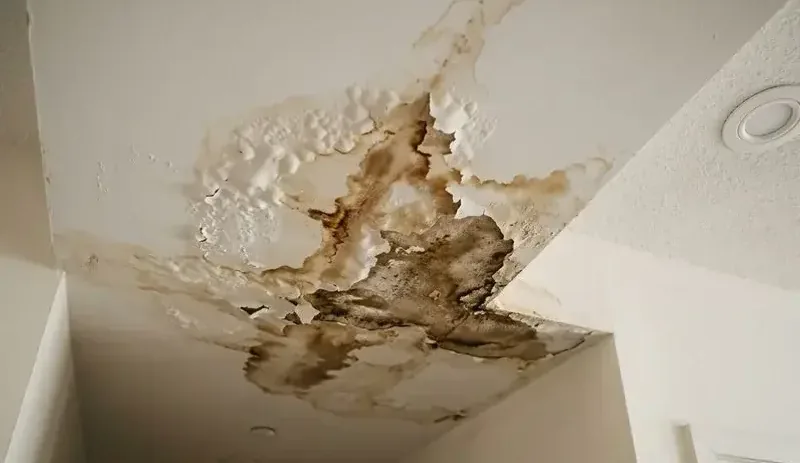
At a property near South Gate Gardens, the inspection also considers the rooms above the affected area. A dry floor surface does not rule out moisture on the underside of the subfloor. Visible staining, insulation condition and moisture readings help connect what happened below with any changes inside. The local restoration overview explains related services if the release has reached occupied rooms.
Resolve the source and remove standing water
The water source affects cleaning requirements and disposal arrangements. Clear appearance alone cannot establish that underfloor water is sanitary. A failed supply connection requires a different assessment from sewage or exterior runoff. The restoration team records the apparent source and coordinates unresolved plumbing or drainage work before treating the space as ready for a final dry-out.
- Pumping reduces the bulk water beneath the floor.
- Wet debris and damaged insulation are assessed separately.
- Hoses and removal routes are arranged to protect clean spaces.
- Photos identify remaining pools that an initial pass could miss.
Properties near Imperial Highway are evaluated individually; no neighborhood foundation pattern is assumed. Accessible soil covers, support surfaces and utility penetrations need inspection because water can collect around obstructions. If contamination is present, suitable cleaning and removal precede ordinary drying. The sewage response describes the additional separation needed for a drain release.
Water beneath the floor needs an access and source assessment.
(888) 563-9619Describe the underfloor conditionsDry the materials that remain
Emptying a pool does not dry the joists or the underside of flooring. Measurements establish which materials absorbed water and which unaffected areas can provide a comparison. Air movement and humidity control then address those retained materials. Limited access, enclosed bays and wet insulation can interrupt drying, so the team documents where equipment can work effectively and where another approach is needed.
Follow-up visits use identifiable measurement points. Slow progress prompts a check for continued entry, trapped water or an inaccessible layer. A property near Tweedy Mile may also require coordination around occupied rooms above, but the equipment plan is based on the actual underfloor layout rather than the business or neighborhood name.
Leave an understandable completion record
The handoff should distinguish the source repair, water removal, discarded materials and final moisture results. Photos show the condition under the building after cleanup. Any remaining access limitation or separate repair need belongs in that record, so later work does not conceal an unresolved section. Completion is tied to the measured materials, not simply to the absence of a visible puddle.
Act on the readings
The drying team follows mapped material readings, keeps people away from hazards and changes the plan when the daily log shows a stalled area.
Crawl space water removal across South Gate and nearby communities
Underfloor water removal is available for suitable South Gate properties near South Gate Gardens, Imperial Highway and Tweedy Mile. An inspection confirms the construction and access before a crawl space work plan is established.
The same service nearby: crawl space water removal in Stanton, Cudahy, Bell.
Dispatch is available around the clock for active water losses throughout the listed area.
Crawl Space Water Removal questions in South Gate, CA
Still dealing with it?
Water beneath the floor needs an access and source assessment.
(888) 563-9619(888) 563-9619Describe the underfloor conditionsDoes every South Gate property have a crawl space?
No local foundation pattern is assumed. The technician confirms whether the building has underfloor access and determines which removal approach fits the construction actually present.
Can pumping alone finish the job?
Pumping clears pooled water, but joists, insulation and subflooring may remain damp. Those materials need separate assessment and documented drying where they are suitable to retain.
Is it safe to enter through the hatch?
The hatch is only the starting point for an entry assessment. Electrical conditions, clearance, water contamination and structural concerns must be assessed before anyone enters the affected space.
What happens to wet insulation?
Its condition, exposure and accessibility determine whether it can remain. Material that cannot be cleaned or dried adequately may need removal before framing can be addressed.
Why inspect the occupied room above?
The floor assembly connects both spaces. Water underneath may affect the subfloor or concealed edges even when the upper finish does not show obvious surface damage.
How are inaccessible sections recorded?
The crew should identify the limitation and explain its effect on the work. An unmeasured section should not be represented as dry merely because nearby readings improved. The record should show exactly where the crew could and could not inspect.
Arrange underfloor water removal
The crew can assess standing water, affected framing and safe equipment access before setting the removal and drying scope for the property.
(888) 563-9619Discuss the crawl space opening