Slab Leak Water Damage in Cudahy, CA
Warm flooring, damp edges or unexplained moisture near a slab call for confirmation before finishes are opened. Cudahy cleanup follows the observed route instead of assuming a pipe pattern.
(888) 563-9619Investigate moisture at the floor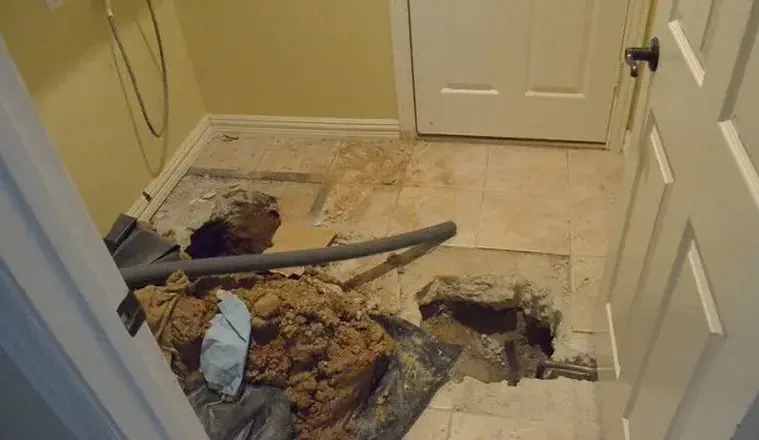
Why the drying plan matters for slab leak water damage
Rapid local response
The response team dispatches 24/7 for active slab leak water damage. The first priority is stopping additional spread and mapping every wet material.
IICRC S500 drying standard
The drying team sizes extraction, air movement and dehumidification to the water category and class of loss, then verifies the drying goal with readings.
Claim-ready documentation
The claim file can include a moisture map, daily psychrometric logs, category and class notes, and timestamped photos before removal begins.
Stanton water experts
The walkthrough follows water along Beach Boulevard, Katella Avenue and Western Avenue properties without assuming that visible staining marks the full loss.
What to do right now for slab leak water damage in Cudahy
- Avoid speculative opening: Do not cut flooring or walls simply to chase a suspected leak before the water route and safe access points are established.
- Note changing signs: Photograph darkened seams, lifted flooring or damp trim and record whether the condition grows after water use.
- Limit water use: Reduce use of the suspected fixture when practical, without operating valves or equipment that appears damaged or unsafe.
- Clear the floor area: Move dry loose items from the affected room so inspectors can compare flooring, baseboards and nearby walls without obstruction.
What does slab leak water damage cost in Cudahy, CA?
Slab loss cost depends on the confirmed source, floor assembly, rooms reached and access needed for drying. Plumbing repair remains distinct from restoration work.
Contained zone
- Underfloor mapping
- Water removal
- Substrate readings
Extended surfaces
- Floor layer access
- Directed airflow
- Progress surveys
Complex scope
- Selective removal
- Condition notes
- Underfloor coordination
Documentation for your insurance claim
The restoration contractor records the source, category, class, moisture map and daily readings. Sudden and accidental water damage and exterior flooding are treated differently. Coverage depends on the policy, so the property owner should check with the insurer. The water damage cost calculator offers a planning range.
How crews handle slab leak water damage in Cudahy
Confirm the moisture pattern
Measurements across the floor and perimeter show whether the damp area has a focused center or extends into connected finishes.
Coordinate source control
A qualified plumbing trade addresses the failed pipe. Restoration planning follows the repair location and the water route found above it.
Open only where justified
Flooring, trim or wall base is removed only when contamination, damage or trapped moisture makes drying in place unsuitable.
Track concrete and finishes
Separate readings for the slab and finish layers show which materials are changing and when the assembly reaches an acceptable comparison.
A damp floor does not by itself identify a buried pipe failure. Moisture at trim, a changing floor temperature or lifting adhesive can justify investigation, but the source must be established before a removal plan is selected. Cudahy slab leak restoration starts with that distinction: plumbing diagnosis identifies the release, while mitigation follows the water that has already entered the building materials.
Map the floor before selecting openings
The first survey records the floor covering, visible changes and accessible edges of the affected assembly. Readings are taken across the suspected area and into apparently unaffected flooring. This comparison can reveal whether moisture follows a joint, collects near a wall or spreads beneath a continuous covering. An opening should answer a specific access question instead of becoming a substitute for diagnosis.
Service includes properties near Elizabeth Learning Center, Ochoa Learning Center and Cudahy Library. No foundation or pipe material is assigned to those locations without a building inspection. The city developed from land offered as one-acre lots, but that history cannot identify the construction beneath a present floor.
- Mark the locations of changing floor conditions.
- Photograph trim, floor seams and loose finishes before removal.
- Keep plumbing findings alongside the moisture survey.
- Identify adjoining rooms with the same continuous floor covering.
Separate the repaired pipe from the wet assembly
Source repair stops additional discharge. It does not remove water held in underlayment, concrete or the lower edge of a wall. After the plumbing work, the restoration team checks whether readings stabilize or continue to rise. A continuing increase requires another source assessment before the drying scope is treated as complete.
Floor layers can behave differently. A resilient surface may conceal damp material below, while a porous edge may release water readily. The team evaluates attachment, swelling, contamination and useful access. Where a covering must come up, photographs and removal notes explain why it could not remain. Sound material outside the wet boundary stays protected during access work.
- Record which layer actually contains retained moisture.
- Protect exposed edges from foot traffic during drying.
- Keep replacement finishes out until the substrate is evaluated.
Damp flooring deserves a source check before removal.
(888) 563-9619Explain changes in flooring or trimWatch the slower surfaces
Drywall at the room edge may improve before the floor beneath it. Monitoring therefore tracks materials separately instead of averaging the room into a single result. Equipment may need adjustment as exposed surfaces release water and less accessible layers become the remaining concern. The drying assessment explains the role of repeated measurements after liquid removal.
In a rental property, the inspection contact should know which adjoining spaces remain unavailable. The substantial rented housing share makes access coordination relevant, but occupancy does not determine liability for a leak. The report identifies what was inspected and what still needs permission or investigation.
Prepare for floor repair with a clear handoff
The mitigation record should distinguish source correction, removed finishes and remaining substrate conditions. Final readings are compared with suitable dry references, and any area that could not be tested remains clearly identified. This gives the flooring or repair trade a useful starting point without promising that every original covering can be reused.
For moisture that turns out to come from above the floor, the Cudahy service selection connects the appropriate cleanup work. Revising the source description is better than continuing a slab leak assumption after inspection points elsewhere. The final scope should describe the actual release and its measured effects.
Act on the readings
The drying team follows mapped material readings, keeps people away from hazards and changes the plan when the daily log shows a stalled area.
Slab leak water damage across Cudahy and nearby communities
Slab related water cleanup serves Cudahy properties near Elizabeth Learning Center, Ochoa Learning Center and Cudahy Library. The inspected floor layers and plumbing findings determine access, removal and the drying plan for each affected room.
The same service nearby: slab leak water damage in Stanton, Bell, South Gate.
Dispatch is available around the clock for active water losses throughout the listed area.
Slab Leak Water Damage questions in Cudahy, CA
Still dealing with it?
Damp flooring deserves a source check before removal.
(888) 563-9619(888) 563-9619Explain changes in flooring or trimDoes a warm spot prove a slab leak?
A warm area can support further investigation but does not identify a source by itself. Moisture readings and plumbing evaluation are needed before restoration openings are selected. Equipment location follows that mapped pattern rather than the warmest point alone.
Why can flooring stay damp after repair?
Stopping the pipe ends new water, yet absorbed moisture may remain in concrete, underlayment, adhesive or wall bases. Those materials release water at different rates.
Must every floor covering be removed?
Removal depends on finish condition, contamination, attachment and access. Some materials can dry with monitoring, while others trap moisture or cannot be restored safely in place.
Who repairs the buried pipe?
Pipe diagnosis and repair belong to the appropriate plumbing professional. The mitigation team documents spread, manages wet finishes and verifies the drying portion of the loss.
How is the drying area selected?
Technicians compare a grid of readings across the damp floor with unaffected reference points. The pattern helps place equipment and limits unnecessary disruption outside the boundary.
What information helps before inspection?
Useful details include when the sign appeared, recent water use, rooms involved and any plumbing findings. Photographs of changing floor or trim conditions also preserve context.
Keep the affected floor available for measurements
A floor assessment connects plumbing findings with absorbed moisture so necessary openings and later drying checks address the actual wet assembly.
(888) 563-9619Request a slab moisture assessment