Slab Leak Water Damage in South Gate, CA
Warm flooring, unexplained dampness, or water appearing at a wall base can point to a concealed source that needs plumbing diagnosis, repair, detailed moisture mapping, and a separate drying plan.
(888) 563-9619Schedule a floor assessment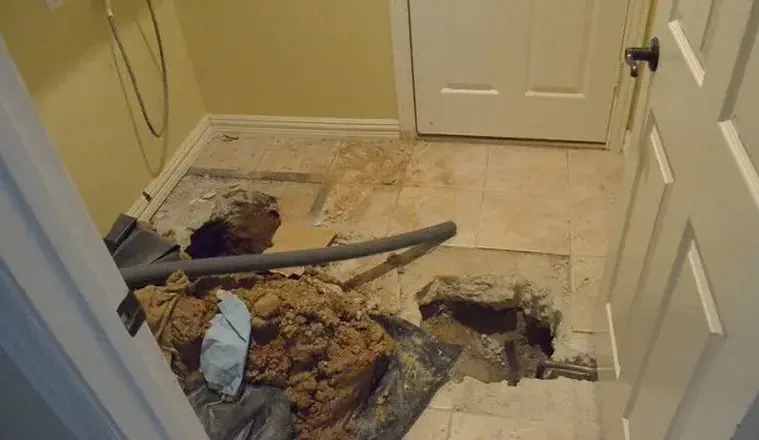
Why the drying plan matters for slab leak water damage
Rapid local response
The response team dispatches 24/7 for active slab leak water damage. The first priority is stopping additional spread and mapping every wet material.
IICRC S500 drying standard
The drying team sizes extraction, air movement and dehumidification to the water category and class of loss, then verifies the drying goal with readings.
Claim-ready documentation
The claim file can include a moisture map, daily psychrometric logs, category and class notes, and timestamped photos before removal begins.
Stanton water experts
The walkthrough follows water along Beach Boulevard, Katella Avenue and Western Avenue properties without assuming that visible staining marks the full loss.
What to do right now for slab leak water damage in South Gate
- Protect the wet area: Keep people off slippery or lifting flooring and away from damp electrical components until the room is checked.
- Arrange source diagnosis: Have the concealed plumbing problem identified and controlled so fresh water does not continue entering the floor assembly.
- Document surface changes: Photograph staining, lifted edges, damp wall bases, and belongings before materials are moved or opened.
- Avoid cosmetic covering: Do not place new flooring or trim over a damp assembly before readings establish that the underlying materials are ready.
What does slab leak water damage cost in South Gate, CA?
Pricing reflects the affected floor area, finish layers, cabinet involvement, drying access, required removal, and whether water has reached adjoining rooms, walls, or concealed floor edges.
Contained zone
- Underfloor mapping
- Water removal
- Drying checks
Extended assemblies
- Material opening
- Local gear
- Progress tests
Complex scope
- Selective removal
- Condition logs
- Underfloor coordination
Documentation for your insurance claim
The restoration contractor records the source, category, class, moisture map and daily readings. Sudden and accidental water damage and exterior flooding are treated differently. Coverage depends on the policy, so the property owner should check with the insurer. The water damage cost calculator offers a planning range.
How crews handle slab leak water damage in South Gate
Map the floor
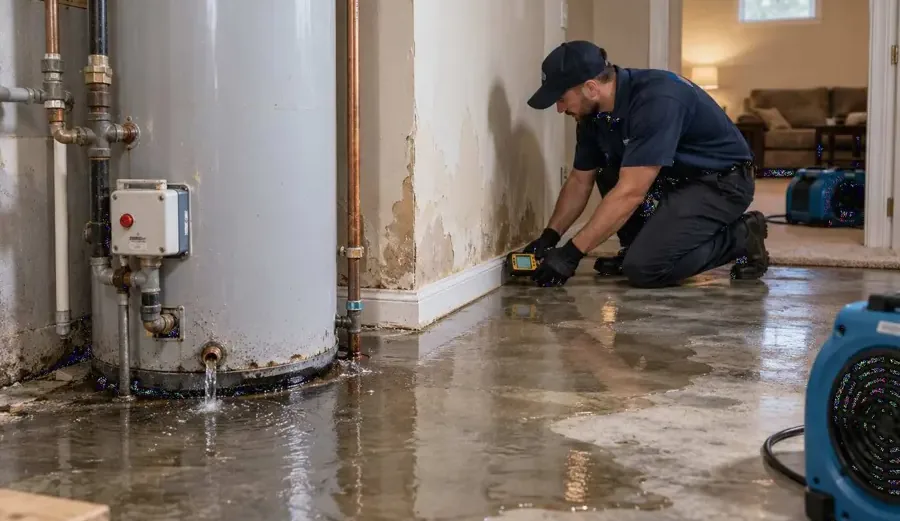
Compare readings across visible damage, transitions, wall edges, cabinets, and nearby dry areas to outline the affected assembly.
Coordinate source control
Keep the plumbing repair record with the restoration file and confirm that the repaired source is no longer adding water.
Create drying access
Extract open water, expose trapped sections where justified, and arrange dehumidification around materials that can be restored.
Track each zone
Recheck consistent locations, investigate sections that stall, and document final comparisons before replacement finishes are considered.
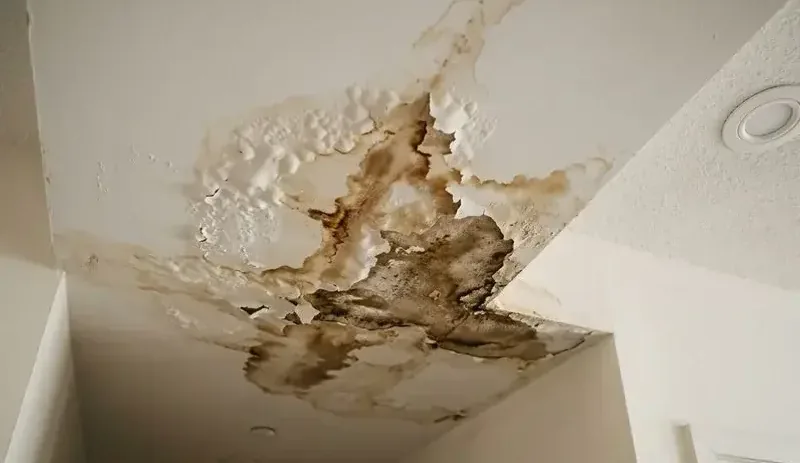
Water from below a floor does not respect the outline of the first stain. In a home near South Gate Gardens, it may travel along seams, beneath a floating surface, or toward wall plates before becoming noticeable.
Separate the pipe repair from the damage scope
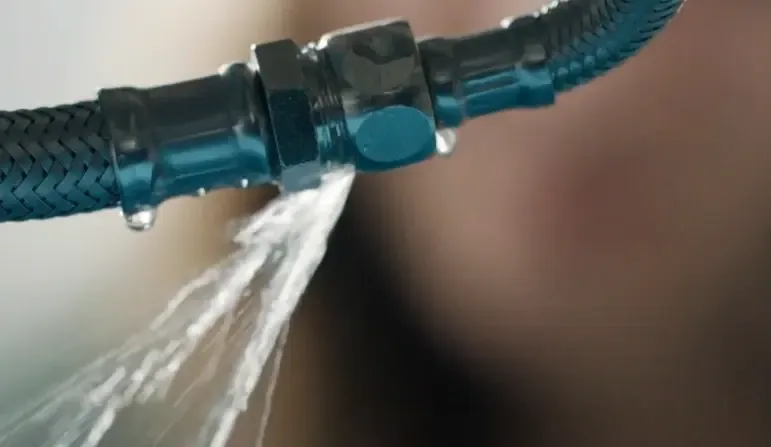
A plumbing professional identifies and repairs the failed pipe. Restoration work addresses water that has already reached flooring, walls, cabinets, or belongings. Keeping those tasks distinct makes the record clearer and prevents a repaired source from being mistaken for a dry structure.
- The crew records visible changes and moisture readings before opening materials.
- Dry areas provide comparison points across the same type of finish.
- Floor transitions and room edges receive particular attention.
- Access decisions consider both drying potential and material condition.
Floor construction changes the approach
Concrete can remain damp while a surface appears normal. Flooring above it may trap moisture, adhesives may soften, and wall bases can absorb water at the perimeter. A property along Tweedy Boulevard can contain different floor systems from room to room, so a single method rarely fits the complete route.
When water collects openly, water extraction removes the accessible portion first. Materials that remain wet then move into a structural drying plan. The sequence can include lifting loose coverings, removing damaged base material, creating limited access, and arranging dehumidification around the exposed assembly.
The map should extend across transitions instead of stopping where one finish ends. A dry comparison on similar concrete or wall material gives the elevated readings useful context. If moisture appears near a cabinet, the toe kick and wall junction can be examined before broader opening begins. These checks distinguish a compact wet zone from a route that has reached another room. They also give the drying team fixed places to monitor after the plumbing work is complete.
A hidden source needs a measured floor plan.
(888) 563-9619Describe the floor changesMeasurements support selective removal
Removal should solve an access, contamination, or material failure problem. It should not be based on guesswork. Technicians look for swelling, separation, trapped moisture, odor, and slow reading changes. Sound surfaces that respond to drying may remain. Materials that block access or cannot be restored are documented before controlled removal.
- Cabinet bases are checked where water has reached toe kicks or wall junctions.
- Adjoining rooms are compared across continuous flooring.
- Air movement is aimed at exposed wet surfaces rather than sealed finishes.
- Monitoring continues at the same marked locations for useful trends.
Local context belongs in the inspection
The city has residential streets, the commercial setting of Tweedy Mile, and areas near Imperial Highway, but no citywide foundation or pipe pattern is confirmed by the approved research. The team therefore avoids assumptions about a building from its location. Construction details and current measurements inside the property control the work.
Photographs, the plumbing repair record, moisture maps, and final comparisons form a practical file for ownership or insurance discussions. The carrier applies the policy, while the restoration record explains the observed damage and mitigation choices. Final notes can distinguish dried material from flooring or trim left for later repair.
Act on the readings
The drying team follows mapped material readings, keeps people away from hazards and changes the plan when the daily log shows a stalled area.
Slab leak water damage across South Gate and nearby communities
Slab leak drying is available throughout South Gate, from homes near South Gate Gardens to properties around Tweedy Boulevard and Imperial Highway. Building specific readings and material findings determine every floor scope.
The same service nearby: slab leak water damage in Stanton, Cudahy, Bell.
Dispatch is available around the clock for active water losses throughout the listed area.
Slab Leak Water Damage questions in South Gate, CA
Still dealing with it?
A hidden source needs a measured floor plan.
(888) 563-9619(888) 563-9619Describe the floor changesWhat signs can accompany a concealed floor leak?
Possible signs include unexplained dampness, a warm section, lifting floor edges, a recurring wall base stain, or water appearing without a nearby spill. Those clues still require plumbing diagnosis and moisture inspection before conclusions are made.
Who repairs the pipe below the floor?
A plumbing professional handles diagnosis and repair of the failed pipe. The restoration crew documents and treats water damage to floors, walls, cabinets, and contents after coordinating around that source work.
Must all flooring be removed?
No. The choice depends on the finish, attachment, contamination, condition, trapped moisture, and whether drying access can be created. Readings and material response support selective decisions rather than automatic full removal.
Why check walls during a floor leak?
Water can move to the perimeter and wick into baseboards, drywall, framing, or cabinet panels. Wall base readings show whether the loss remains within the floor or has entered connected vertical materials.
Can new flooring be installed immediately after repair?
The pipe repair stops new water, but it does not dry materials that were already wet. Replacement should wait until the affected assembly is cleaned, dried, and documented for the chosen finish system.
What records are useful for a claim?
Keep photographs, plumbing findings, repair paperwork, moisture maps, removal notes, drying logs, and final readings. The insurance carrier examines those materials under the policy and decides what coverage applies.
Keep traffic off lifting or slick surfaces
The restoration team can map the affected assembly, coordinate with source repair, and document which finishes can dry in place.
(888) 563-9619Arrange a slab moisture survey