Crawl Space Water Removal in Newport Beach, CA
A pool below a raised floor can wet insulation and timber without an obvious upstairs stain. The crew assesses access, removes standing water and measures the underfloor materials that remain affected.
(888) 563-9619Describe Newport Beach underfloor conditions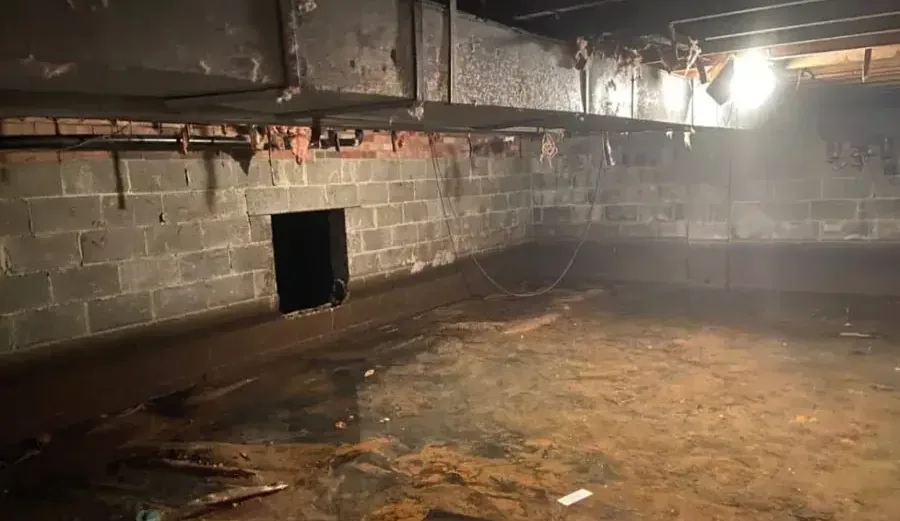
Why the drying plan matters for crawl space water removal
Rapid local response
The response team dispatches 24/7 for active crawl space water removal. The first priority is stopping additional spread and mapping every wet material.
IICRC S500 drying standard
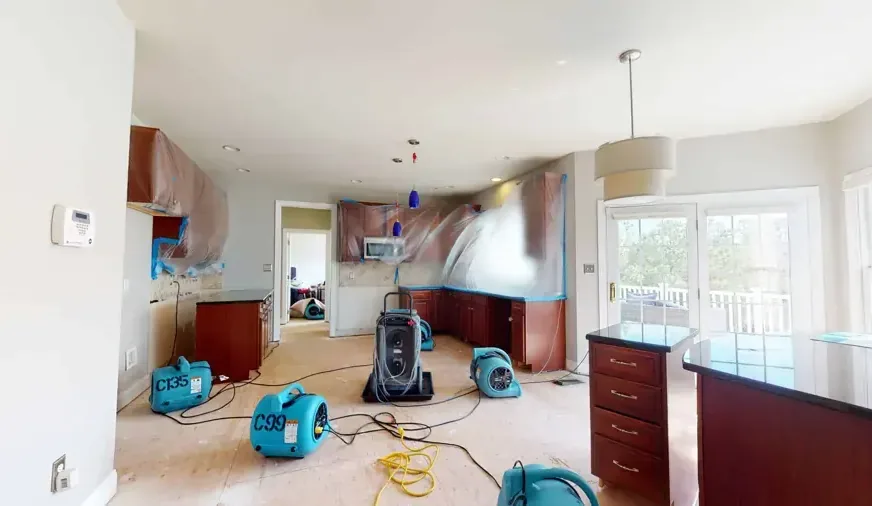
The drying team sizes extraction, air movement and dehumidification to the water category and class of loss, then verifies the drying goal with readings.
Claim-ready documentation
The claim file can include a moisture map, daily psychrometric logs, category and class notes, and timestamped photos before removal begins.
Stanton water experts
The walkthrough follows water along Beach Boulevard, Katella Avenue and Western Avenue properties without assuming that visible staining marks the full loss.
What to do right now for crawl space water removal in Newport Beach
- Keep the hatch area clear: Occupants should stay outside the wet underfloor space until electrical conditions and safe entry are assessed.
- Describe the observed water: A property contact can explain when the pool appeared, whether a plumbing fault is known and whether exterior water also entered.
- Locate safe access: Available openings and nearby dry routes help the technician plan an assessment while protecting clean occupied rooms.
- Protect the rooms above: Dry contents should stay away from the access route while any new floor staining or unusual dampness is reported for inspection.
What does crawl space water removal cost in Newport Beach, CA?
Underfloor cleanup pricing reflects safe access, water removal, contamination and affected insulation or timber. The estimate should explain any inaccessible bay and separate required repairs from the measured drying work.
Contained zone
- Access assessment
- Pool removal
- Moisture readings
Extended finishes
- Insulation access
- Drying equipment
- Material checks
Complex scope
- Selective removal
- Condition notes
- Crawlspace coordination
Documentation for your insurance claim
The restoration contractor records the source, category, class, moisture map and daily readings. Sudden and accidental water damage and exterior flooding are treated differently. Coverage depends on the policy, so the property owner should check with the insurer. The water damage cost calculator offers a planning range.
How crews handle crawl space water removal in Newport Beach
Confirm construction and source
The team identifies the underfloor layout and possible entry routes, noting hazards and inaccessible bays before choosing equipment or allowing work to proceed.
Pump and assess materials
Accessible standing water is removed, then insulation, debris and floor supports are examined to establish cleaning needs and any material that cannot remain.
Follow the damp timber
Drying focuses on the retained assembly, with repeat joist and subfloor readings helping distinguish real progress from a change only in surface appearance.
Explain the completed scope
The handoff records accessible areas treated, final moisture observations and unresolved repairs, giving the owner a clear basis for arranging any additional work.
Crawl space water removal applies to a Newport Beach building only when that underfloor construction is present. The crew checks the foundation type, entry clearance and current moisture condition at the building before choosing an approach. An inspection identifies the access opening and the affected area before setting a pumping or drying plan. A dry occupied floor above can coexist with wet subflooring underneath.
Determine how water reached the space
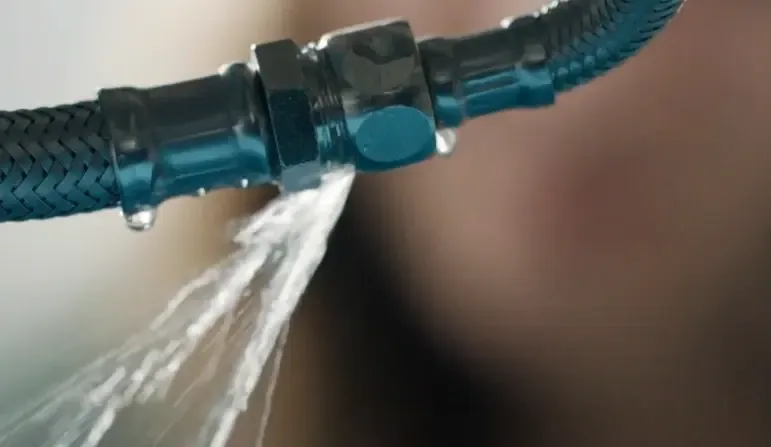
A supply pipe, drain release or exterior entry can each leave water under a building. The source affects both cleaning and the steps needed to prevent renewed wetting. The technician records visible evidence and any limitations that keep the cause uncertain. Clear water is not automatically sanitary once it has contacted soil, debris or other material below the floor.
Balboa Island and Newport Island are among the areas the city identifies as vulnerable during unusually high tides. The inspection must still identify how water reached the particular crawl space and whether the source remains active. Observations at the property determine whether storm flood cleanup, plumbing coordination or another response is appropriate.
Plan access without exposing occupants
Low openings, utility runs and limited turning space can constrain equipment and personnel. Standing water near electrical components is a reason to keep the space out of use until qualified assessment. Occupants should not enter to retrieve belongings or place a household fan. The crew must be able to move safely, control hoses and remove materials without spreading contamination upstairs.
- The hatch and proposed equipment route are checked before entry.
- Water depth and visible contamination are documented from safe access.
- Wet insulation is separated from retained structural materials.
- Unreachable bays are identified as inspection limitations.
Underfloor water needs a plan that fits the actual access.
(888) 563-9619Discuss the water beneath the floorRemove pools and inspect the floor assembly
Pumping tackles the bulk water, but low spots around supports can remain wet after the most visible pool is gone. The crew checks accessible sections again and records residual water. Soaked insulation, debris and damaged soil covers need their own material decisions. Cleaning follows the exposure, rather than treating every underfloor release as a clean supply leak.
For a raised-floor property in Corona del Mar, the underside of the occupied floor receives close attention. Joists, subfloor edges and accessible connections can hold moisture beyond the pool boundary. The Newport Beach restoration overview includes interior extraction if the same event also reached rooms above or beside the underfloor space.
Verify drying where the moisture remains
Equipment placement depends on the actual openings and wet materials. A unit placed near the hatch may not address an enclosed section farther inside. Material readings and air conditions help the technician evaluate that difference. Monitoring locations should remain recognizable so later visits compare the same surfaces rather than unrelated convenient spots.
Before the work is handed back, the owner needs an account of what was removed, cleaned and dried. Photos record the accessible underfloor condition. Final readings explain the completion decision, while separate plumbing, drainage or construction needs remain clearly identified. Any area that could not be reached stays listed as a limitation, not silently included in a claim that the whole space is dry.
Act on the readings
The drying team follows mapped material readings, keeps people away from hazards and changes the plan when the daily log shows a stalled area.
Crawl space water removal across Newport Beach and nearby communities
Crawl space removal serves suitable Newport Beach properties on Balboa Island, Newport Island and in Corona del Mar. The building must be inspected for underfloor construction, safe access and the actual source of water.
The same service nearby: crawl space water removal in Stanton, Tustin, South Gate.
Water damage restoration in Newport Beach · every town covered
Dispatch is available around the clock for active water losses throughout the listed area.
Related water damage services in Newport Beach
Crawl Space Water Removal questions in Newport Beach, CA
Still dealing with it?
Underfloor water needs a plan that fits the actual access.
(888) 563-9619(888) 563-9619Discuss the water beneath the floorDoes coastal flooding explain every underfloor pool?
No. A plumbing release or another entry route may be responsible. Local flood context informs the discussion, but property observations establish the source and cleanup requirements.
Can an occupant place a fan under the floor?
Entry and electrical hazards should be assessed first. A household fan near the hatch cannot establish whether enclosed bays or the underside of flooring are drying adequately. Placement follows the observed material response.
What remains after the pool is pumped out?
Insulation, timber and low spots may still hold water. The crew examines those materials and records which need cleaning, removal or continued drying after extraction.
How is the room above assessed?
Readings and visible changes help connect the upper floor with its underside. Surface appearance alone does not describe moisture inside or below the complete floor assembly.
What if the opening is too small?
Access limitations become part of the assessment. The contractor should explain available options and avoid describing unreachable materials as inspected or verified dry without suitable access.
When is the underfloor work complete?
Completion rests on the treated materials and recorded drying results, with the source addressed. The handoff should also identify any separate repairs or areas outside the accessible scope.
Arrange Newport Beach crawl space inspection
The restoration crew can assess accessible pools, wet insulation and floor framing, then explain removal and drying options for the affected underfloor area.
(888) 563-9619Describe the crawl space layout