Crawl Space Water Removal in Tustin, CA
Crawl space cleanup applies only where a Tustin building has an accessible area beneath its floor. The assessment considers standing water, electrical hazards, insulation and the condition of supports before extraction starts.
(888) 563-9619Assess water below the floor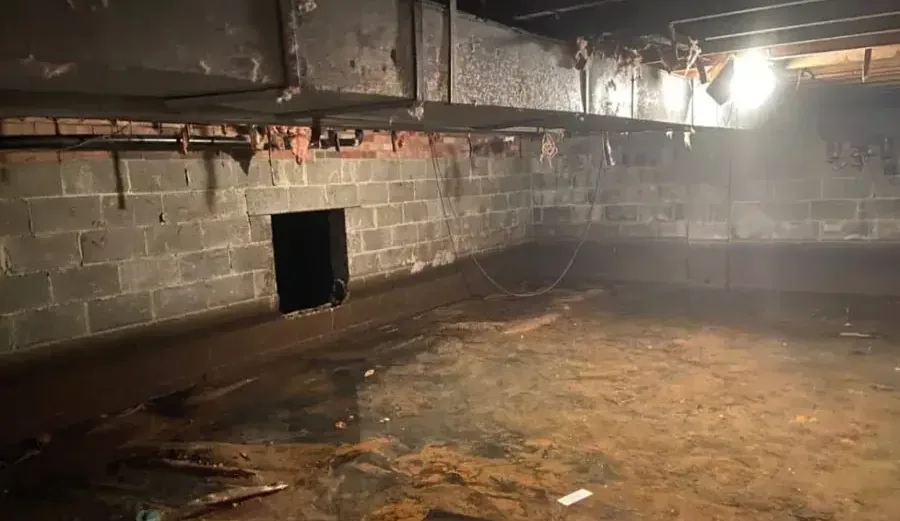
Why the drying plan matters for crawl space water removal
Rapid local response
The response team dispatches 24/7 for active crawl space water removal. The first priority is stopping additional spread and mapping every wet material.
IICRC S500 drying standard
The drying team sizes extraction, air movement and dehumidification to the water category and class of loss, then verifies the drying goal with readings.
Claim-ready documentation
The claim file can include a moisture map, daily psychrometric logs, category and class notes, and timestamped photos before removal begins.
Stanton water experts
The walkthrough follows water along Beach Boulevard, Katella Avenue and Western Avenue properties without assuming that visible staining marks the full loss.
What to do right now for crawl space water removal in Tustin
- Do not enter blindly: Avoid a low space with standing water, wiring concerns, unstable access or an unknown contamination source.
- Control water above: Stop a contributing indoor fixture when safe and prevent additional discharge from reaching the space below.
- Leave vents unchanged: Do not alter openings before the source, outdoor conditions and drying approach are assessed.
- Report signs from indoors: Note damp flooring, odors or soft areas above without crawling underneath to locate the source.
What does crawl space water removal cost in Tustin, CA?
Below floor cleanup costs vary with entry clearance, water depth and contamination. Inspection identifies the reachable supports and insulation, then sets the extraction, protective handling and drying work appropriate to that space.
Contained area
- Crawlspace mapping
- Water removal
- Drying surveys
Extended materials
- Material reach
- Local gear
- Progress checks
Complex scope
- Selective removal
- Condition records
- Crawlspace coordination
Documentation for your insurance claim
The restoration contractor records the source, category, class, moisture map and daily readings. Sudden and accidental water damage and exterior flooding are treated differently. Coverage depends on the policy, so the property owner should check with the insurer. The water damage cost calculator offers a planning range.
How crews handle crawl space water removal in Tustin
Evaluate the opening
The team checks standing water, electricity, clearance and contamination before people or equipment enter.
Remove accessible water
Pumps or extraction tools address pooled water while dirty debris stays inside a controlled route.
Inspect present assemblies
Subfloor, supports, insulation and perimeter areas receive separate condition and moisture checks.
Manage below floor drying
Air and vapor control follow the actual enclosure, with repeat structural readings establishing completion. Access limits and unobserved sections remain stated clearly in the closing documentation.
A property in Peppertree, Laurelwood or Columbus Square needs crawl space work only if its construction includes that area. The first assessment checks the entry and below floor conditions. Water depth, electrical hazards and clearance determine safe access before the crew maps wet supports, subfloor sections or insulation.
Entry safety determines the first work
A low opening can hide standing water, damaged wiring, unstable soil or sewage contact. Occupants should report signs from above rather than entering an uncertain area. Damp flooring, a changed odor or water visible through a safe access point can support an assessment without exposing anyone to the space.
- Indoor sources are stopped when their controls are safely accessible.
- Crawl openings remain undisturbed until the air strategy is selected.
- Electrical concerns and suspected sewage keep ordinary entry closed.
- Photographs document reachable conditions before pumping changes them.
Water removal respects the enclosure
Pumps or extraction tools are chosen for depth, debris and access. Dirty material stays controlled so it does not travel into occupied rooms. Removing open water is only the first phase because supports, subfloor and insulation may retain moisture after the ground surface appears clear.
The local crawl space service evaluates only materials actually present. No neighborhood name, including Columbus Square or Laurelwood, proves a property has this construction.
Below floor water starts with a safe access decision.
(888) 563-9619Describe signs seen from aboveBelow floor materials need separate decisions
Wood supports, subfloor, insulation and any liner behave differently. Insulation that is saturated, contaminated or compressed may need controlled removal. Sound structural wood can remain for monitored drying when access and sanitation allow it.
- Joists and subfloor receive readings at marked locations.
- Perimeter supports are checked where the observed route reaches them.
- Insulation decisions follow its condition and ability to dry.
- Inaccessible sections are identified rather than treated as inspected.
Ventilation is part of a plan, not a default
Opening every vent can introduce humid air or move contaminants toward the occupied structure. Air movement and dehumidification are selected for the actual enclosure, outdoor conditions and material load. Repeat structural readings show whether the arrangement is working.
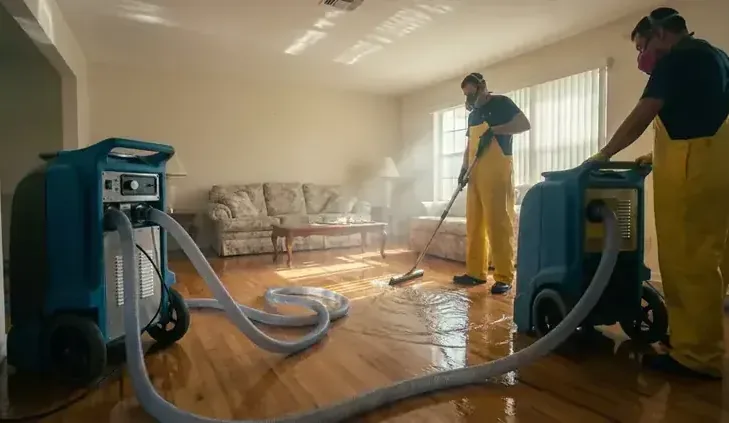
When water also affects rooms above, the local water damage hub connects extraction and structural drying options. Final crawl space records identify access limits, removed water, present materials and comparison readings without making a claim about every local building.
Water below the floor may have more than one contributor. An indoor pipe release, exterior entry or drainage condition can place water in the same low area, but cleanup should not name a cause without evidence. Observations above the floor, source repair findings and the pattern below help distinguish the likely route. After pumping, technicians can look for renewed pooling before assuming the condition is stable. If water returns, source investigation continues rather than relying on additional drying equipment. If the space stays clear, subfloor and support readings become the focus. This sequence keeps water removal from masking an unresolved contributor.
Safe reentry also depends on keeping the access route stable, clear and documented throughout monitoring.
Act on the readings
The drying team follows mapped material readings, keeps people away from hazards and changes the plan when the daily log shows a stalled area.
Crawl space water removal across Tustin and nearby communities
Properties in Peppertree, Laurelwood and Columbus Square can receive a crawl space assessment where that construction exists. The entry opening, hazards and reachable materials determine whether removal equipment can operate safely beneath the floor.
The same service nearby: crawl space water removal in Stanton, Newport Beach, South Gate.
Dispatch is available around the clock for active water losses throughout the listed area.
Crawl Space Water Removal questions in Tustin, CA
Still dealing with it?
Below floor water starts with a safe access decision.
(888) 563-9619(888) 563-9619Describe signs seen from aboveDoes every local home have a crawl space?
No. The facts confirm no citywide foundation mix. Service applies only after the building is shown to have a crawl area.
Can an occupant pump it out?
Standing water may involve electricity, sewage or unstable access. Those conditions should be assessed before ordinary equipment enters.
Which materials are checked below?
Present joists, subfloor, insulation, liners and supports receive separate condition and moisture checks.
Should vents stay open?
Vent position depends on outdoor conditions, contamination and the selected drying strategy. Unplanned airflow can create problems.
When is insulation removed?
Saturation, contamination, compression and access govern the decision. Clean sound material may support monitored drying.
How is completion documented?
Photographs identify reached areas, while repeated structural readings show progress at marked locations and note access limits.
Why is the space observed after pumping?
A cleared floor can refill when the contributing source remains active. Watching for renewed water helps separate a one time accumulation from continuing entry. Drying equipment should not substitute for source investigation when fresh pooling appears beneath the structure. The observation period also gives the crew time to inspect reachable supports for a fresh drip or flow path that could identify the active contributor before equipment placement.
Keep uncertain crawl openings closed
The first assessment establishes whether the space can be entered safely. Reachable supports, insulation and subfloor sections then receive separate records for extraction, cleaning or continued drying.
(888) 563-9619Request a crawl space inspection