Ceiling Leak Water Damage in South Gate, CA
A damp ceiling can conceal wet insulation, framing or an ongoing plumbing release. South Gate cleanup begins with safe overhead access and source checks before damaged finish is removed and retained materials are dried.
(888) 563-9619Discuss the South Gate ceiling leak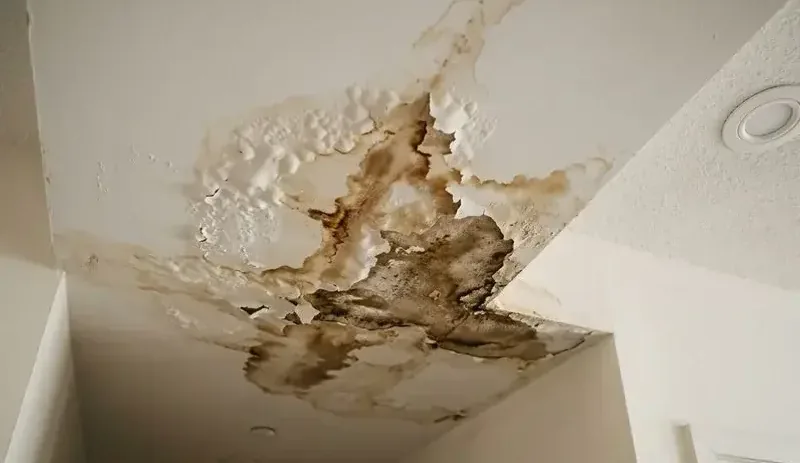
Why the drying plan matters for ceiling leak water damage
Rapid local response
The response team dispatches 24/7 for active ceiling leak water damage. The first priority is stopping additional spread and mapping every wet material.
IICRC S500 drying standard
The drying team sizes extraction, air movement and dehumidification to the water category and class of loss, then verifies the drying goal with readings.
Claim-ready documentation
The claim file can include a moisture map, daily psychrometric logs, category and class notes, and timestamped photos before removal begins.
Stanton water experts
The walkthrough follows water along Beach Boulevard, Katella Avenue and Western Avenue properties without assuming that visible staining marks the full loss.
What to do right now for ceiling leak water damage in South Gate
- Avoid unstable finish: Occupants should remain outside the area below sagging drywall, loose plaster or wet fixtures pending assessment.
- Identify the space above: The property contact should report any bathroom, appliance or roof area above the damage and arrange access for inspection when needed.
- Record the first signs: Safe photographs of the stain and nearby surfaces help document the room before material removal changes the appearance of the loss.
- Report active water: Continued dripping, spreading discoloration or water on the floor should be included in the initial call about the ceiling damage.
What does ceiling leak water damage cost in South Gate, CA?
Ceiling work depends on safe access, affected insulation, material stability and spread into nearby walls. The estimate should explain removal and drying separately from plumbing repair and new finish installation.
Contained zone
- Ceiling mapping
- Water removal
- Drying tests
Extended assemblies
- Cavity opening
- Room protection
- Drying records
Complex scope
- Selective removal
- Condition documents
- Ceiling coordination
Documentation for your insurance claim
The restoration contractor records the source, category, class, moisture map and daily readings. Sudden and accidental water damage and exterior flooding are treated differently. Coverage depends on the policy, so the property owner should check with the insurer. The water damage cost calculator offers a planning range.
How crews handle ceiling leak water damage in South Gate
Locate the source
Inspection relates the overhead damage to accessible plumbing, equipment or roof conditions and notes where another trade is needed to control the release.
Protect and open
The team prepares the room and removal route before creating necessary access or taking down material that cannot safely remain in place.
Dry connected materials
The drying scope follows damp framing, ceiling edges and wall connections, with monitoring points that allow useful comparisons as conditions change over time.
Document repair readiness
Final notes identify retained materials, completion readings and any remaining source or access issue so replacement work does not conceal an unresolved wet section.
The wettest part of a ceiling is not always the point directly beneath the source. Water can travel across an overhead assembly and emerge at a joint, fixture or wall connection. A ceiling assessment begins by connecting those visible clues with the rooms and utilities above. Cleanup should address the cause and concealed moisture, not merely the discolored paint.
Make the room safe for assessment
Loose plaster, sagging drywall and water near electrical fixtures create conditions that occupants should avoid. No one should stand beneath a bulge to push it upward or cut into it. A technician assesses the material and access while qualified trades address any utility hazard. Belongings can be photographed from a safe position before the work area is established.
In a property near Tweedy Boulevard, the ceiling may separate rooms with different occupants or uses. The property contact should identify the space above and arrange access where needed. That coordination helps the inspection connect the stain with a possible plumbing or equipment release. The appliance leak response covers water from a machine or its connection when that source is established.
Describe what is wet before removing it
Photos locate the damage within the room, while measurements help identify changes around its perimeter. Accessible insulation and framing receive separate checks. A contractor should explain whether an opening is needed to inspect the source, remove weakened material or provide drying access. Recording that purpose makes the difference between original damage and restoration access clear.
- Inspect ceiling edges beyond the darkest visible stain.
- Check walls where the overhead water route may continue downward.
- Assess flooring and contents reached by dripping water.
- Record any space that cannot yet be accessed safely.
Wet ceilings deserve an assessment before the finish is disturbed.
(888) 563-9619Describe the overhead waterRetain only materials that can be addressed properly
The condition of drywall, plaster and insulation affects whether they can stay. Some materials lose integrity after saturation; others may remain if cleaning and drying are feasible. A decision based only on a dry painted face misses the concealed layers. The plan should identify how those layers will be inspected and what evidence will support their condition before repair.
In South Gate Gardens, arranging access above and below the stain helps the crew inspect the ceiling construction directly. The actual room and assembly control the work. When the source is overhead rain entry, roof leak restoration coordinates interior drying with separate attention to the exterior opening.
Use readings to decide the repair handoff
Equipment placement should serve the exposed wet materials and allow continued inspection. Measurements taken at consistent points show whether one bay or wall edge remains damp after other areas improve. That difference can reveal trapped moisture or renewed entry. It should be explained in the record rather than hidden behind a single room-wide completion statement.
For work near Imperial Highway, the owner or property manager may need to coordinate several trades. The restoration file should distinguish source repair, removal, drying and finish replacement. Photos and final readings document the retained ceiling materials, while any outstanding concern remains visible before new drywall or plaster closes access to the cavity.
Act on the readings
The drying team follows mapped material readings, keeps people away from hazards and changes the plan when the daily log shows a stalled area.
Ceiling leak water damage across South Gate and nearby communities
Ceiling cleanup is available for South Gate properties around Tweedy Boulevard, South Gate Gardens and Imperial Highway. The source above the affected room and the condition of connected materials define the inspection and drying scope.
The same service nearby: ceiling leak water damage in Stanton, Cudahy, Bell.
Dispatch is available around the clock for active water losses throughout the listed area.
Ceiling Leak Water Damage questions in South Gate, CA
Still dealing with it?
Wet ceilings deserve an assessment before the finish is disturbed.
(888) 563-9619(888) 563-9619Describe the overhead waterWhy check the room above the stain?
The source may be plumbing or equipment in that space. Access above helps connect the visible mark with the release and separates source repair from ceiling restoration.
Can a stopped drip leave significant moisture?
Yes. Insulation and framing can retain water after dripping ends. Readings and cavity inspection establish whether those materials still need access, removal or continued drying.
Should occupants drain a ceiling bulge?
Occupants should keep clear of the unstable area. Safe access, material stability and electrical conditions need assessment before controlled opening or removal is attempted by the restoration team.
Is repainting part of the first response?
Cosmetic work follows the source and moisture assessment. Painting early can cover evidence while leaving the underlying assembly damp or an unresolved leak able to return.
What if the wall below is also wet?
The wall becomes part of the measured loss. Its finish and cavity are assessed separately so the drying scope includes the connected route beyond the ceiling.
How is the completion decision explained?
The record should connect final readings to specific retained materials, show removal areas and state any limitations. It should also distinguish restoration from the next trade’s repair scope.
Plan an overhead moisture inspection
The restoration team can establish safe access, check connected walls and record the drying work needed after the source above the room is controlled.
(888) 563-9619Discuss the ceiling and adjoining rooms