Ceiling Leak Water Damage in Bell, CA
An overhead stain describes where water became visible, not everything it reached. Bell ceiling restoration considers the room above, the stability of the damaged finish and the hidden route into nearby walls before drying starts.
(888) 563-9619Explain the overhead water signs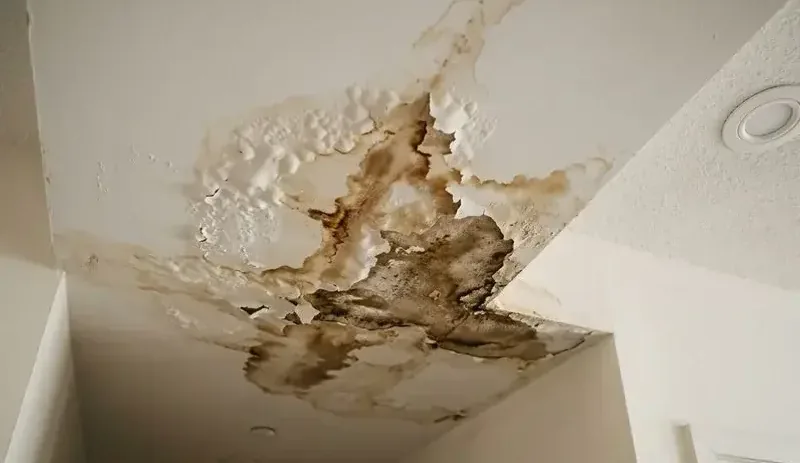
Why the drying plan matters for ceiling leak water damage
Rapid local response
The response team dispatches 24/7 for active ceiling leak water damage. The first priority is stopping additional spread and mapping every wet material.
IICRC S500 drying standard
The drying team sizes extraction, air movement and dehumidification to the water category and class of loss, then verifies the drying goal with readings.
Claim-ready documentation
The claim file can include a moisture map, daily psychrometric logs, category and class notes, and timestamped photos before removal begins.
Stanton water experts
The walkthrough follows water along Beach Boulevard, Katella Avenue and Western Avenue properties without assuming that visible staining marks the full loss.
What to do right now for ceiling leak water damage in Bell
- Empty the area underneath: People, furniture and loose belongings should stay beyond any sagging, cracked or actively dripping ceiling section.
- Leave the bulge alone: Puncturing trapped water can release finish unexpectedly and may involve electricity, so controlled access belongs to trained personnel.
- Note what sits above: Record the room, fixture, roof area or equipment located overhead without dismantling it or making an unsupported source claim.
- Photograph stain changes: Wide and close views of the mark, bubbling paint and floor drips preserve its extent before containment begins.
What does ceiling leak water damage cost in Bell, CA?
Ceiling restoration costs reflect safe overhead access, material removal and the extent of concealed wetting. Source repair, structural drying and replacement finishes should remain distinct in the estimate for the affected rooms.
Localized overhead damage
- Ceiling survey
- Safety assessment
- Drying checks
Connected cavity wetting
- Selective access
- Wall readings
- Equipment adjustment
Complex overhead loss
- Material removal
- Room protection
- Cavity documentation
Documentation for your insurance claim
The restoration contractor records the source, category, class, moisture map and daily readings. Sudden and accidental water damage and exterior flooding are treated differently. Coverage depends on the policy, so the property owner should check with the insurer. The water damage cost calculator offers a planning range.
How crews handle ceiling leak water damage in Bell
Arrange access above and below
The source area and damaged room need coordinated inspection, with occupants kept clear of unstable finishes and wet electrical components.
Determine the ceiling boundary
Readings extend beyond the visible stain and into connected walls when supported by the route, creating a map before controlled openings.
Dry retained cavity materials
The crew checks exposed framing and adjoining layers, adjusts equipment to the wet assembly and records progress within the cavity.
Document the condition for closure
Final readings and photographs identify retained materials ready for the next trade while noting inaccessible locations or unresolved source issues.
A ceiling leak creates two inspection areas: the space that released the water and the room where damage appeared. A bathroom, appliance or pipe above may need source repair while the lower room needs protection from unstable material. Treating only the stain leaves both the cause and the concealed moisture uncertain. The restoration scope should connect those areas without assuming that every mark has the same source.
Protect the room before inspecting overhead
Sagging, cracking or dripping near electrical components changes how the space can be approached. Occupants should not push on a softened ceiling or puncture it to release water. The appropriate professionals assess overhead stability and utility concerns before opening the assembly. Dry belongings may need relocation from the room below so inspection and removal do not expose them to debris or additional dripping.
In Bell, the 2010 Census counted 71 percent of occupied homes as rented. Where a rental near Bell High School has an occupied space above, access may need coordination between residents and the property representative. The crew checks the building layout to identify any adjoining unit or overhead space that needs access.
- Identify the room above and any recent fixture or appliance use.
- Photograph the visible stain from a safe position below it.
- Note changes in size, dripping or ceiling shape for the inspection.
Find the edge that paint cannot show
Water can spread across the back of ceiling board and enter a wall before the painted face changes. The crew compares readings beyond the stain and checks the adjoining wall when the pattern supports it. A small visible mark may hide a wider wet area, while an old discoloration may not represent current wetting. Material readings and source history help distinguish those conditions.
For a home around Bell City Hall, the assessment should identify every accessible part of the overhead route rather than infer construction from its location. The Bell restoration service hub connects related losses, including appliance and pipe releases that first become apparent as ceiling damage. Access limitations should remain visible in the record.
- Measure comparable ceiling sections beyond the discolored edge.
- Check upper wall areas beneath the likely water route.
- Separate damaged finish replacement from retained framing drying.
An overhead stain needs an assessment of the space above and below it.
(888) 563-9619Describe the ceiling and upper roomOpen the assembly for a stated reason
Removal may be needed for unstable ceiling board, unsuitable insulation or a cavity that cannot be dried effectively while enclosed. Each opening should relate to a condition found during assessment. Once accessible, the crew can document framing, insulation and the underside of the upper floor. A newly exposed area may change the moisture boundary and require the plan to be adjusted.
Bell occupies part of the former Rancho San Antonio, but this historical fact cannot identify the assembly above a specific room. Inspection establishes the present materials. If source findings point to a broken supply pipe, pipe leak restoration should remain coordinated with ceiling work so neither source repair nor drying is mistaken for the other.
Verify the cavity before it disappears from view
Drying equipment should address the exposed wet structure while readings track progress at named locations. The final inspection needs to account for connected walls and any section that could not be reached initially. Replacing board because the room feels dry can conceal moisture in the cavity. Documentation provides a more useful basis for scheduling finish work.
The handoff should record the source correction reported, ceiling material removed and final condition of retained components. Photographs taken before closure help owners understand work that will later be hidden. Where an upstairs unit was involved, a clear record also keeps observations separate from assumptions about responsibility or insurance coverage.
Act on the readings
The drying team follows mapped material readings, keeps people away from hazards and changes the plan when the daily log shows a stalled area.
Ceiling leak water damage across Bell and nearby communities
Overhead leak assessments coordinate entry to the source room and the damaged area below. Ceiling stability, utility concerns and readings beyond the stain determine the openings and retained materials included in the restoration plan.
The same service nearby: ceiling leak water damage in Stanton, Cudahy, South Gate.
Dispatch is available around the clock for active water losses throughout the listed area.
Ceiling Leak Water Damage questions in Bell, CA
Still dealing with it?
An overhead stain needs an assessment of the space above and below it.
(888) 563-9619(888) 563-9619Describe the ceiling and upper roomShould a bulging ceiling be opened by an occupant?
No. Trapped water, electricity and collapsing material can make an uncontrolled puncture dangerous. The room below should remain clear for professional assessment.
What sources may create an overhead stain?
Plumbing, roof entry or equipment above can contribute water. Timing, location and findings in the upper space help the appropriate trade confirm the cause.
How far beyond the stain is tested?
Readings extend outward until dry comparison areas are found. The team may also check the wall edge, room above and flooring below for related spread.
Can ceiling board remain installed?
Sound material with limited clean exposure may allow drying. Sagging, damaged paper, contamination or wet insulation can make controlled removal the better choice.
Why protect the floor below?
Drips, debris and controlled ceiling access can affect an otherwise dry surface. Covering and containment keep the mitigation zone from expanding unnecessarily.
What confirms overhead drying?
Repeated measurements at the cavity center and perimeter are compared with suitable dry references. Paint appearance alone cannot verify concealed material.
What happens to ceiling debris?
Removed wet material stays within a controlled route so dust and fragments do not reach clean rooms. Photographs identify the opened location and cavity condition.
Keep occupants away from sagging or softened finishes
The inspection can identify concealed wetting, necessary openings and retained materials that require monitored drying before the ceiling is closed again.
(888) 563-9619Request an overhead leak assessment