Sewage Backup Cleanup in South Gate, CA
A drain overflow can spread contamination beyond the deepest water, making controlled room access, porous material decisions, detailed surface cleaning, and measured drying part of one coordinated response.
(888) 563-9619Schedule backup help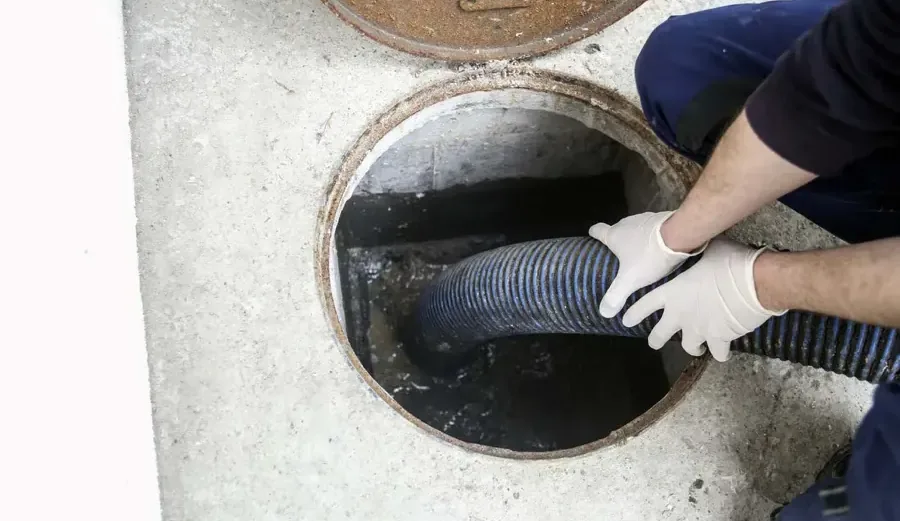
Why the drying plan matters for sewage backup cleanup
Rapid local response
The response team dispatches 24/7 for active sewage backup cleanup. The first priority is stopping additional spread and mapping every wet material.
IICRC S500 drying standard
The drying team sizes extraction, air movement and dehumidification to the water category and class of loss, then verifies the drying goal with readings.
Claim-ready documentation
The claim file can include a moisture map, daily psychrometric logs, category and class notes, and timestamped photos before removal begins.
Stanton water experts
The walkthrough follows water along Beach Boulevard, Katella Avenue and Western Avenue properties without assuming that visible staining marks the full loss.
What to do right now for sewage backup cleanup in South Gate
- Block access: Keep occupants and pets outside the affected rooms, and do not walk through sewage into clean parts of the property.
- Avoid electrical hazards: Do not touch wet devices, outlets, cords, or equipment and do not enter standing water to reach a switch.
- Do not use household fans: Uncontrolled airflow can move contaminated droplets or debris beyond the established cleanup area before surfaces are prepared.
- Record from a safe position: Photograph the visible backup and affected rooms only when that can be done without contact or entry into unsafe conditions.
What does sewage backup cleanup cost in South Gate, CA?
Cost reflects the contaminated area, water depth, affected porous materials, access, required disposal, cleaning detail, and the drying needs of surfaces that remain.
Contained zone
- Sewage mapping
- Water removal
- Drying tests
Extended assemblies
- Material access
- Local machinery
- Progress readings
Complex scope
- Selective removal
- Condition documents
- Sewage coordination
Documentation for your insurance claim
The restoration contractor records the source, category, class, moisture map and daily readings. Sudden and accidental water damage and exterior flooding are treated differently. Coverage depends on the policy, so the property owner should check with the insurer. The water damage cost calculator offers a planning range.
How crews handle sewage backup cleanup in South Gate
Control entry
Identify hazards, establish the affected boundary, protect clean routes, and coordinate safe correction of the backup source.
Extract and remove
Take out contaminated water, debris, and porous materials that cannot be cleaned while documenting the condition and quantities.
Clean remaining surfaces
Reach exposed durable materials, floor edges, fixtures, and opened assemblies with methods suited to their exposure and condition.
Dry and document
Arrange dehumidification, monitor retained materials, and compile photographs, cleaning notes, removal records, and final readings.
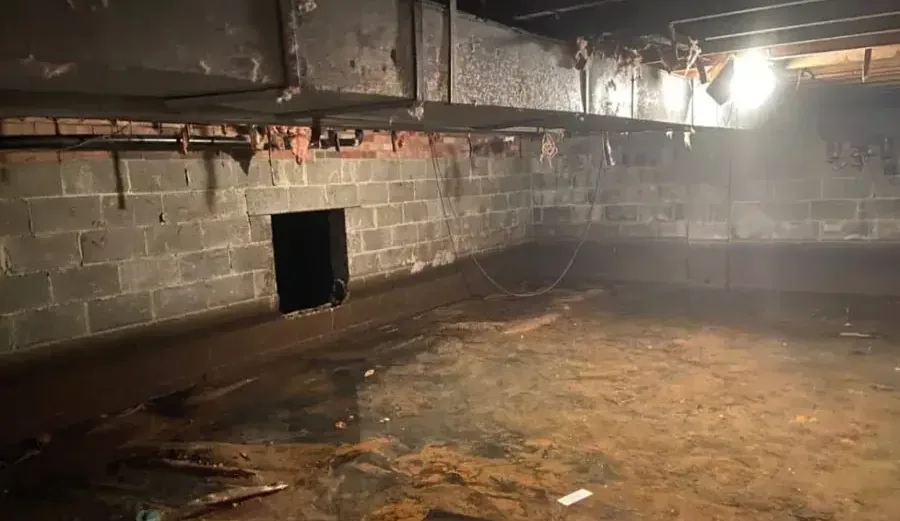
A sewage release near Tweedy Boulevard requires more than removing the liquid. Splash, tracking, absorbent finishes, and contents can expand the contaminated area, so the cleanup boundary starts with how the water moved through the room.
Limit contact before disturbing the area
Occupants should stay away from the backup and avoid operating fans that could move contaminated debris into clean rooms. A safe drain or source intervention comes first. The response team then photographs the condition, establishes controlled access, and plans how waste and affected materials will leave without crossing protected areas.
- Standing sewage water is extracted with contamination controls.
- Traffic paths are defined before tools or bags move through the property.
- Porous belongings are separated according to condition and exposure.
- Adjacent floor and wall edges are inspected for hidden spread.
Material choices depend on cleanability
Sewage can enter carpet cushion, wallboard, insulation, unfinished wood voids, and layered flooring. Porous materials that cannot be safely cleaned are documented and removed under controlled conditions. Durable surfaces may remain when access allows thorough cleaning and their condition supports restoration.
The municipal code restricts solids and grease, oil, tar, or chemicals that can obstruct sewers. That local rule does not identify the cause of a particular backup, so the property still needs source investigation. Once the discharge is controlled, the water extraction process removes accessible liquid, while sewage protocols govern separation and cleaning.
South Gate code also treats inadequate or faulty plumbing tied to a sewer violation as a possible substandard property condition. That provision does not diagnose the current release. It does reinforce the need to preserve source findings and repair information alongside the sanitation record. If a backup affects a shared building, management can use that evidence to coordinate access without treating every nearby room as contaminated.
Keep sewage water isolated and start with safe access.
(888) 563-9619Describe the backup areaCleaning must reach the contacted surfaces
Wiping the center of the floor is not enough when water crossed edges or flowed behind a fixture. The team cleans exposed durable materials, checks junctions and low points, and removes debris before setting the drying arrangement. Areas near Tweedy Mile may involve a storefront or shared commercial surface, while a home near South Gate Gardens may require careful content handling. The use of the building changes logistics, not the sanitation standard.
- Gross debris is removed before detailed surface cleaning.
- Open wall or floor edges allow treatment of reachable affected components.
- Drying equipment is placed after the area is prepared for safe operation.
- Work records identify removed material and surfaces that remained.
Drying and records close the mitigation phase
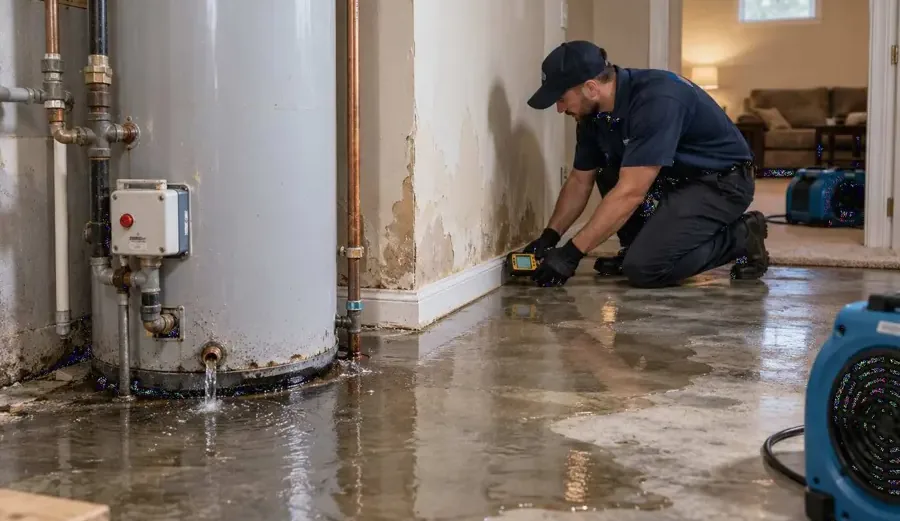
Cleaned assemblies still need moisture control. Dehumidification and directed airflow support materials that can remain, and repeated readings reveal whether concealed sections are improving. The structural drying service describes how those measurements shape equipment changes.
Photographs, source notes, disposal details, cleaning records, and final moisture comparisons help a property owner or manager understand the completed scope. An insurance carrier decides coverage under the policy. The mitigation file provides evidence of what was found and what authorized work occurred.
Act on the readings
The drying team follows mapped material readings, keeps people away from hazards and changes the plan when the daily log shows a stalled area.
Sewage backup cleanup across South Gate and nearby communities
Sewage cleanup serves South Gate properties around Tweedy Mile, South Gate Gardens, and Imperial Highway. The work boundary comes from the actual backup route and contacted materials, not the neighborhood.
The same service nearby: sewage backup cleanup in Stanton, Cudahy, Bell.
Dispatch is available around the clock for active water losses throughout the listed area.
Sewage Backup Cleanup questions in South Gate, CA
Still dealing with it?
Keep sewage water isolated and start with safe access.
(888) 563-9619(888) 563-9619Describe the backup areaIs a small sewage overflow safe to clean without controls?
Size alone does not remove the contamination concern. Even shallow water may contact porous flooring, wall bases, or personal items. Limiting access and assessing the contacted materials helps prevent tracking into clean areas.
Can carpet remain after sewage contact?
Carpet and cushion are porous and difficult to clean fully after sewage exposure. Their condition and the water route must be documented, but contaminated porous floor materials commonly require controlled removal rather than surface treatment.
Why are wall bases opened during some cleanups?
Water can wick into drywall or enter the space behind trim. Limited opening may be needed to remove affected porous material, reach durable framing surfaces, and create drying access when readings confirm hidden moisture.
What happens to belongings in the room?
Items are separated by material, direct contact, and condition. Durable belongings may allow detailed cleaning, while porous items with unsafe exposure may not be restorable. Photographs support decisions before disposal.
When can drying equipment be placed?
The work area should first be controlled, gross contamination removed, and remaining surfaces prepared for cleaning and drying. Equipment placement then follows the moisture load and layout without sending debris toward protected rooms.
Which documents help with an insurance discussion?
Photographs, source information, affected room notes, material removal records, cleaning details, moisture readings, and invoices can describe the response. The carrier applies the policy and determines coverage.
Prevent traffic through contaminated rooms
The cleanup team can control the work zone, remove affected material, clean reachable surfaces, and verify drying with recorded readings.
(888) 563-9619Request a sewage assessment