Structural Drying plus Dehumidification in South Gate, CA
A dry-looking room may still hold moisture inside flooring and walls. Structural drying uses material readings, air conditions and accessible dry comparisons to determine equipment placement and document when retained assemblies reach their goal.
(888) 563-9619Discuss South Gate material drying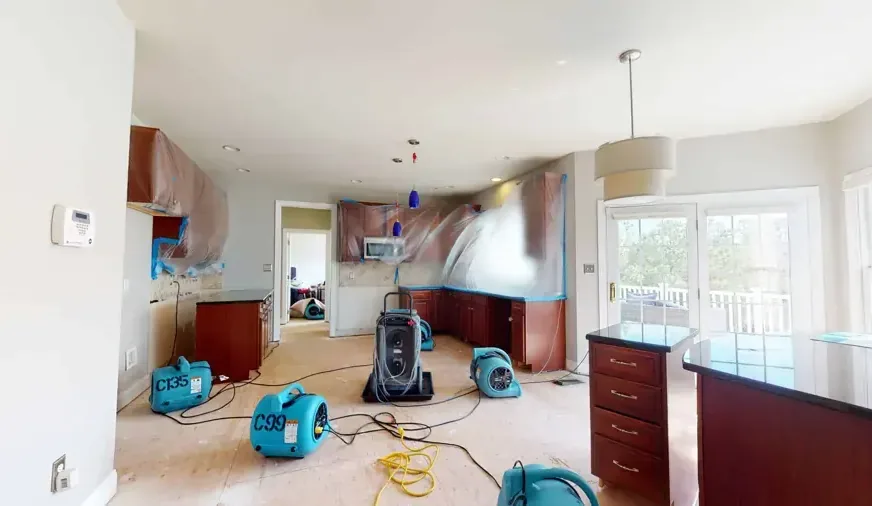
Why the drying plan matters for structural drying and dehumidification
Rapid local response
The response team dispatches 24/7 for active structural drying and dehumidification. The first priority is stopping additional spread and mapping every wet material.
IICRC S500 drying standard
The drying team sizes extraction, air movement and dehumidification to the water category and class of loss, then verifies the drying goal with readings.
Claim-ready documentation
The claim file can include a moisture map, daily psychrometric logs, category and class notes, and timestamped photos before removal begins.
Stanton water experts
The walkthrough follows water along Beach Boulevard, Katella Avenue and Western Avenue properties without assuming that visible staining marks the full loss.
What to do right now for structural drying and dehumidification in South Gate
- Keep equipment settings intact: Occupants should keep equipment settings and placement unchanged unless technicians explain an adjustment or identify an operating problem.
- Report renewed moisture: New dripping, spreading dampness or a fresh water source should be reported promptly because they can alter the drying scope.
- Preserve monitoring access: Marked measurement points and equipment routes should remain clear for repeat material inspections.
- Coordinate room use: The property contact should explain access restrictions or occupancy needs before equipment placement so safe movement and moisture monitoring can be planned together.
What does structural drying and dehumidification cost in South Gate, CA?
Drying costs depend on affected materials, access, equipment requirements and documented progress. The estimate should explain the monitored scope and distinguish moisture control from separate source repair or finish replacement.
Contained zone
- Structural mapping
- Water removal
- Drying tests
Extended assemblies
- Assembly access
- Equipment setup
- Material monitoring
Complex scope
- Selective removal
- Condition documents
- Structural coordination
Documentation for your insurance claim
The restoration contractor records the source, category, class, moisture map and daily readings. Sudden and accidental water damage and exterior flooding are treated differently. Coverage depends on the policy, so the property owner should check with the insurer. The water damage cost calculator offers a planning range.
How crews handle structural drying and dehumidification in South Gate
Define materials and goals
The assessment records the wet assembly and suitable comparison locations, establishing the drying plan after source control and extraction.
Arrange airflow and humidity control
Equipment serves accessible wet surfaces while allowing safe routes and continued measurement, with any enclosed section identified for further inspection or access decisions.
Compare repeat observations
Monitoring connects material readings with air conditions and documented locations, allowing the team to investigate slow sections and adjust the setup when results justify a change.
Explain the final condition
Completion records show which retained materials met the drying goal and identify limitations or separate repair needs before equipment removal and finish work.
Structural drying begins with a question about materials, not a count of machines. Which assemblies absorbed water, how deeply did it travel and what access is available to remove that moisture? A property can look better after extraction while wall bottoms, flooring layers or framing remain wet. The drying plan must account for that difference between visible improvement and the condition inside an assembly.
Establish a useful starting record
The technician identifies wet locations and records the material at each point. Suitable unaffected areas provide comparisons where available. Air temperature and humidity readings add context, but room air alone does not describe the moisture inside a wall or subfloor. The initial record should make later readings comparable rather than leaving their location uncertain.
Near Tweedy Mile, the plan may also need to account for occupied business or residential space. Equipment routes, access for monitoring and protected dry areas should be discussed before placement. That practical arrangement helps the work continue without allowing ordinary activity to hide or interrupt a damp section that still needs attention.
Prepare materials for effective drying
Standing water needs removal before the evaporation load is managed. Contaminated or unsuitable materials may need cleaning or removal, and enclosed layers may require access. The standing water extraction service handles the bulk-water stage. Drying equipment then addresses the retained assembly rather than being expected to compensate for trapped water or an active source.
- Mark the wet perimeter and the material at each test point.
- Document access openings and any layer that cannot be inspected.
- Keep equipment positioned to serve the affected surfaces.
- Record changes when the layout or source conditions change.
Material readings explain the work that remains after extraction.
(888) 563-9619Discuss the wet assemblyUse progress to refine equipment placement
Air movers encourage evaporation from accessible materials, while dehumidification removes moisture from the air. Their arrangement depends on room shape, material exposure and the remaining wet load. A setup that works for an open floor may not reach a closed wall bay. The team checks whether the intended materials are responding and adjusts equipment or access when the record shows a limitation.
A property near South Gate Gardens requires its own material assessment. A neighborhood name cannot establish the floor layers or wall construction. A slow reading should prompt a closer look at that location, not an assumption that every room simply needs the same additional equipment time.
Make the final readings understandable
Completion notes should connect the drying goal with the materials retained in place. A wall surface, timber member and layered floor can respond differently, so the record should avoid treating a single convenient measurement as the condition of the entire room. Where access remains limited, that limitation belongs in the handoff.
For property contacts coordinating work around Imperial Highway, the local restoration overview connects other repair-related water services. The drying record helps separate completed moisture control from reconstruction that follows. It should identify removed equipment, final inspection areas and any outstanding source or finish repair before normal use or replacement materials conceal the work.
Act on the readings
The drying team follows mapped material readings, keeps people away from hazards and changes the plan when the daily log shows a stalled area.
Structural drying and dehumidification across South Gate and nearby communities
Structural drying serves South Gate buildings near Tweedy Mile, South Gate Gardens and Imperial Highway. The material assembly, observed moisture and available access determine equipment placement and monitoring at each affected property.
The same service nearby: structural drying and dehumidification in Stanton, Cudahy, Bell.
Dispatch is available around the clock for active water losses throughout the listed area.
Related water damage services in South Gate
Structural Drying and Dehumidification questions in South Gate, CA
Still dealing with it?
Material readings explain the work that remains after extraction.
(888) 563-9619(888) 563-9619Discuss the wet assemblyDoes a dry surface mean equipment can leave?
Not by itself. Concealed layers may retain moisture after the finish looks normal. The completion decision should connect material readings with the established drying goal and suitable comparisons.
Why record air conditions as well as materials?
Air readings describe the drying environment, while material measurements track the assembly. Together they help explain progress and identify when equipment or access may need adjustment.
Can more machines always shorten drying?
Equipment must suit the wet materials and available access. Additional units cannot resolve an active leak or prove that an enclosed layer is drying when it remains unassessed.
What if one area stays wet?
The technician examines possible trapped layers, airflow limitations or continued entry. The record should explain that investigation and any change made to the drying arrangement.
Can occupants move air movers for convenience?
Movement can change the intended airflow. The property contact should discuss access needs with the team so adjustments preserve safe passage and the planned treatment of wet surfaces.
What should a drying report show?
It should identify locations, materials, progress readings and the basis for completion. Inaccessible areas and separate source or finish repairs should remain visible in the final handoff.
Arrange a material drying assessment
The team can map retained moisture, plan equipment around accessible surfaces and document progress toward a defined drying goal before finish repairs begin.
(888) 563-9619Ask about the drying measurements