Water Extraction in South Gate, CA
Puddled water can disappear from view while remaining beneath floor edges and inside wall bases, so extraction begins with both removal and a mapped inspection.
(888) 563-9619Arrange water removal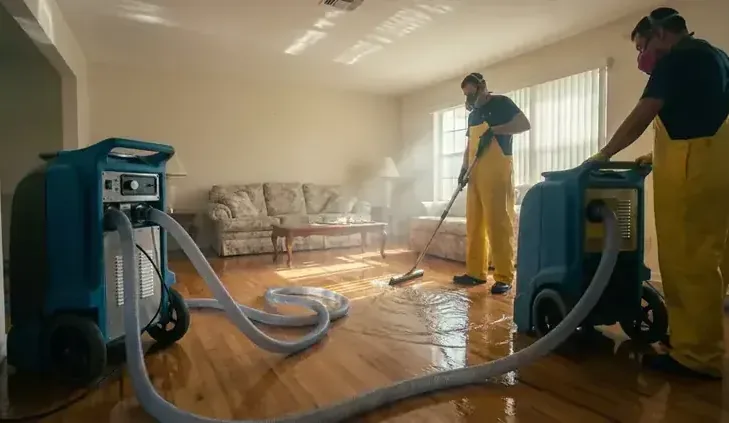
Why the drying plan matters for water extraction and removal
Rapid local response
The response team dispatches 24/7 for active water extraction and removal. The first priority is stopping additional spread and mapping every wet material.
IICRC S500 drying standard
The drying team sizes extraction, air movement and dehumidification to the water category and class of loss, then verifies the drying goal with readings.
Claim-ready documentation
The claim file can include a moisture map, daily psychrometric logs, category and class notes, and timestamped photos before removal begins.
Stanton water experts
The walkthrough follows water along Beach Boulevard, Katella Avenue and Western Avenue properties without assuming that visible staining marks the full loss.
What to do right now for water extraction and removal in South Gate
- Stay out of unsafe areas: Avoid wet electrical components, sagging ceilings, sewage, and slippery surfaces until the immediate hazards are assessed.
- Stop the source when safe: Close an accessible valve or switch off the contributing appliance without entering water or disturbing damaged wiring.
- Capture the visible condition: Photograph standing water, the likely source, floor edges, wall bases, and affected belongings before cleanup changes the scene.
- Keep dry contents protected: Move unaffected items away from the wet boundary while leaving access for extraction and moisture inspection.
What does water extraction and removal cost in South Gate, CA?
Cost depends on water depth, affected area, contamination, finish layers, access, and the drying work that follows. The property inspection establishes the appropriate authorized scope.
Contained zone
- Extraction mapping
- Water removal
- Drying surveys
Extended assemblies
- Material reach
- Local machinery
- Progress checks
Complex scope
- Selective removal
- Condition notes
- Extraction coordination
Documentation for your insurance claim
The restoration contractor records the source, category, class, moisture map and daily readings. Sudden and accidental water damage and exterior flooding are treated differently. Coverage depends on the policy, so the property owner should check with the insurer. The water damage cost calculator offers a planning range.
How crews handle water extraction and removal in South Gate
Survey the path
Inspect the origin, visible water, adjoining rooms, and absorbent materials to establish a working moisture boundary.
Remove bulk water
Use extraction tools suited to the floor, edges, and accessible low points without spreading debris into dry areas.
Set the drying plan
Place air movement and dehumidification around measured wet materials, then protect walking routes and unaffected rooms.
Verify the result
Repeat readings at marked locations and compare them with suitable dry materials before the equipment setup is cleared.
A room near Tweedy Mile may show one shallow puddle while connected flooring has already carried water beneath a cabinet or threshold. The extraction crew starts where water is visible, then checks the perimeter so the work does not stop at an incomplete boundary.
Extraction starts with the route water took
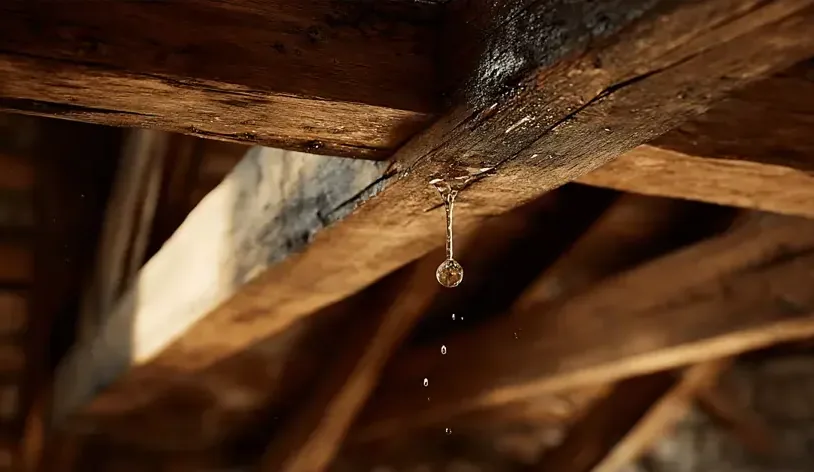
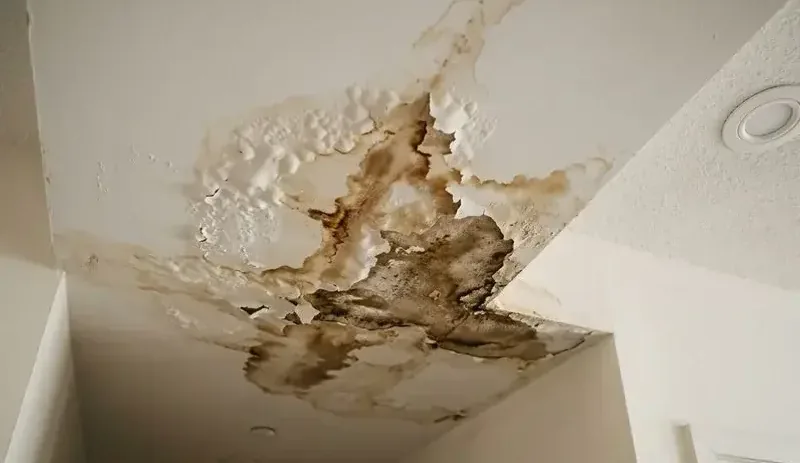
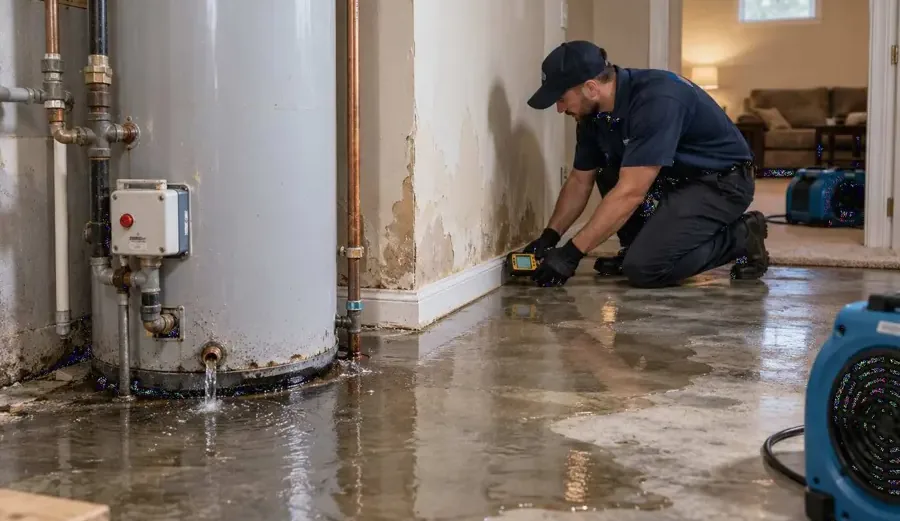
Source control comes before dependable drying. Once an active leak is stopped, technicians examine the origin, the direction of flow, and materials that absorbed water. Hard surfaces can shed water quickly, while seams, carpet cushion, wallboard, and wood components may hold it beyond the visible edge.
- Standing water is removed with equipment suited to the depth and surface.
- Floor edges and wall bases are checked for water that migrated out of view.
- Furniture and dry contents are moved only when that protects access and prevents transfer.
- Photographs and initial readings establish the starting condition.
Different rooms need different removal choices
Open floor areas along Imperial Highway offer a different working layout than a furnished home near South Gate Gardens. The crew considers electrical safety, occupancy, finish type, contamination, and access before choosing tools. Water beneath a floating floor may need controlled access rather than repeated surface passes. A wet cabinet base may require toe kick access so trapped moisture can escape.
When a drain backup is involved, ordinary extraction is only part of the response. Containment, material removal, and sanitation become central. The sewage cleanup service explains those added controls. For clean water that has reached several assemblies, structural drying follows the remaining moisture after bulk removal.
Begin with a careful water path assessment.
(888) 563-9619Describe the affected roomsDrying follows the extraction work
Extraction reduces the amount of water that must evaporate. Air movers and dehumidifiers can then address moisture held in materials, but their placement depends on readings rather than symmetry. The team marks monitoring locations, records how conditions change, and adjusts the setup when one area improves faster than another.
- Dry reference materials provide a practical comparison for affected surfaces.
- Slower sections receive renewed inspection for hidden layers or blocked airflow.
- Equipment remains clear of safe walking paths and protected areas where possible.
- Final readings document the condition when drying goals are reached.
The crew also records the water removed and the sections that stayed outside the wet boundary. That distinction keeps dehumidification focused and gives later readings a reliable starting point after the floor no longer appears wet.
Records explain the completed scope
Photos of the source area, the water path, affected belongings, and opened materials give context to measurements. Those records help a property owner, manager, or carrier understand why extraction covered certain rooms and why some finishes stayed while others required removal. The main water damage service provides an overview of related leak, roof, appliance, and commercial responses.
Properties near the Los Angeles River still require a site specific inspection. The inspection identifies the current water source, while official parcel mapping addresses property flood status. Current conditions inside the structure define the removal and drying scope.
Act on the readings
The drying team follows mapped material readings, keeps people away from hazards and changes the plan when the daily log shows a stalled area.
Water extraction and removal across South Gate and nearby communities
Water extraction is available across South Gate, including properties around Tweedy Mile, Imperial Highway, and the Los Angeles River. Every scope remains based on the source and measured conditions inside the building.
The same service nearby: water extraction and removal in Stanton, Cudahy, Bell.
Dispatch is available around the clock for active water losses throughout the listed area.
Water Extraction and Removal questions in South Gate, CA
Still dealing with it?
Begin with a careful water path assessment.
(888) 563-9619(888) 563-9619Describe the affected roomsIs surface vacuuming enough after a large spill?
Not always. Water can remain beneath floor edges, inside carpet cushion, behind baseboards, or under cabinets after the visible puddle is gone. Moisture readings show whether extraction and drying must extend beyond the open surface.
What happens before extraction equipment starts?
The team checks immediate hazards, confirms that the source is controlled, photographs the affected area, and identifies where water may have traveled. That survey guides equipment choice and keeps the initial work focused.
Can flooring remain after it gets wet?
Material type, contamination, attachment, condition, and access determine the answer. Some sound flooring can dry in place, while trapped water or unsafe exposure may require controlled lifting or removal for cleaning and drying.
Why are adjoining rooms inspected?
Water can cross a threshold or follow a continuous layer without leaving an obvious surface mark. Comparing nearby rooms helps locate the actual edge and prevents a dry looking section from being overlooked.
How is completion documented?
Technicians revisit marked measurement points and compare affected materials with appropriate dry references. Photographs, reading logs, and notes about removed or cleaned materials show how the condition changed through the work.
Should an insurance carrier be contacted?
The property owner can report the loss and ask what documentation the policy requires. The carrier decides coverage. Source notes, photographs, measurements, invoices, and authorized scope details can support that discussion.
Keep people away from wet electrical areas
The extraction crew can remove accessible water, check surrounding materials, and build the next drying steps from recorded conditions.
(888) 563-9619Request an extraction assessment